
Last updated November 15, 2026
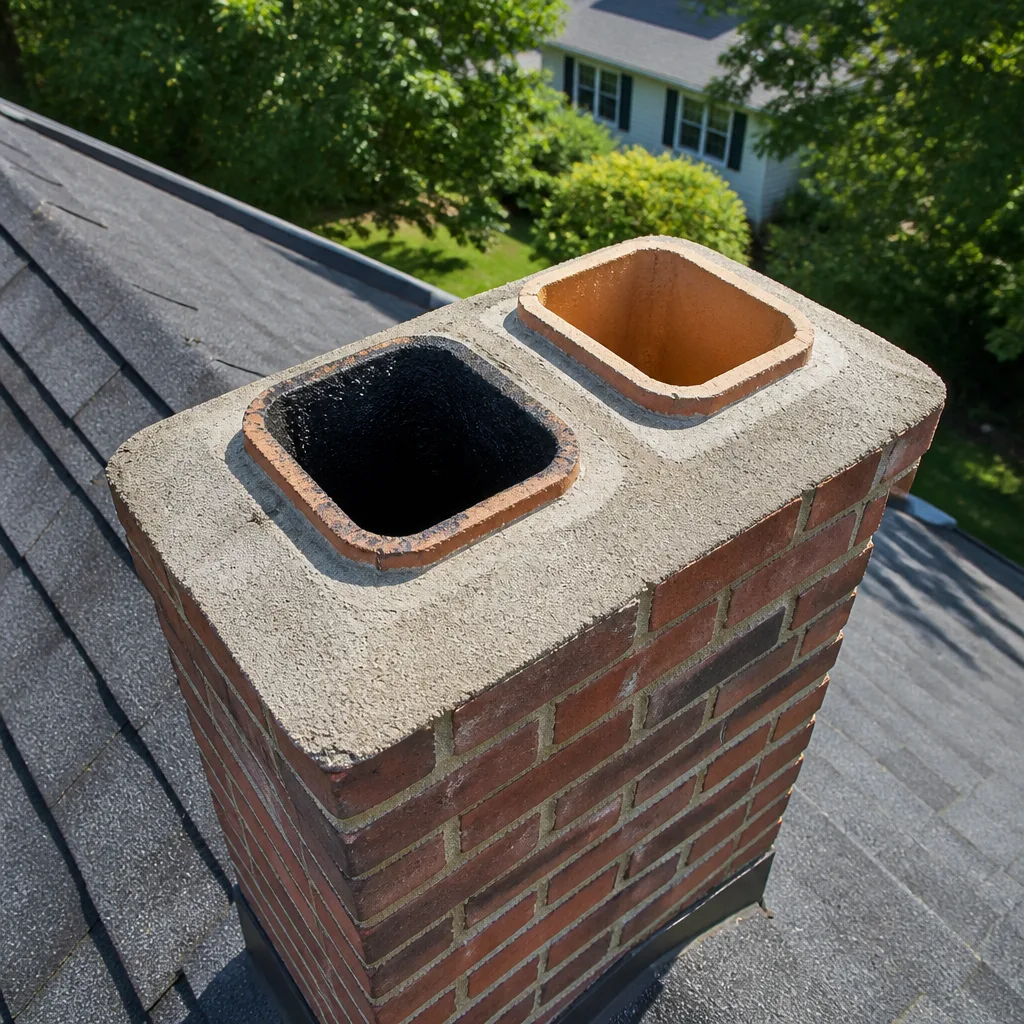 Sweep & inspection
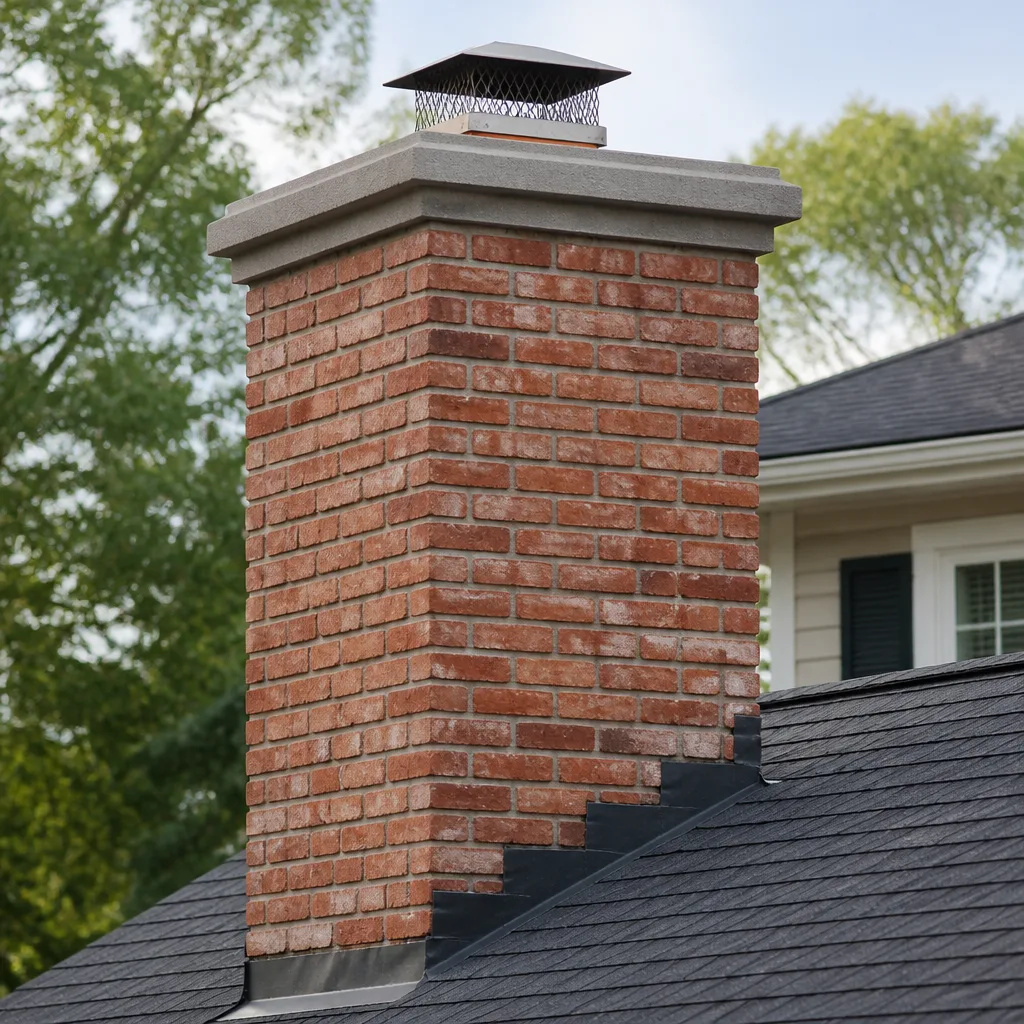 Caps & crowns
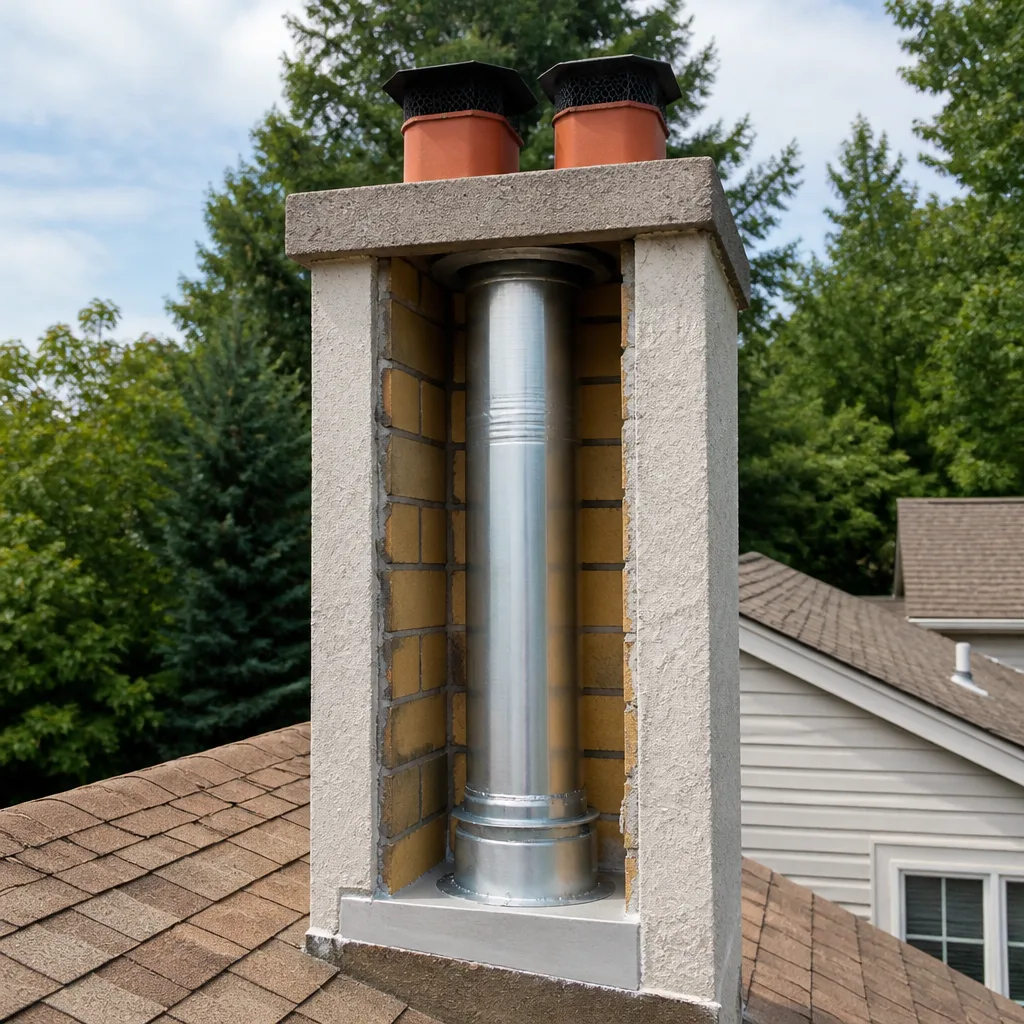 Flue relining
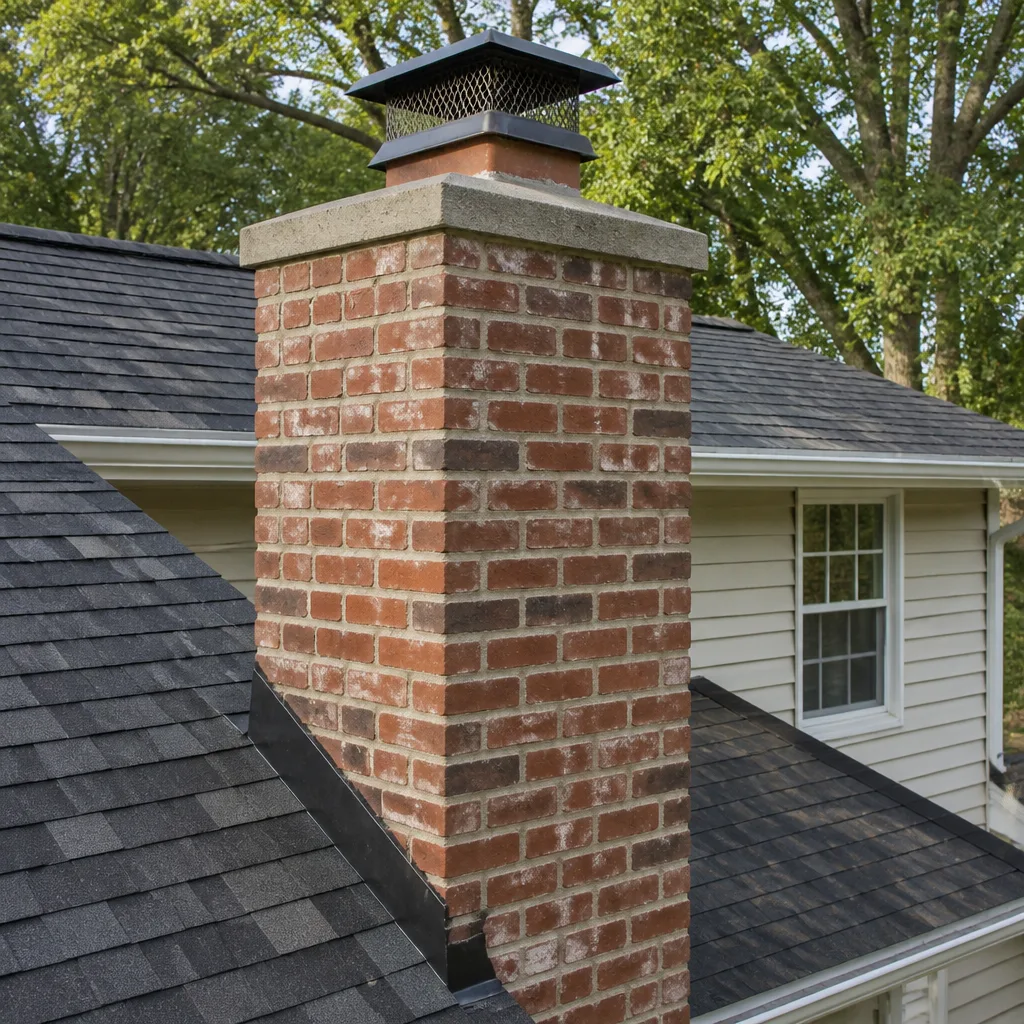 Masonry repair
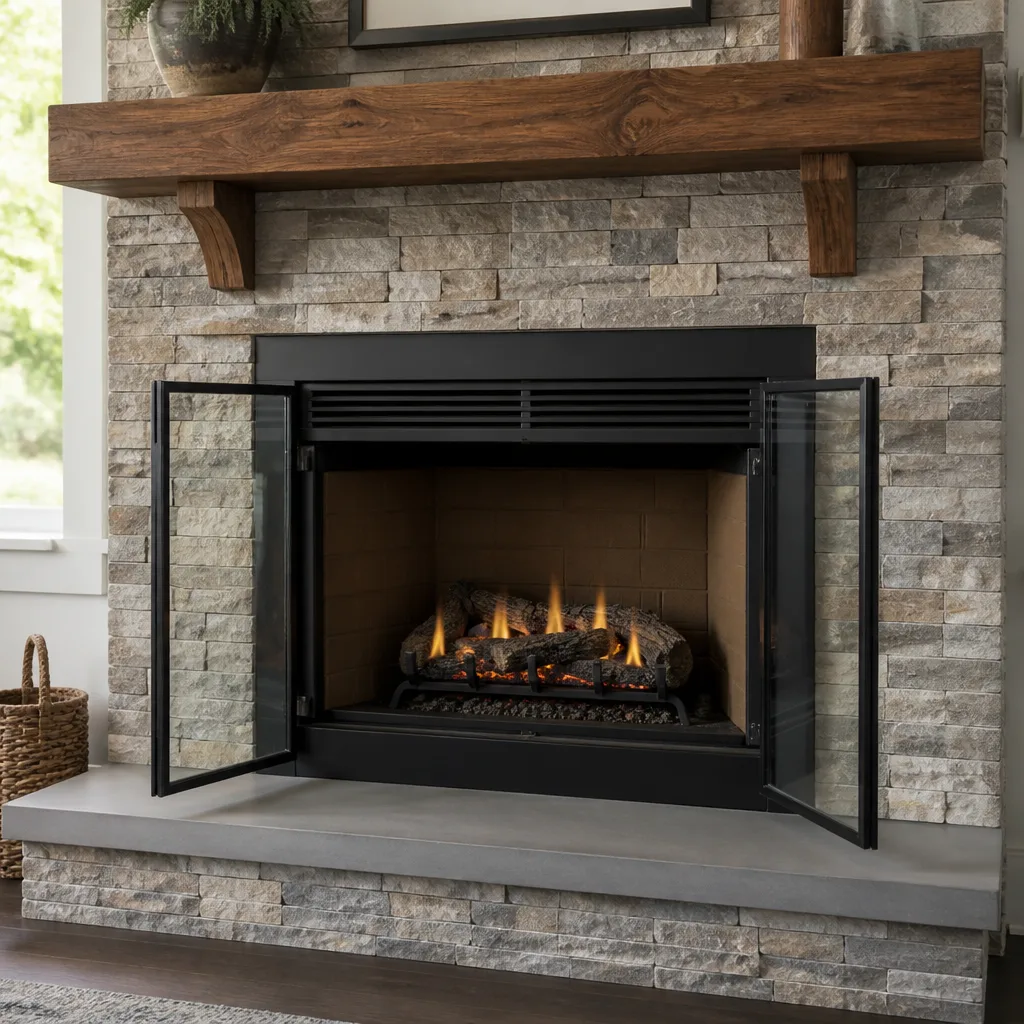 Gas fireplace service
Level 1 sweep and inspection to the NFPA 211 annual standard - flue, crown, cap, and flashing checked and photographed
Chimney sweep logs do not sweep chimneys. They loosen some creosote - which then falls where a brush and vacuum still have to collect it.
The Complete Guide to Chimney Cleaning in Fishers
Here’s the part most homeowners never hear: a chimney can look clean from the firebox and still be dangerous. Creosote builds in layers up the flue, and a sweep that skips the inspection can leave glaze, cracks, or a blocked cap untouched. Cleaning without a proper inspection is how chimneys get labeled “recently cleaned” and still cause trouble. This guide walks through what chimney cleaning in Fishers actually involves, from the three inspection levels to what creosote stages look like to the report you should walk away with. You’ll finish knowing exactly what a legitimate sweep does and what to ask for before anyone starts.
Quick Answer
Chimney cleaning in Fishers is a diagnostic process, not just a scrub. A proper sweep starts with an inspection to identify creosote stage and structural condition, cleans based on what that inspection finds, and finishes with a written report, photos, and clear next-step recommendations. Cleaning done without inspection is only half the job, and it’s the half that misses problems.
Styles & brands we work with
- Sweep & inspection
- Caps & crowns
- Flue relining
- Masonry repair
- Gas fireplace service
Table of Contents
- What Are Level 1, Level 2, and Level 3 Chimney Inspections?
- What Do the Three Creosote Stages Look Like?
- How Does Fishers’ Heating Season Drive Creosote Buildup?
- Step by Step: What a Proper Sweep Actually Does
- What Should a Chimney Cleaning Report Include?
- How to Read a Cleaning Report and Spot Red Flags
- When Should You Schedule a Chimney Cleaning in Fishers?
- How Much Does Chimney Cleaning Cost in Fishers?
What Are Level 1, Level 2, and Level 3 Chimney Inspections?
Chimney inspections come in three defined levels, and knowing which one applies is the difference between a useful cleaning and a missed problem. Level 1 is a visual check of the readily accessible portions: firebox, damper, flue interior as far as you can see, and the exterior parts you can reach without tools. Level 2 goes further, using a camera to inspect the full interior of the flue, and it’s the standard whenever the appliance changes, a property changes hands, or there’s been a chimney fire or a seismic event. Level 3 is invasive and rare, involving opening walls or removing parts of the chimney to reach areas a camera can’t.
For cleaning, the two levels that matter most are 1 and 2. Before cleaning, a Level 1 inspection confirms the flue is safe to sweep and identifies obvious issues. A Level 2 camera inspection is the right call any time there’s a change in how the chimney is used, a new appliance, a new home purchase, or a previous fire. After cleaning, a Level 2 gives you a documented look at conditions a broom alone can’t assess.
Which inspection applies to your cleaning?
- Routine annual cleaning, same appliance, no history of problems: Level 1 before and after is usually enough.
- New home, new appliance, or uncertain history: Level 2 before cleaning so the sweep can see what it’s dealing with.
- Suspected damage, blocked flue, or a past fire: Level 2 at minimum, and Level 3 in rare cases.
Most Fishers homes we inspect land between Level 1 and Level 2, and the deciding factors are chimney history and whether the property recently changed hands. When in doubt, the higher level is the safer answer.
What Do the Three Creosote Stages Look Like?
Creosote isn’t one thing. It forms in three progressively more dangerous stages, and each one changes the method used to clean it and the cost. Stage 1 is a fluffy, soot-like deposit that brushes off with standard sweeping. Stage 2 is a harder, flaky, or tar-like layer that brushes off but takes more effort and specialized tools. Stage 3 is glazed creosote, a hard, shiny, almost ceramic coating that a standard brush won’t touch, and it usually requires chemical treatment before cleaning or a professional resurfacing of the flue.
What each stage requires
- Stage 1: Standard brush sweep. Slowest-and-steadiest, no special treatment needed.
- Stage 2: More aggressive brushing with appropriate tooling. Still standard equipment, just more time on the job.
- Stage 3: Chemical treatment to break down the glazed layer, then cleaning, and often resurfacing. This is the stage where skipping treatment or “just sweeping” leaves the hazard in place.
Why does this matter? A Stage 3 flue that gets swept like Stage 1 comes back “cleaned” but no safer. That’s one of the biggest reasons a chimney can be labeled recently cleaned and still fail inspection. The stage determines the method, and the method determines whether the job actually did what it was supposed to do. When we find glazed creosote in a Fishers chimney, we explain the stage in plain terms so the homeowner understands why the cleaning approach changes.
How Does Fishers’ Heating Season Drive Creosote Buildup?
Fishers sits in a part of central Indiana where winter means a real, sustained heating season, sometimes stretching from October into April, with cold stretches where a fire is likely to burn almost continuously. That pattern produces a specific kind of accumulation. Long, steady burns with cooler flue gases tend to leave thicker, wetter deposits, the kind that climbs the flue faster than short, hot burns in milder climates. Transitions, like the shoulder seasons when people burn intermittently, also produce the pockets of Stage 1 and Stage 2 buildup that are easiest to clean if they’re addressed before they harden.
In practice, this means a Fishers chimney that burns through a full winter typically hits cleaning time once per season, and a homeowner who taps the fireplace only occasionally can still accumulate meaningful buildup across multiple seasons. If your fireplace goes from dormant to heavy use when the first cold snap hits, the creosote doesn’t care about your schedule.
Local factors worth knowing
- Extended cold periods encourage longer, slower burns and richer creosote deposits.
- Homes that burn a mix of hardwoods and softwoods see faster accumulation than single-fuel homes.
- A chimney that sits unused for several seasons may have dried and hardened deposits that require more than a routine sweep.
Understanding the season explains why the timing of a chimney sweep in Fishers matters. Late summer and early fall are the natural bookends to the burn season, but buildup is cumulative, so the schedule that fits your home’s history is the one worth keeping.
Step by Step: What a Proper Sweep Actually Does
A proper sweep follows a sequence, and knowing it lets you spot a shortcut. The best sweepers protect the home first, inspect before they clean, and document after. Here’s the typical sequence a thorough sweep follows.
- Protect the space. Drop cloths and a floor covering go down before any tool comes out. A chimney sweep should leave your fireplace area as clean as it found it.
- Level 1 inspection. A visual check of the firebox, damper, smoke chamber, flue, and any accessible exterior components. If the inspection reveals conditions that warrant a Level 2, the sweep should say so before proceeding.
- Determine creosote stage. The sweep identifies the deposit type and selects the right tools for it. Stage 3 requires a different plan than Stage 1.
- Clean with the right equipment. Rods, brushes sized to the flue, and where needed, chemical treatment or camera-assisted tooling.
- Clear obstructions. Bird nests, leaves, and the occasional debris in the flue get removed, and the cap and chase cover are checked.
- Post-cleaning inspection. A second look at the flue confirms the deposit is gone and surfaces are intact.
- Deliver the written report. Findings, photos, and next-step recommendations in writing, including what can safely wait.
That last step is the one that separates a good sweep from a basic one. If the sweep leaves without photos or a written summary, you don’t have documentation, and you have no way to verify what you were told. Documentation matters as much as the cleaning itself. It’s also what sets up chimney repair work down the line, if it’s needed.
What Should a Chimney Cleaning Report Include?
A complete cleaning report covers six things: inspection level performed, creosote stage found, cleaning method used, the condition of the firebox, damper, smoke chamber, and flue, any issues that need attention, and photos of the flue interior and any problem areas. It’s the difference between “the chimney is fine” and a document you can hold onto and reference next season.
The minimum a sweep should deliver
- Inspection level noted (1, 2, or 3) and why that level was chosen.
- Creosote stage identified so you know the deposit type and cleanup difficulty.
- Photographs of the flue, taken both before and after cleaning, particularly of any problem areas.
- Written findings on the condition of the flue liner, damper, cap, and crown.
- Recommendations that separate “should be addressed now” from “watch this next season.”
- Contact information so you can follow up.
When we deliver a Fishers cleaning report, the goal is that you can read it without a chimney glossary in hand. If any part of it isn’t clear, ask. A report you don’t understand isn’t much better than no report at all. And no recommendation should ever sound like a sales pitch; the photos should show you exactly what the sweep saw.
How to Read a Cleaning Report and Spot Red Flags
The single biggest red flag in a cleaning report is a recommendation with no photo behind it. If the report says the liner is deteriorating, you should see the photo. If it says a repair is urgent, you should see the damage the recommendation is based on. Reports that skip photos, gloss over creosote stage, or use vague language like “the chimney needs work” are hard to verify and worth questioning.
Red flags to watch for
- No inspection level listed. Which level was performed should always be in the report.
- No photos of the flue interior. Camera evidence is the whole point of a Level 2 inspection.
- Recommendations without context. “Needs a new liner” without a photo or a measured finding is a red flag.
- Urgency without a visible reason. Repairs can be urgent, but the reason should be visible.
- No distinction between “now” and “later.” Some issues genuinely wait. A trustworthy report tells you which.
The best filter is simple: nothing is recommended unless you can see for yourself, on the photos, what the recommendation is based on. When that’s in place, you don’t have to take anyone’s word for it, and you know which findings can safely wait until next year and which can’t. That level of transparency is what makes a report useful instead of a sales tool.
When Should You Schedule a Chimney Cleaning in Fishers?
For most homes, chimney cleaning belongs on a yearly timeline, timed for the end of the burn season or right before the next one. Given central Indiana’s cold stretch, late summer and early fall are the natural booking windows because the chimney is idle and only a few months separate you from the fireplace’s first real use. If your wood-burning habits are lighter, or your appliance is gas, the schedule can stretch a bit, but not indefinitely.
When to call sooner
- The last cleaning was more than a year ago and the fireplace sees regular use.
- You’ve just bought or moved into a Fishers home and don’t know the chimney’s history.
- Your burn produces noticeably more smoke or a draft that’s weaker than it used to be.
- There’s been a chimney fire, even a small one, or a strong smell of creosote in the house.
- You’ve added or replaced a fireplace, stove, or insert.
When in doubt, get it inspected. An inspection is the low-cost way to learn whether a cleaning is even needed and what level of cleaning is appropriate. Because the season runs long here, an August inspection can save you a scramble in October. To schedule, call us at (844) 761-5757. We answer 24/7, and dispatch runs 7am to 7pm, Sunday through Friday.
How Much Does Chimney Cleaning Cost in Fishers?
Chimney cleaning is priced per job based on what the inspection finds. The written estimate sets the final price, and the cleaning method is set by the creosote stage and the inspection level appropriate to your home. The ranges below are typical for the Fishers market, not exact quotes.
- Standard sweep (Level 1 inspection and typical Stage 1 or light Stage 2 cleaning): typically the base-service tier.
- Deeper cleaning of Stage 2 deposits: more time and equipment, higher than a base sweep.
- Level 2 camera inspection: additional over a standard visual check.
- Stage 3 glazed creosote treatment: more involved handling, including chemical treatment and often resurfacing, priced higher than a routine sweep.
- Repairs or liner work: quoted separately based on what the inspection documents.
A written estimate should always break out what’s included before work starts. If a quote doesn’t tell you the inspection level or the creosote stage it’s based on, ask. That information is what separates a meaningful estimate from a guess. Call (844) 761-5757 for an exact quote. Estimates are free. If you need to call outside the usual hours, we still answer. A call outside dispatch hours is booked into the next opening, Sunday through Friday, 7am to 7pm.
Common Mistakes to Avoid
- Hiring a sweep who skips the inspection. Cleaning without inspection misses creosote stage and structural issues. The inspection is what tells the sweep what’s actually in the flue.
- Accepting “the chimney is clean” with no documentation. Ask for photos. No photos, no verification, and you can’t track the chimney’s condition from year to year.
- Treating a Stage 3 flue as a routine sweep. Glazed creosote behaves differently than fluffy deposits and requires a different method. Sweeping it like Stage 1 leaves the hazard untouched.
- Skipping annual inspection because “the fire burns fine.” A weak draft or a slow smoky burn is often the sign of buildup you can’t see. A good fire doesn’t confirm a clean flue; only an inspection does.
- Booking a cleaning without asking which brands and materials will be used for repairs. In Fishers, the repair-and-resurfacing side of the work involves professional-grade product lines like HeatShield and DuraFlex. Ask which brands a company works with before any liner discussions come up.
- Waiting until after the first cold snap to call. Fishers burn season is long, but it starts when the weather turns, and the phone lines fill up. Booking before the first fire is easier than scrambling after one.
- Associating a cheaper quote with a better deal. A lower price can mean less time on the job, a skipped inspection, or a rushed cleaning. The question to ask is what’s included, not just what’s on the invoice.
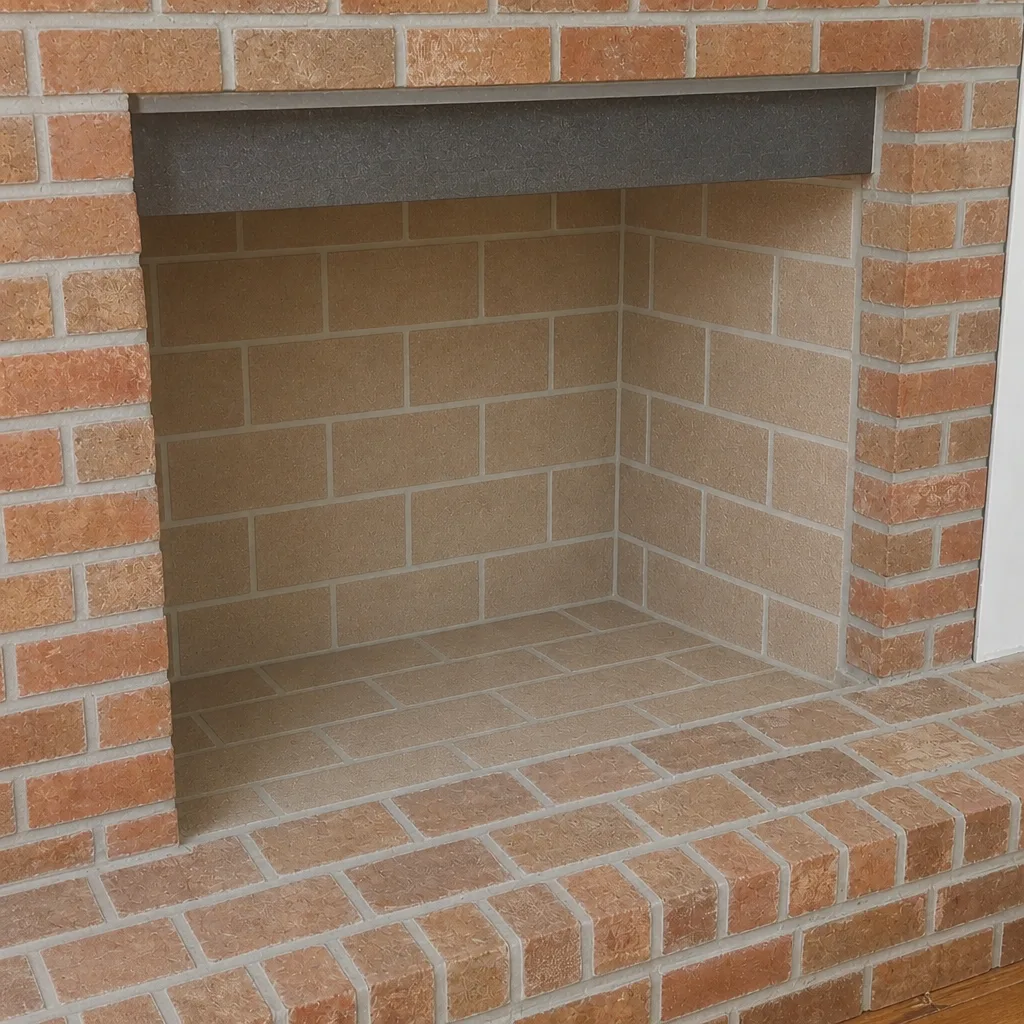
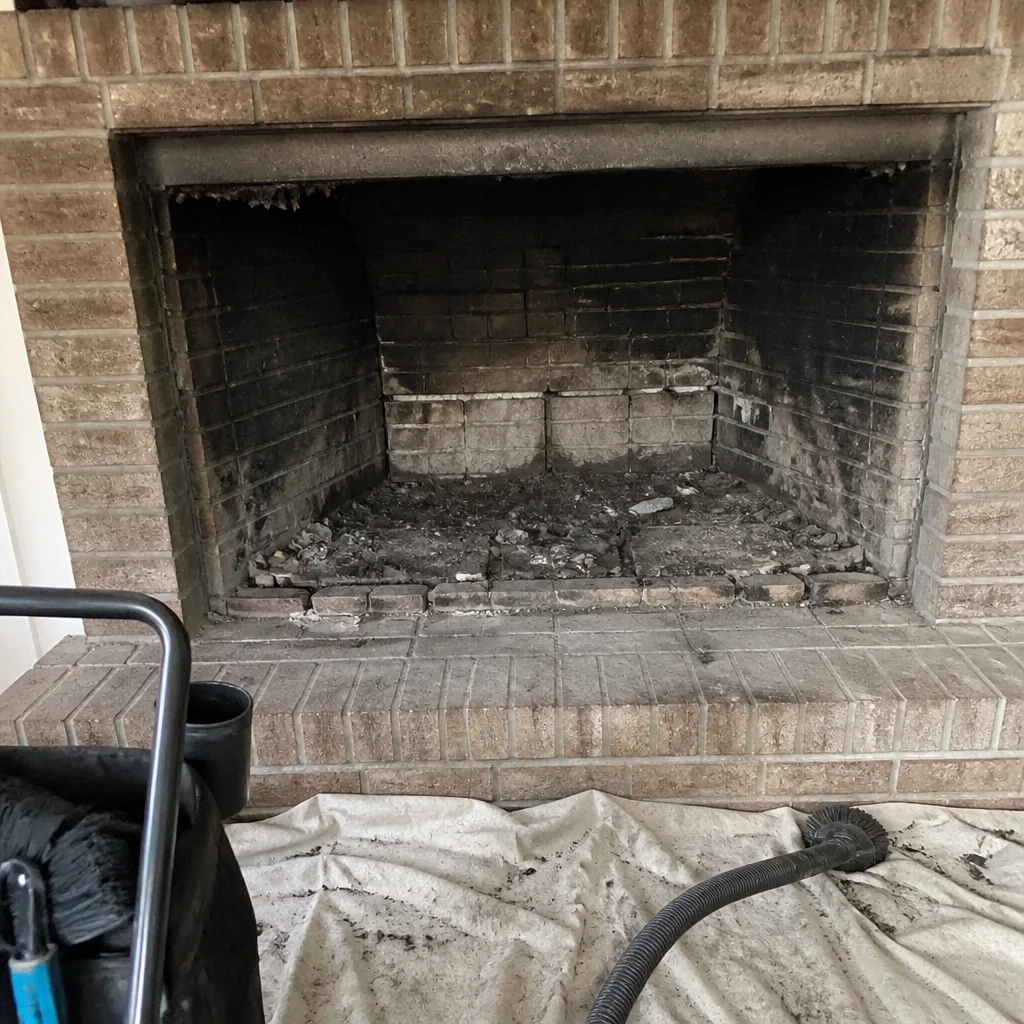
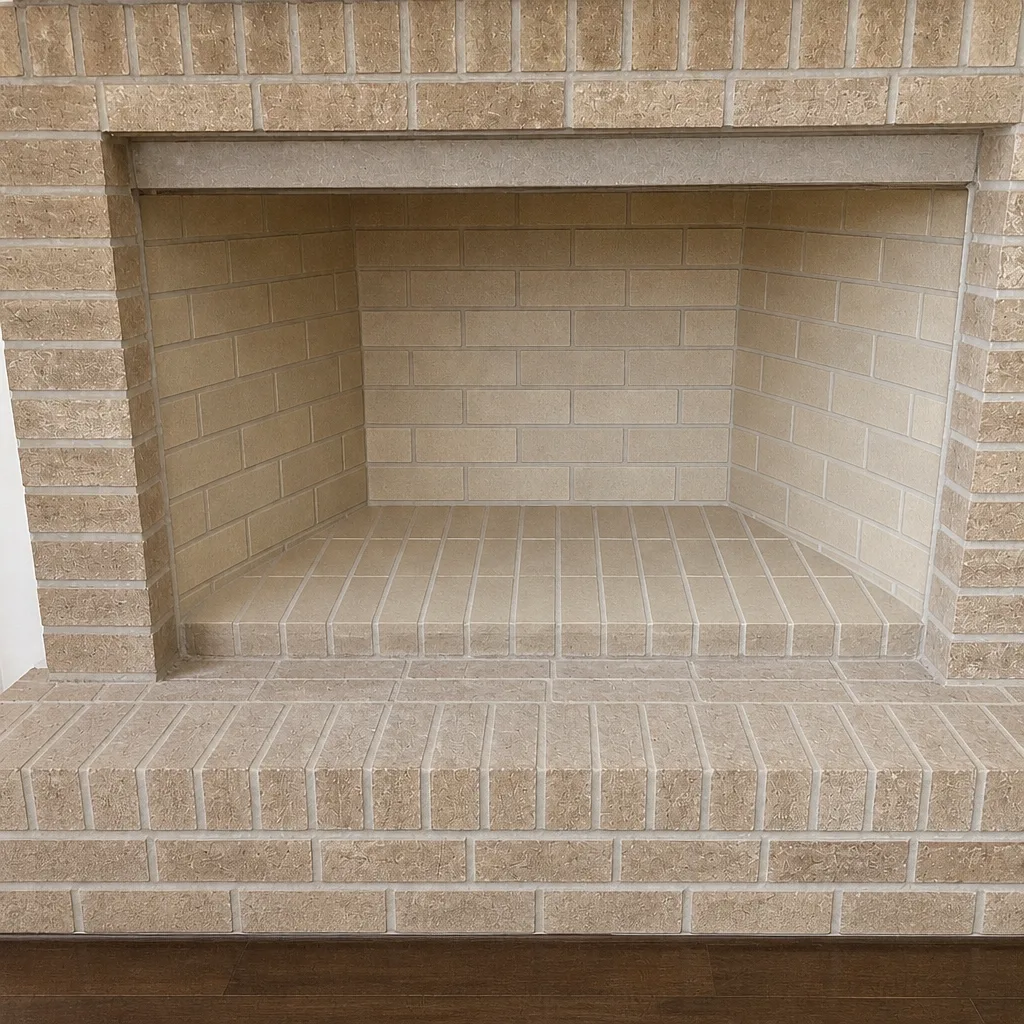
See the difference
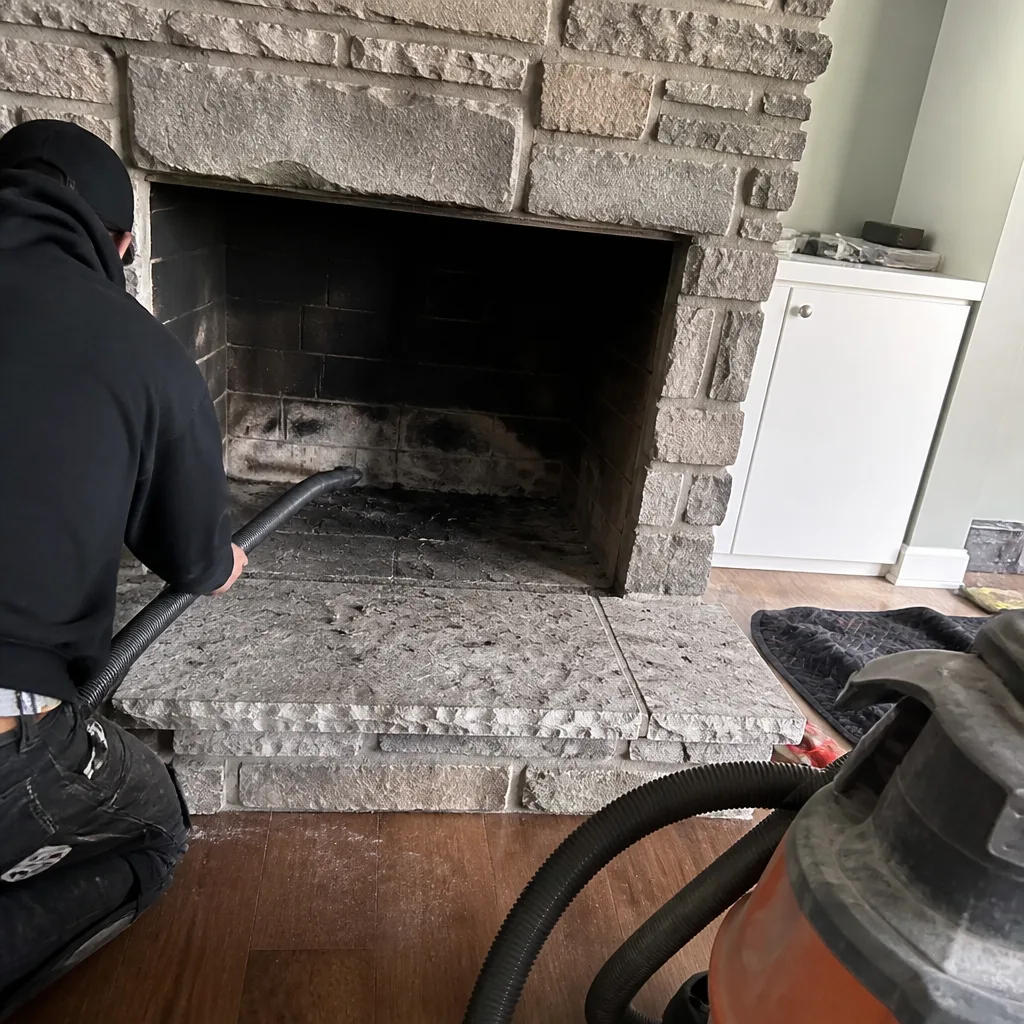 Before
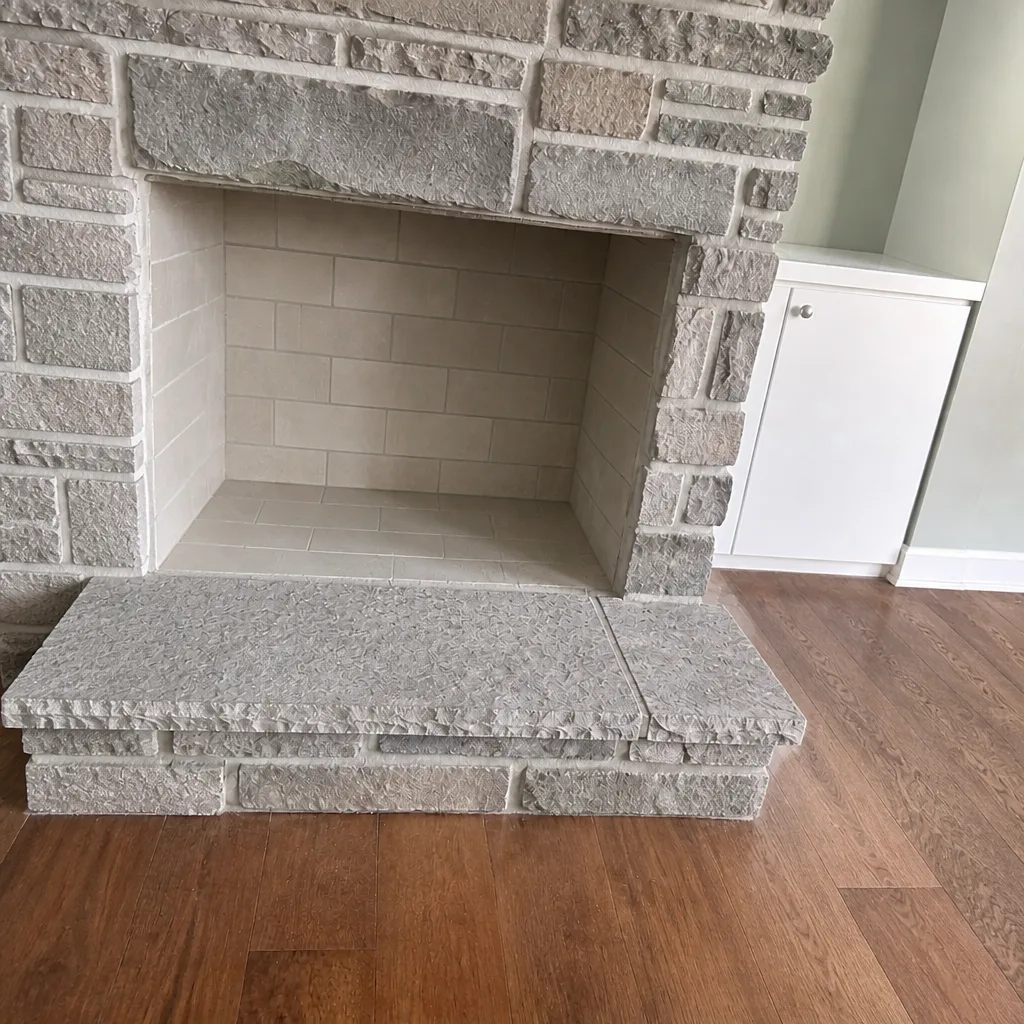 After
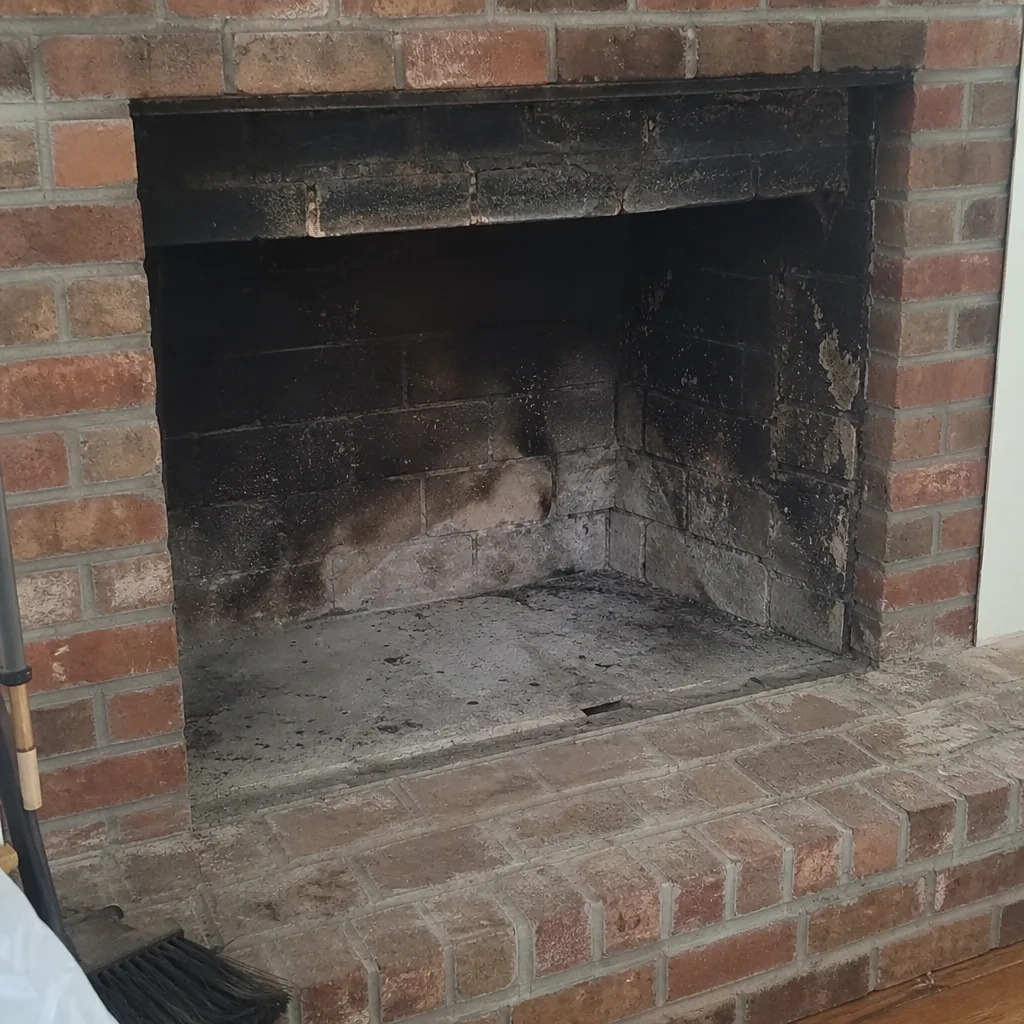 Before
 After
 Before
 After
When to Call a Professional
Call a professional chimney sweep in Fishers if any of these apply: your last cleaning is over a year old, you’ve moved into a home with an unknown chimney history, you’ve had a chimney fire or recurring smoke spillage, you’ve installed a new appliance, or you simply don’t know whether the flue is clean. These aren’t reasons to panic. They’re reasons to get a professional inspection done and find out for certain. Sweeping a chimney yourself is limited by what you can see, and an inspection relies on camera equipment that reaches the full flue. Fishers Chimney Sweep offers free estimates in Fishers. Call (844) 761-5757. We answer 24/7, and dispatch runs 7am to 7pm, Sunday through Friday.
For more on who we are, the Fishers Chimney Sweep team stays focused on chimney work specifically. Sweep, inspection, and repair under one roof means the inspection findings connect directly to the repair work when it’s needed.
Frequently Asked Questions
Chimney cleaning in Fishers is priced per job based on the creosote stage found and the inspection level used. A standard sweep is the base-service tier, while Stage 2 deposits, Level 2 camera inspections, and Stage 3 glazed creosote cost more. The written estimate sets the final price. Call (844) 761-5757 for an exact quote. Estimates are free.
Only if a camera inspection shows visible damage you can review yourself. A liner should never be recommended without a photo of the issue. If the liner shows clear cracking, gaps, or glazed conditions that standard cleaning can’t solve, resurfacing with HeatShield or relining with DuraFlex may be the right path. If it doesn’t, say so plainly, and the recommendation can wait. Ask for the photos. Call (844) 761-5757 for a second opinion.
Once per burn season for most Fishers homes with regular fireplace use, and at least once a year as a rule. Fishers has a long, cold heating season, and steady burning builds deposits faster than short or occasional use. If the fireplace sees intermittent use, the schedule can stretch, but an annual inspection is still the best baseline. Call (844) 761-5757 to book the inspection.
Creosote accumulates, and at Stage 2 or 3 that accumulation raises the risk of a chimney fire. It can also reduce draft, letting smoke and carbon monoxide back into the home, and it can hide structural issues that get more expensive as they sit. Skipping isn’t a savings. It shifts the cost to later. Call (844) 761-5757 for a current-condition inspection.
Not all, but many do. A Level 2 camera inspection is the standard when the appliance has changed, the home has changed hands, or there’s been a chimney fire, and it’s the right call when the chimney’s history is uncertain. A routine cleaning of a familiar chimney can start with a Level 1. Call (844) 761-5757 and we’ll help you decide which applies.
A basic sweep can be done with the right tools, but it can’t reach the full flue or identify the creosote stage, and it can’t spot damage a camera would catch. Chimney cleaning is a diagnostic process as much as a physical one. The inspection is the part most homeowners can’t do at home. Call (844) 761-5757 for a professional inspection.
The Bottom Line
Cleaning is one step in a process. The inspection comes first, the creosote stage determines the method, and the report tells you what you’re looking at and what can wait. In Fishers, the long heating season means buildup is real and worth checking every year, and a chimney labeled recently cleaned isn’t necessarily a safe one. Ask for the inspection level, ask for photos, and read the report carefully. If your fireplace is ready for a check before burn season, call (844) 761-5757 for a free estimate. We answer 24/7, and dispatch runs 7am to 7pm, Sunday through Friday. And when you need work beyond cleaning, the repair path uses professional-grade brands like HeatShield and DuraFlex, handled by the same specialist who did the inspection. That’s the advantage of working with a company focused on Fishers chimneys rather than one that treats sweeping as a side service.
Written by the team at Fishers Chimney Sweep.