
Last updated November 15, 2026
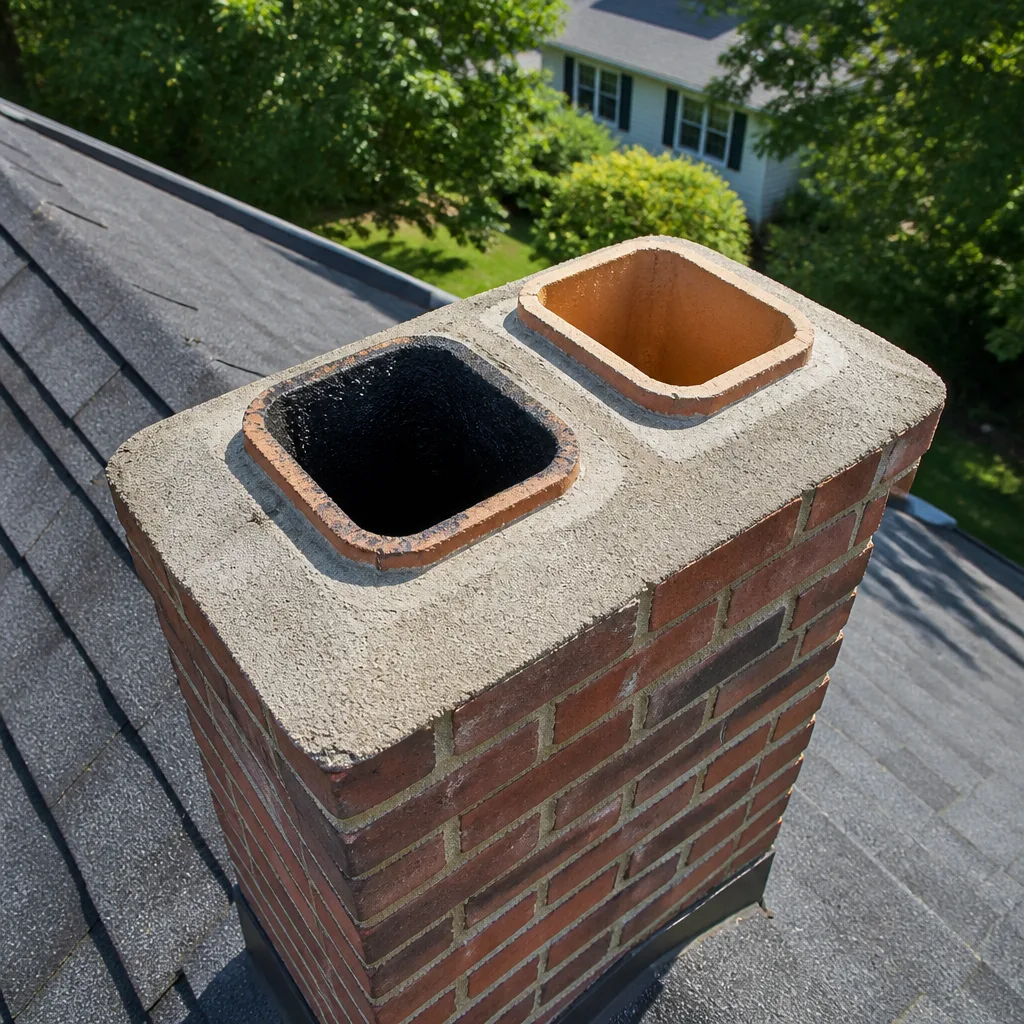 Sweep & inspection
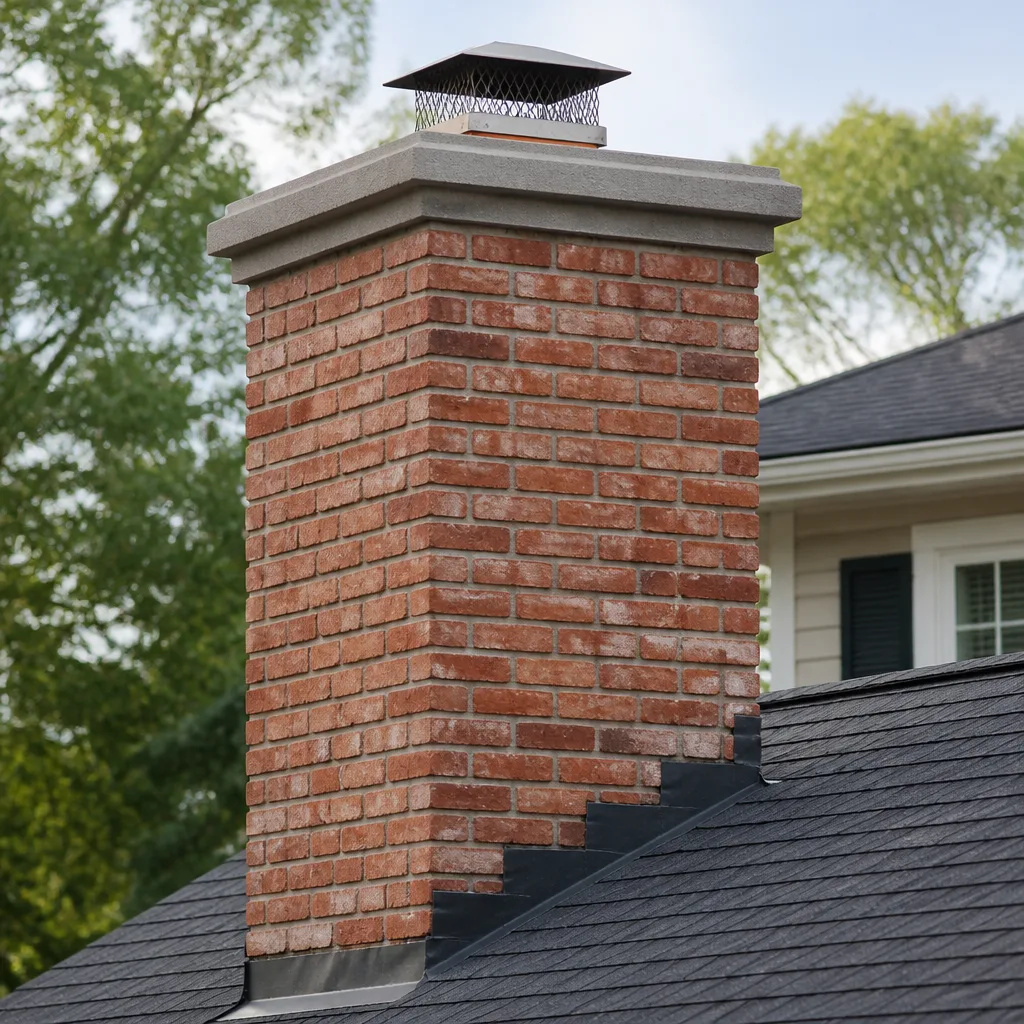 Caps & crowns
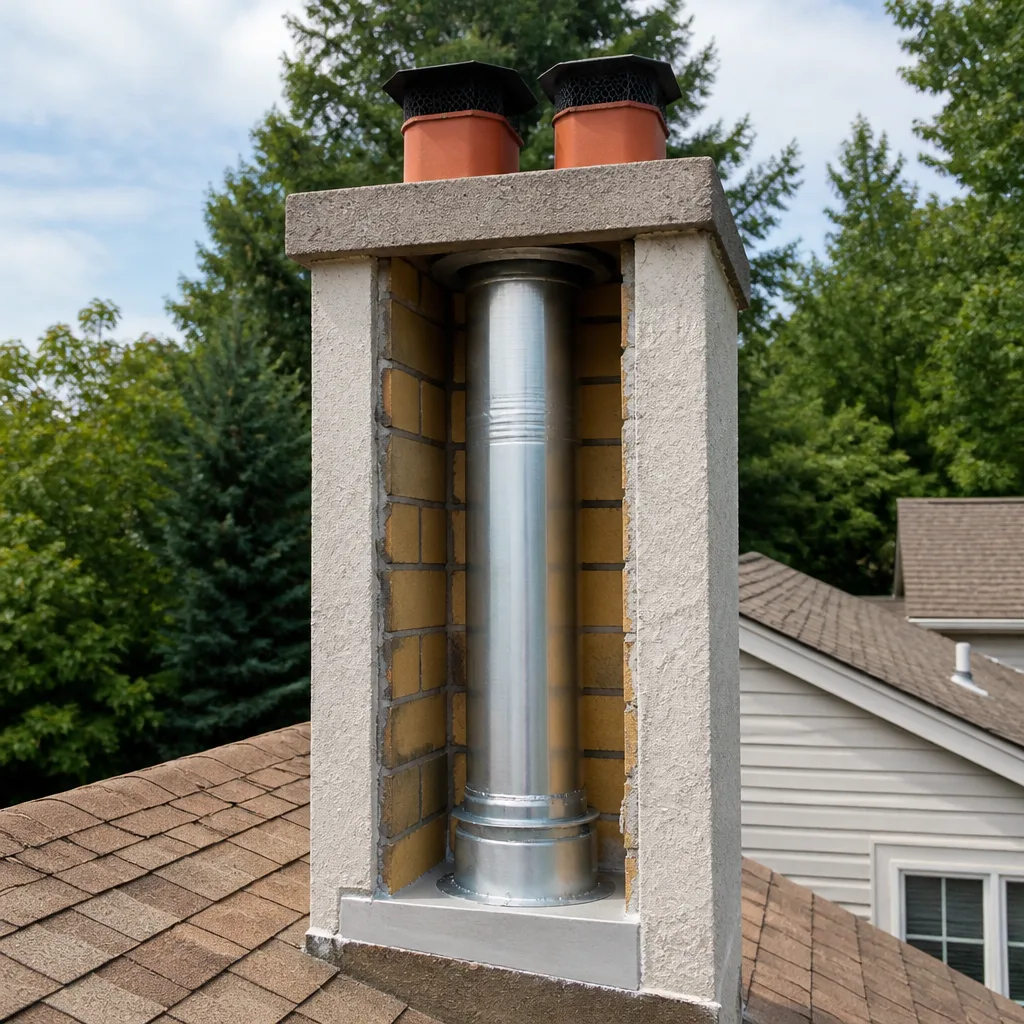 Flue relining
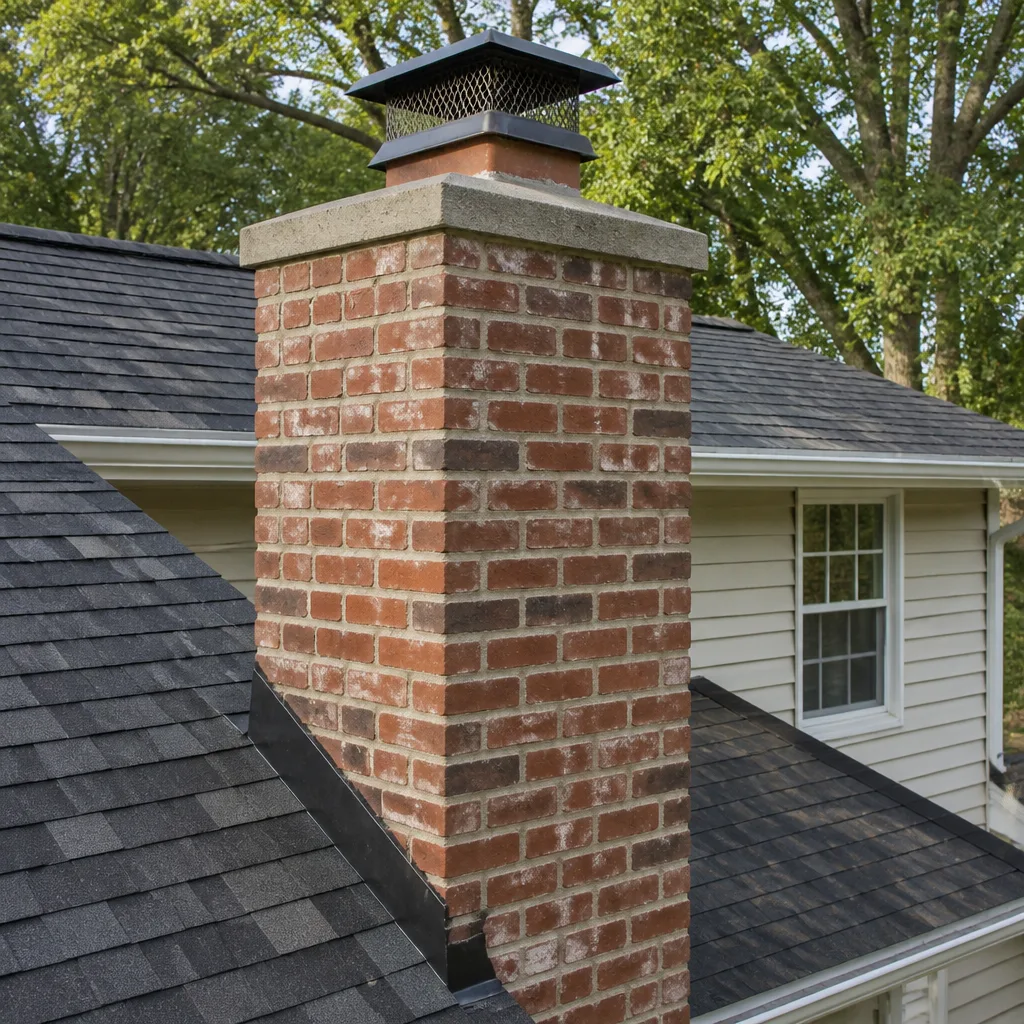 Masonry repair
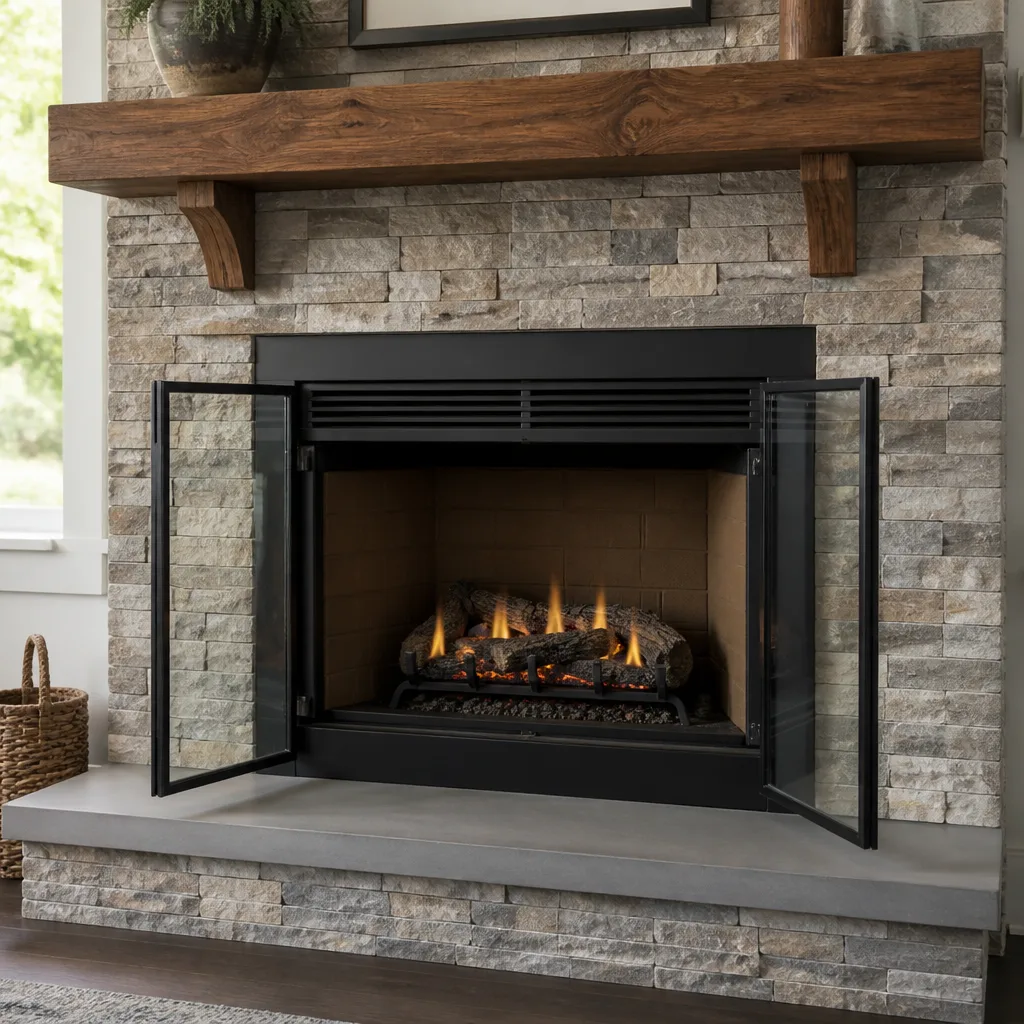 Gas fireplace service
Level 1 sweep and inspection to the NFPA 211 annual standard - flue, crown, cap, and flashing checked and photographed
Chimney sweep logs do not sweep chimneys. They loosen some creosote - which then falls where a brush and vacuum still have to collect it.
Choosing the Right Chimney Cleaning Brand: A Buyer’s Guide for Fishers
Most homeowners in Fishers shop for a chimney sweep the same way they shop for a plumber: a couple of searches, a couple of quotes, and a decision made largely on price. The part that gets skipped is the part that matters years later, which is what the sweep puts inside your chimney when the cleaning reveals a cracked crown or a deteriorating flue. A cleaning is a one-afternoon event. The liner, the crown coating, and the firebox mortar are a multi-decade decision. This guide is about that second decision, and how to read the material choices behind a quote before you sign one in Fishers.
Styles & brands we work with
- Sweep & inspection
- Caps & crowns
- Flue relining
- Masonry repair
- Gas fireplace service
Quick Answer
The right chimney cleaning brand in Fishers isn’t a franchise logo, it’s the product lines the sweep uses for repairs and relining after the cleaning. Ask which specific materials they install for crown coating, flue resurfacing, and liner replacement, whether those products are UL 1777 listed, and whether the installer is trained on them. A sweep who can name HeatShield, DuraFlex, Olympia Chimney, or Famco, explain why they chose them, and show the spec sheet is giving you a real answer. A sweep who says “we use the best stuff” is not.
Table of Contents
- Why the “Brand” Question Is Really a Materials Question
- What Professional-Grade Materials Actually Mean
- How to Ask a Sweep Which Products They Use
- Why Liner Grade Matters in Fishers
- What Keeps a Product Warranty Valid
- How Material Quality Compounds Over Ten Years
- The Fishers Contractor Market: What to Watch For
- Common Mistakes to Avoid
- When to Call a Professional
- Frequently Asked Questions
- The Bottom Line
Why the “Brand” Question Is Really a Materials Question
Chimney sweeping itself doesn’t have a brand. A brush is a brush, and a vacuum is a vacuum. What has a brand, and what carries real consequences, is everything that gets installed after the debris is cleared out: the stainless liner, the crown coating, the refractory mortar in the firebox, the top-sealing damper, the cap. Those products come from a small number of manufacturers who engineer them specifically for chimney conditions, test them to recognized standards, and stand behind them with warranties that depend on how the product was installed.
The confusion comes from the fact that chimney work is often sold by people who do it as a side service. A general handyman will clean a chimney and then patch a crown with a bucket of masonry compound from the local hardware store. It looks fine for a winter or two. Then the freeze-thaw cycle in central Indiana starts working on it, and you’re back on the phone. That’s not a workmanship problem in the sense most people mean. It’s a materials problem, baked in at the start.
In our experience, the homeowners who end up frustrated are almost never the ones who paid the most. They’re the ones who couldn’t tell the difference between a spec’d product and a substitute when the estimate was in front of them. Learning to read that difference is the entire skill.
What Professional-Grade Materials Actually Mean
“Professional-grade” gets used loosely, so it’s worth pinning down. In chimney work it means a product made by a manufacturer whose business is chimney products, tested to a recognized standard, installed by someone trained in the manufacturer’s method, and documented so the warranty holds up if you ever need it.
The relevant standard for most relining work is UL 1777, which is the listing standard for chimney liners. A UL 1777 listed liner has been tested for temperature resistance, structural integrity, and performance under the conditions a chimney actually produces. A piece of flexible metal duct from a farm supply store has not. It might look similar in the box. It will not behave the same way at 1,000 degrees.
For crown repair and flue resurfacing, there’s a similar distinction. Products like HeatShield are formulated specifically to bond to flue tile and restore a deteriorated liner surface, and they’re installed by technicians trained in the manufacturer’s application method. Generic refractory patching compound is designed for a different job entirely, and it shows: it cracks, it spalls, and it doesn’t bond to the ceramic the way a purpose-built resurfacing product does.
The brands a chimney specialist works with tend to be a short list, because the market for purpose-built chimney products is small. DuraFlex, HeatShield, Gelco, Olympia Chimney, Famco, and Copperfield all make products in this category. A sweep who works with several of them isn’t showing off a logo wall. They’re showing that they’re buying from the manufacturers who actually make chimney products, rather than adapting something else.
What to look for in a material spec
- UL 1777 listing on any liner, stated on the documentation rather than just claimed verbally
- A manufacturer-specific installation method the technician has been trained on, not a generic process
- A published warranty with written terms, not a verbal promise
- A brand you can look up and find on the manufacturer’s own site
How to Ask a Sweep Which Products They Use
This is the part that most homeowners skip, and it’s the part that separates a real answer from a rehearsed one. The good news is that the question is easy to ask, and a legitimate specialist will welcome it. Anyone who gets defensive about naming products is telling you something.
- Ask specifically about each repair material. “What product do you use for crown coating?” “What do you use for flue resurfacing?” “Which liner brand do you install, and why?” A real answer names products. A vague answer doesn’t.
- Ask for the spec sheet or warranty document. A chimney specialist has these on hand, or can send them. Ask for them before the work is scheduled, not after.
- Ask about training on those specific products. Manufacturers train installers on their own products. A sweep who has been through HeatShield training or who installs DuraFlex regularly should be able to describe the process without hesitation.
- Ask what they would do if the product wasn’t available. The answer should be “we’d reschedule.” A substitute is the wrong answer for a liner or a crown.
- Ask whether the estimate includes the material names. A written estimate that names the products is a serious estimate. One that says “crown repair” with no detail leaves room for a substitute.
Legitimate answers sound like this: “We’d use HeatShield for that flue resurfacing, and the crown would get a purpose-built crown coating rather than mortar because the mortar cracks in freeze-thaw.” Legitimate answers also include the technical reason a specific product was chosen for a specific problem. If a sweep can explain why a particular liner grade fits your appliance and your fuel, that’s a professional. If the answer is “we always use X,” that’s worth a second question. In Fishers, the combination of cold winters and typically gas or wood appliances means the right answer usually involves a grade choice, not a one-size option.
Why Liner Grade Matters in Fishers
Stainless steel chimney liners come in different alloys, and the two you’ll hear about most are 304 and 316L. Both are stainless. Both are UL 1777 listed when they come from a real manufacturer. They are not interchangeable for every application, and the difference shows up years down the road.
The short version: 316L contains molybdenum, which makes it more resistant to corrosion from the acidic byproducts of combustion. That matters for wood-burning appliances, and it matters even more for any appliance that produces moisture-heavy exhaust. 304 is more resistant to certain types of high-temperature oxidation and is sometimes the right choice for specific gas applications. The correct alloy depends on what’s burning in your fireplace, how often it burns, and what the manufacturer’s spec says for that combination.
Fishers sits in a climate with genuine winter, and that has two consequences. First, a chimney that runs hot and cold over a season cycles through expansion and contraction, which stresses every joint and connection. Second, when a chimney is idle for stretches and then put back into service, condensation can form and sit against the liner interior. A liner with the wrong alloy for the fuel type corrodes faster under those conditions.
The point isn’t that 316L is always better. It’s that the grade should be a deliberate choice tied to your appliance and fuel, explained to you, and documented. A sweep who installs DuraFlex, for example, has access to multiple grades within that product line and should be able to tell you which one and why. If the answer you get doesn’t reference your appliance at all, it’s worth asking again.
A quick decision framework
- Wood-burning fireplace or insert: lean toward 316L for corrosion resistance, confirm against manufacturer spec
- Gas appliance: confirm the specific alloy the appliance manufacturer recommends, which can vary
- Oil or multi-fuel: ask specifically, because the corrosion profile is different
- Any appliance with high usage: ask about wall thickness and joint construction, not just alloy
What Keeps a Product Warranty Valid
A material warranty is only as good as the paper trail behind it. Manufacturers of professional chimney products typically require three things to honor a warranty: professional installation by a trained installer, some form of inspection documentation, and proof that the specific product and grade installed matches the specification. Lose any of those and the warranty can be voided, even if the product itself was fine.
Here’s how to protect the warranty on work done in Fishers:
- Get the product names and model numbers in the written estimate. Not “stainless liner.” The actual brand and grade.
- Keep the inspection report. A camera inspection before and after the work documents the condition the liner went into and the condition it left in. That record matters if a claim ever comes up.
- Ask for the manufacturer’s warranty document. Not a promise from the sweep, the actual document. Read what it requires.
- Keep the receipt or invoice that names the installer and the product. If a warranty claim happens years later, you’ll need to prove who installed it and what they installed.
- Don’t let anyone substitute a different product without a written change. This is the most common way a warranty quietly evaporates.
One more note on insurance: if a chimney fire ever leads to a claim, an insurer will typically want to see that the work on the chimney was done by a qualified professional with documented materials. A DIY reline with an unlisted product can complicate that claim. This isn’t a scare tactic, it’s just how claims work. The documentation is worth keeping.
How Material Quality Compounds Over Ten Years
The economics of chimney repair get clearer when you look at a longer window than a single season. A better material costs more up front. That’s the visible part. What’s less visible is what happens across a decade of Indiana freeze-thaw cycles, summer humidity, and repeated heating seasons.
A purpose-built crown coating resists cracking better than a mortar patch, which means fewer water intrusions into the chimney structure, which means less spalling of the brick and less deterioration of the flue tile behind it. A UL 1777 listed liner in the correct alloy for the fuel holds up longer than a substitute, which means the reline doesn’t need to be redone. A properly installed HeatShield resurfacing can restore a flue that would otherwise have needed a full liner tear-out, which is one of the larger costs in chimney work.
Here’s the compounding in practice:
- Year 1: a slightly higher material cost shows up on the estimate
- Years 2-5: a correctly installed crown and liner need routine inspection and sweeping, nothing more
- Years 5-10: a poorly specified or substituted product typically starts showing its failure mode (cracked crown, corroded liner, spalled flue tile)
- Year 10: one repair path has cost a single install plus routine maintenance; the other has cost an install plus a redo
We’ve seen both outcomes in Fishers. The homeowners who come out ahead in the long run are almost always the ones who chose the material honestly at the start. It’s not about buying the most expensive option. It’s about not buying a substitute.
The Fishers Contractor Market: What to Watch For
Fishers has a lot of new housing stock and a lot of fairly recent construction, which changes the chimney inspection and repair conversation in ways that differ from older neighborhoods. A chimney in a newer home is often still on its original install, which means the inspection question is “how was this originally done,” not “how long has it been since this was fixed.” A home that’s had a few heating seasons on it might have a crown showing early weather cracking, or a flue that was never properly sized for the appliance the original owner installed.
That context matters because it changes the materials question. A newer chimney may need a crown coat and a cap, and the crown coat is where the difference between a purpose-built product and a mortar patch shows up fastest. An older chimney, or one with a significant history, may need the full liner conversation. Both are legitimate repair paths, and both deserve specific material answers.
What to watch for in any Fishers quote, regardless of the age of the house:
- A quote that recommends liner replacement without a camera inspection. You should see the footage before you agree to thousands of dollars of work.
- A quote with no product names. The materials line is where the real information is.
- A sweep who is also a general contractor. There’s nothing wrong with a general contractor, but the chimney work is where the specialist matters most, and a generalist is likely substituting materials they can get at a hardware store.
- A recommendation that skips the crown when the flue is failing. The crown protects the whole structure. Skipping it to save money on the visible repair is a false economy.
- A price that’s dramatically lower than everyone else’s. On a liner or a crown, that gap is usually a material substitution, not efficiency.
In our experience, walking through a Fishers home after a cleaning usually comes down to two questions: what’s the honest condition of the flue and crown, and what’s the right material to fix it. Both answers should be specific and documented. If they aren’t, keep asking. Fishers Chimney Sweep is built around those two questions and not much else.
Common Mistakes to Avoid
- Choosing on price alone. The cheapest quote on a liner or a crown is usually cheap because the material is different, not because the labor is more efficient. Ask what the material line item is before you compare prices.
- Accepting a verbal product name without documentation. “We use HeatShield” is a good answer only if the written estimate says HeatShield with a model or spec. Verbal claims vanish when a warranty claim comes up.
- Skipping the camera inspection. You shouldn’t agree to significant repair work without seeing the footage. A camera inspection before and after is the difference between a recommendation you can verify and one you have to take on faith.
- Assuming 304 and 316L are interchangeable. They aren’t, and a liner specified without reference to your appliance and fuel is a liner specified without a reason.
- Letting a handyman patch a crown with masonry compound. It’s a common substitution in Fishers because it’s cheaper and easier to source. It also cracks faster in freeze-thaw, and it typically voids any warranty the original work carried.
- Not keeping the inspection report and material documentation. The paperwork is what makes a warranty claim possible years down the road. File it with your home records.
- Waiting for a problem to announce itself. Chimney deterioration is usually quiet until it’s expensive. An annual inspection catches the early signs when a crown coat or a small repair is still the answer.
When to Call a Professional
Call a professional sweep before the first heating season of any year you haven’t had the chimney inspected. Call immediately if you notice creosote buildup beyond the usual, a strong smell from the fireplace when it isn’t in use, visible cracking in the crown or flue, water staining on the chimney exterior, or any sign of a chimney fire that didn’t require the fire department. Those are inspection triggers, not do-it-yourself triggers. A trained technician can tell the difference between a crown that needs coating and one that needs rebuild, and between a flue that can be resurfaced and one that needs a full reline. That distinction is where the material conversation above becomes real money.
Fishers Chimney Sweep offers free estimates in Fishers. If you’re not sure whether your chimney needs a cleaning, an inspection, or a repair, that’s the right call to make. Call (844) 761-5757. We answer 24/7. Fast dispatch from 7am to 7pm, Sunday through Friday.
Frequently Asked Questions
Nothing, in the literal sense. A chimney sweep is the technician, and the “brand” of a chimney cleaning service is really the product lines the sweep uses for repairs and relining. The name on the side of the van doesn’t tell you whether they use a UL 1777 listed liner or a substitute. The materials list on the estimate does. That’s the question worth asking in Fishers, or anywhere else.
Ask for the documentation. A UL 1777 listing comes with a spec sheet from the manufacturer, and a legitimate chimney specialist will hand it over or email it before the work is scheduled. A verbal claim that the liner is “UL listed” is not enough. The paperwork should name the product, the manufacturer, and the listing. If you can’t get documentation, don’t buy the material.
316L contains molybdenum, which resists corrosion from acidic combustion byproducts, and it’s typically the better fit for wood-burning appliances. 304 is sometimes the right choice for particular gas applications. In Fishers, where a chimney cycles through freeze-thaw seasons and sits idle between heating seasons, the correct alloy matters because corrosion is the main failure mode over time. Ask specifically which alloy is specified and why, and ask for the manufacturer’s recommendation for your appliance.
Sometimes, yes. HeatShield is a resurfacing product applied to deteriorated flue tiles, and in the right conditions it can restore a flue that would otherwise need a full liner tear-out. It’s not a fit for every flue. The decision depends on how much of the original tile is intact and what the camera inspection shows. That’s why the inspection comes first, and why a sweep who offers HeatShield should show you the footage before recommending it.
It often voids. Manufacturer warranties typically require installation by a trained installer and documentation of the specific product installed. If a homeowner hires a second contractor to do the work, or substitutes a different product midway, the warranty on the original product usually doesn’t transfer. Keep the invoice, the inspection report, and the spec sheet together, and don’t let anyone swap materials without a written change.
Both, for different reasons. A camera inspection before the cleaning tells the technician what’s actually inside the flue and what the condition is. A cleaning removes the creosote and debris so the inspection can actually see the surfaces. In practice, the strongest work involves both: inspect, clean, then confirm. If a quote for a repair comes without footage, ask for it before you agree.
The Bottom Line
The right chimney cleaning brand in Fishers is not a logo. It’s a materials list you can read, products you can look up, an inspection you can watch, and documentation you can keep. Ask which products get used for a crown coat, a liner, and a resurfacing job, and expect specific answers. Ask about UL 1777 listing, about 304 versus 316L, and about what keeps the warranty valid. The sweep who answers those questions well is the one you want. The one who deflects is telling you something worth hearing. Before the next heating season, know what’s actually inside your chimney and who’s putting it right. That’s the whole question.
Call (844) 761-5757 for a free estimate. We’ll tell you what’s inside your chimney, what’s in the repair, and why.
Written by the team at Fishers Chimney Sweep.
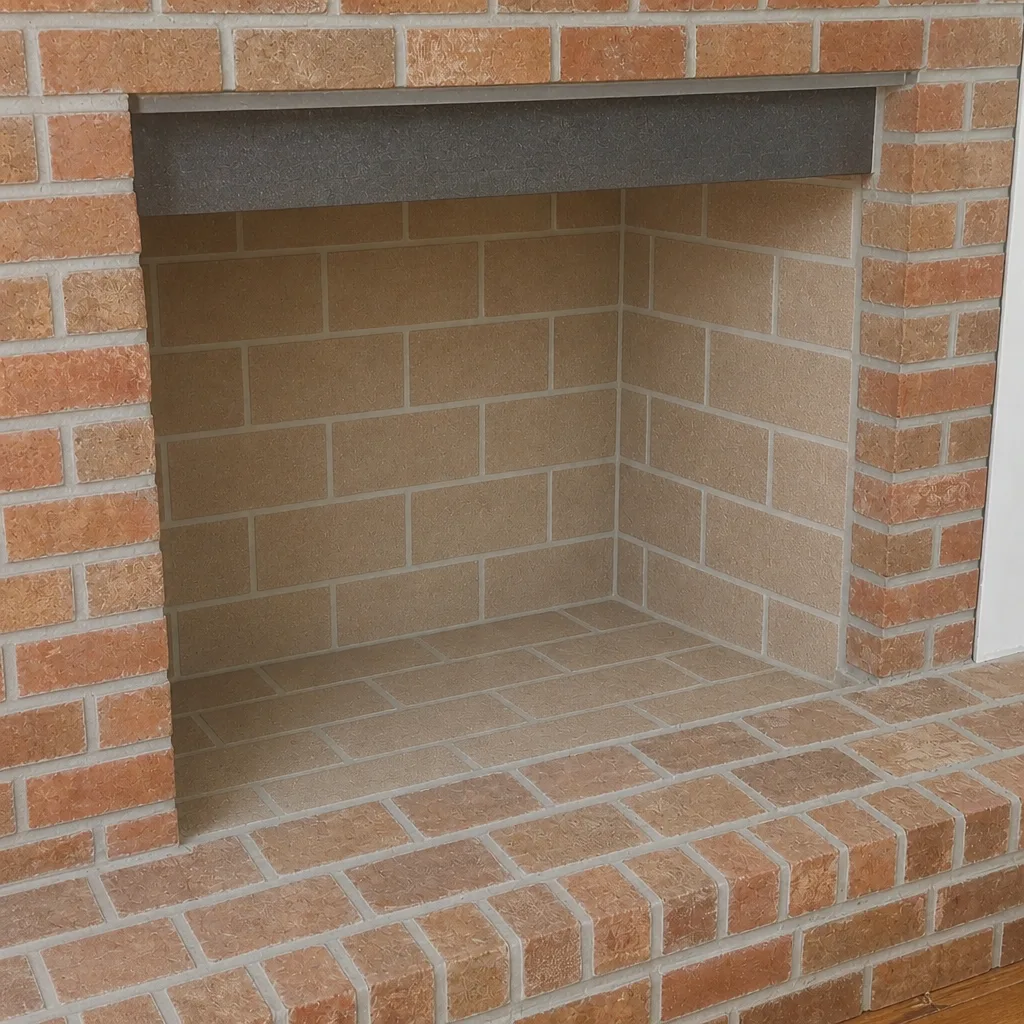
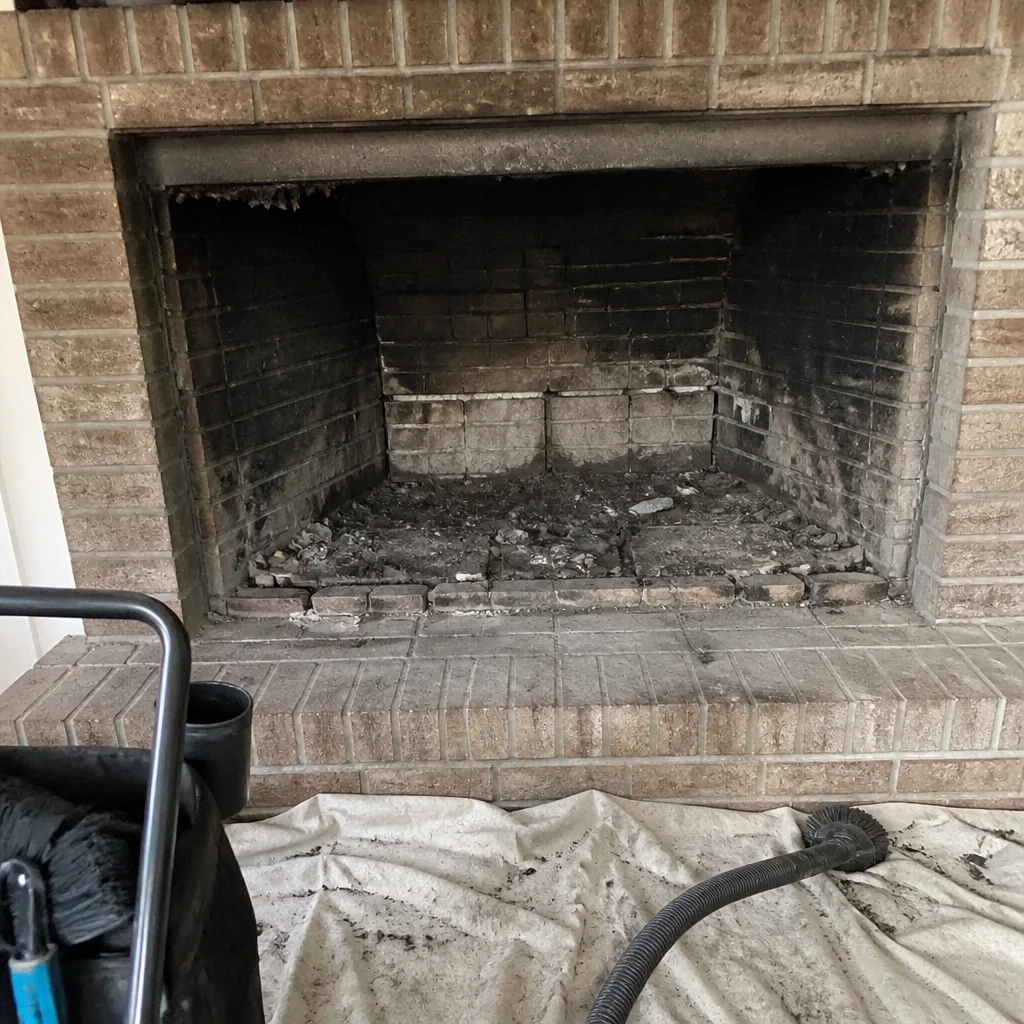
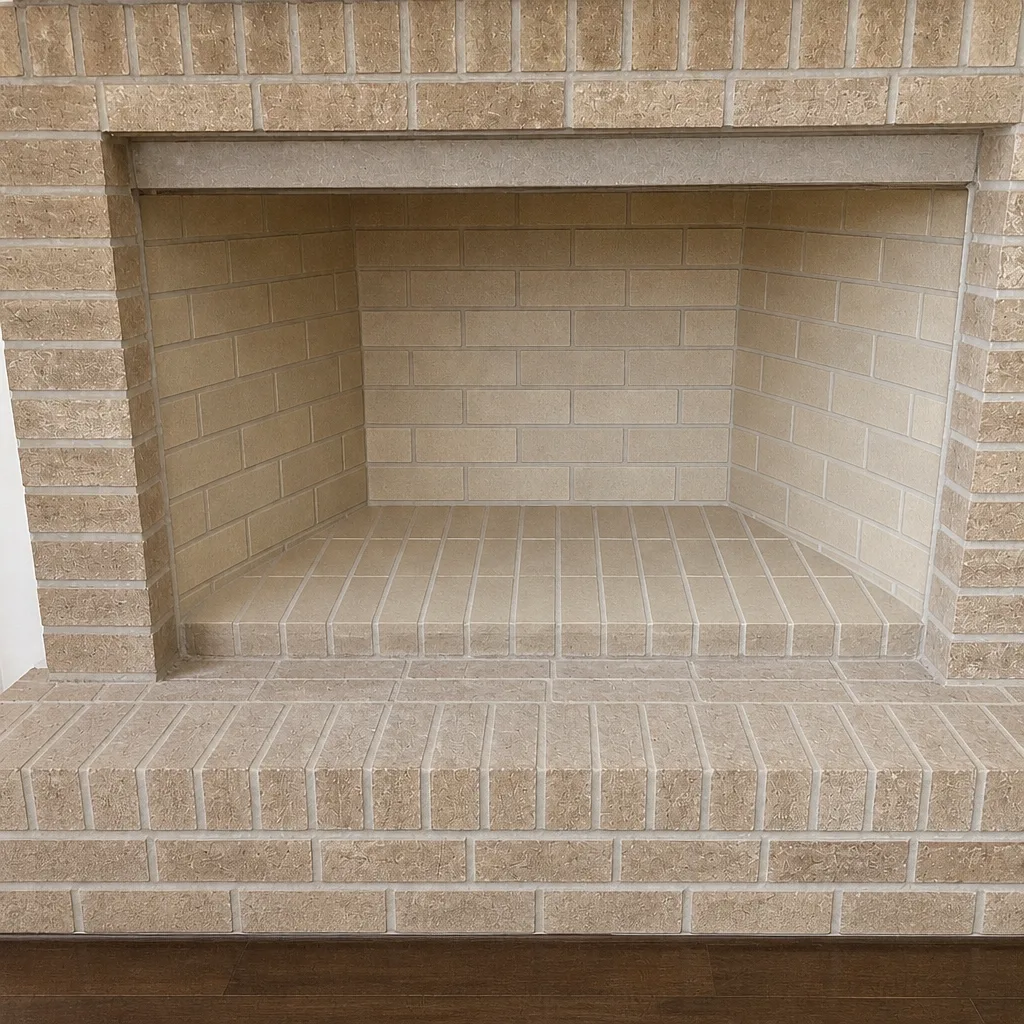
See the difference
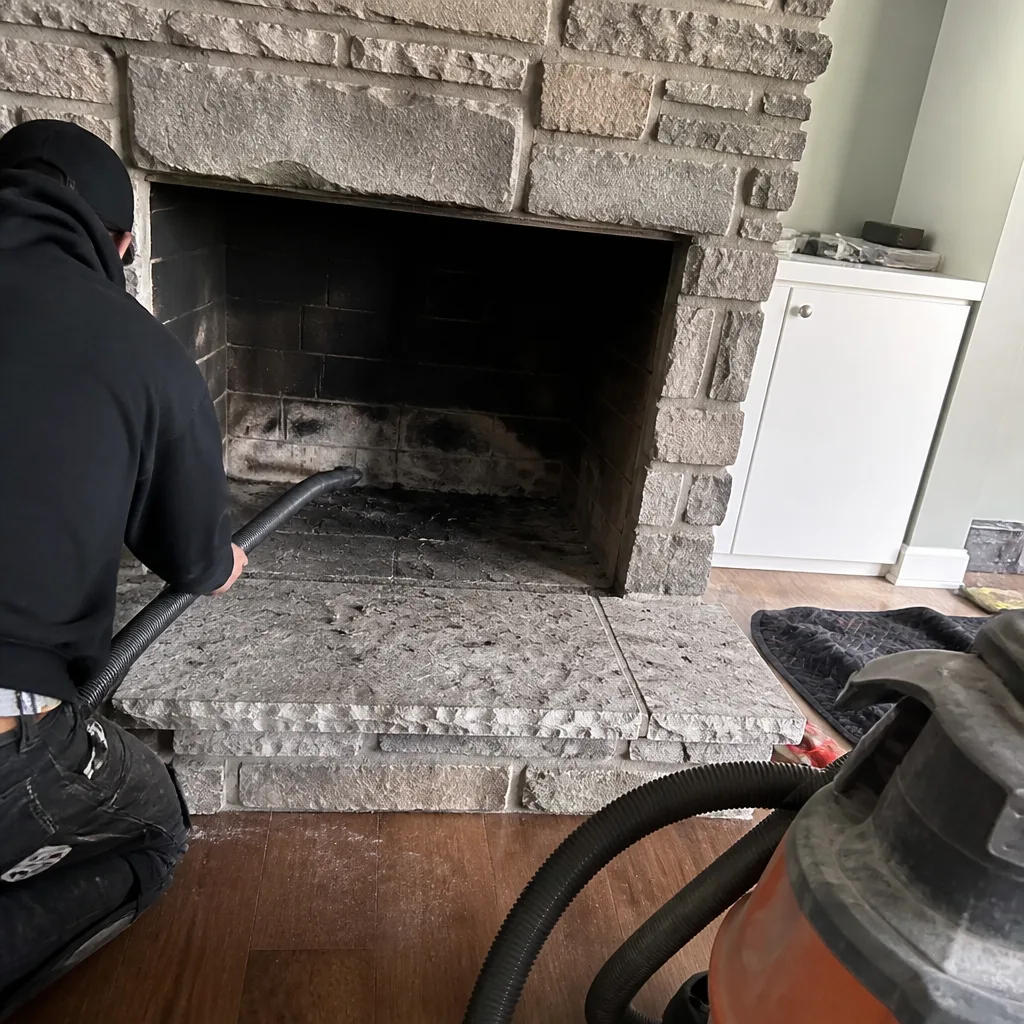 Before
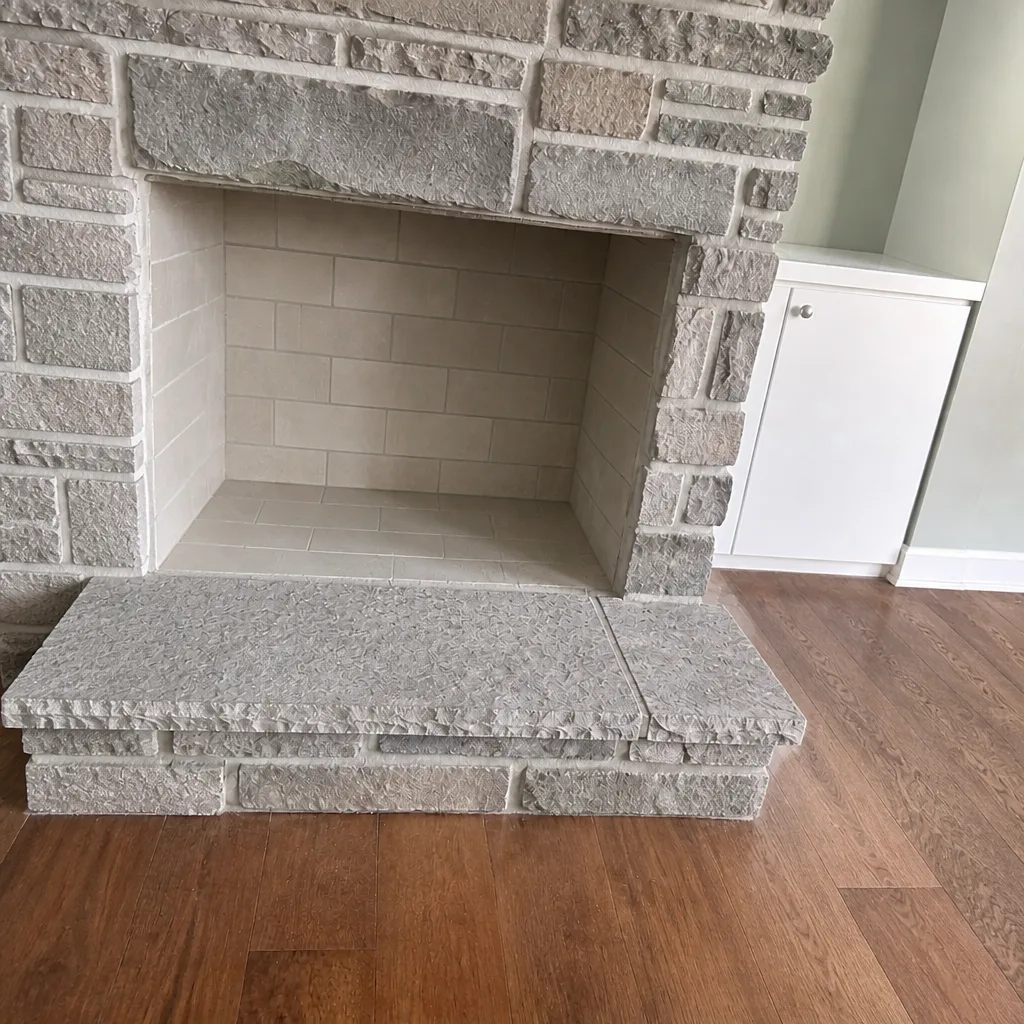 After
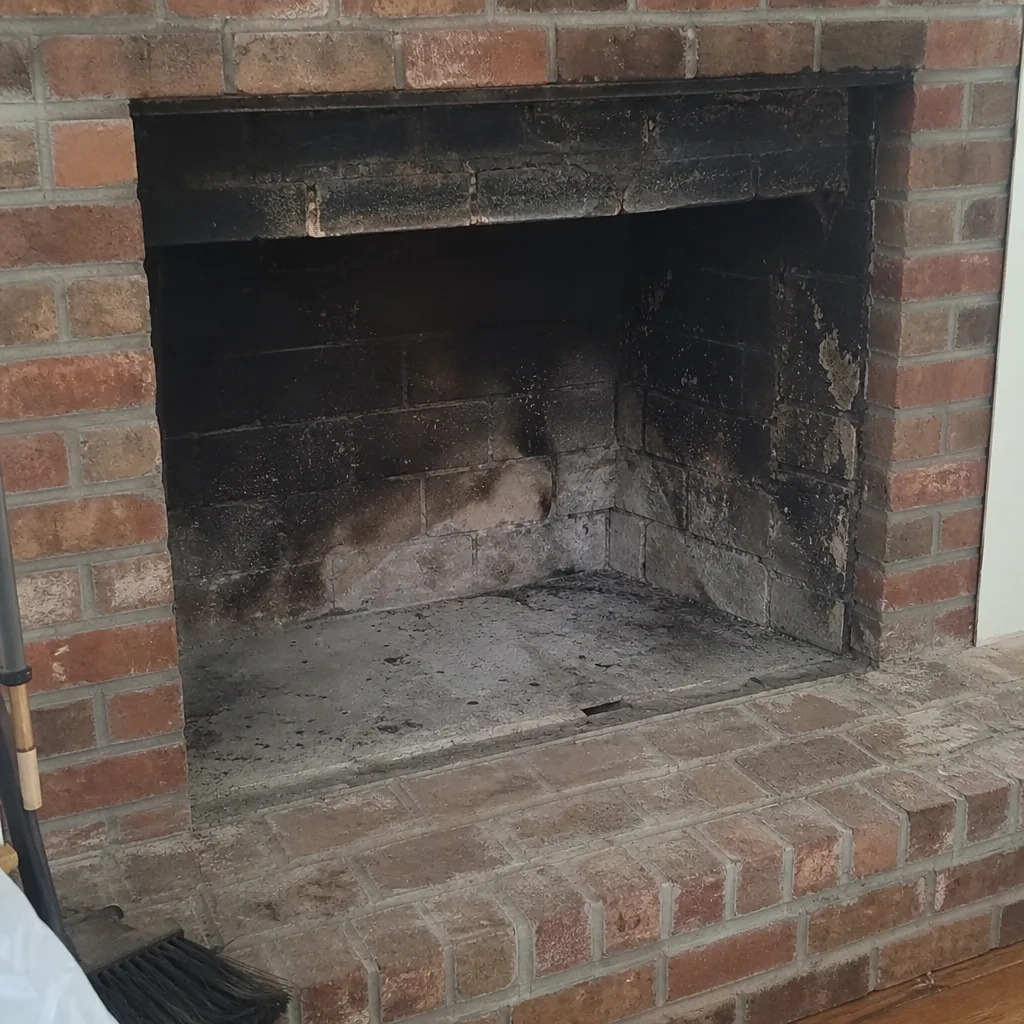 Before
 After
 Before
 After