
Last updated November 15, 2026
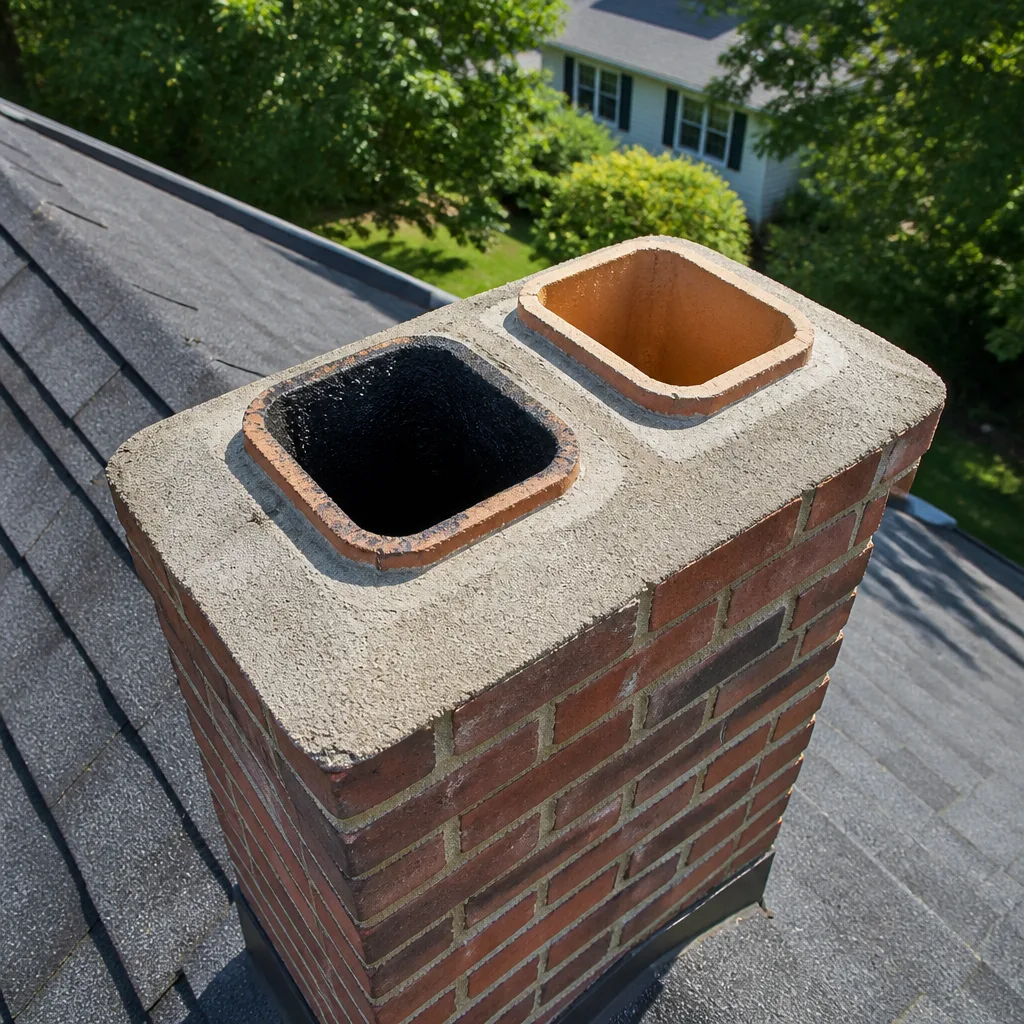 Sweep & inspection
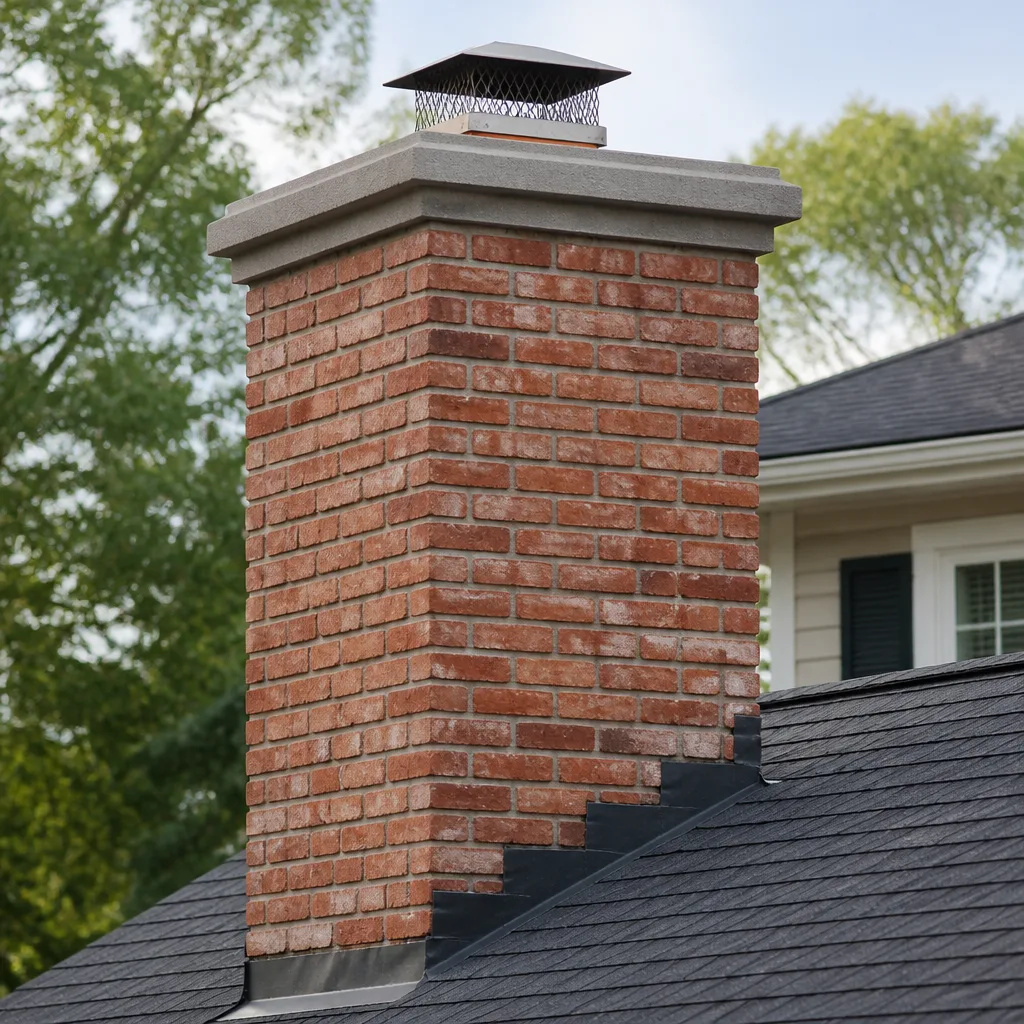 Caps & crowns
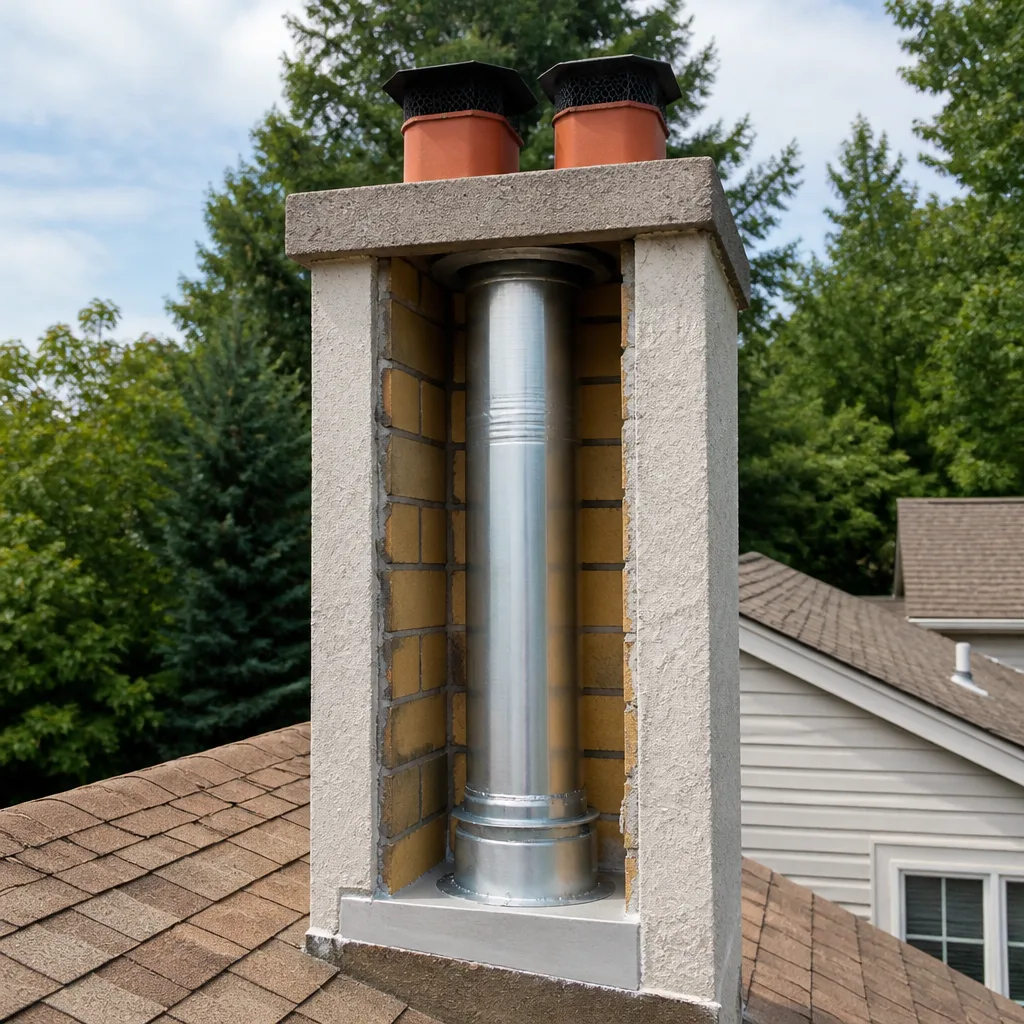 Flue relining
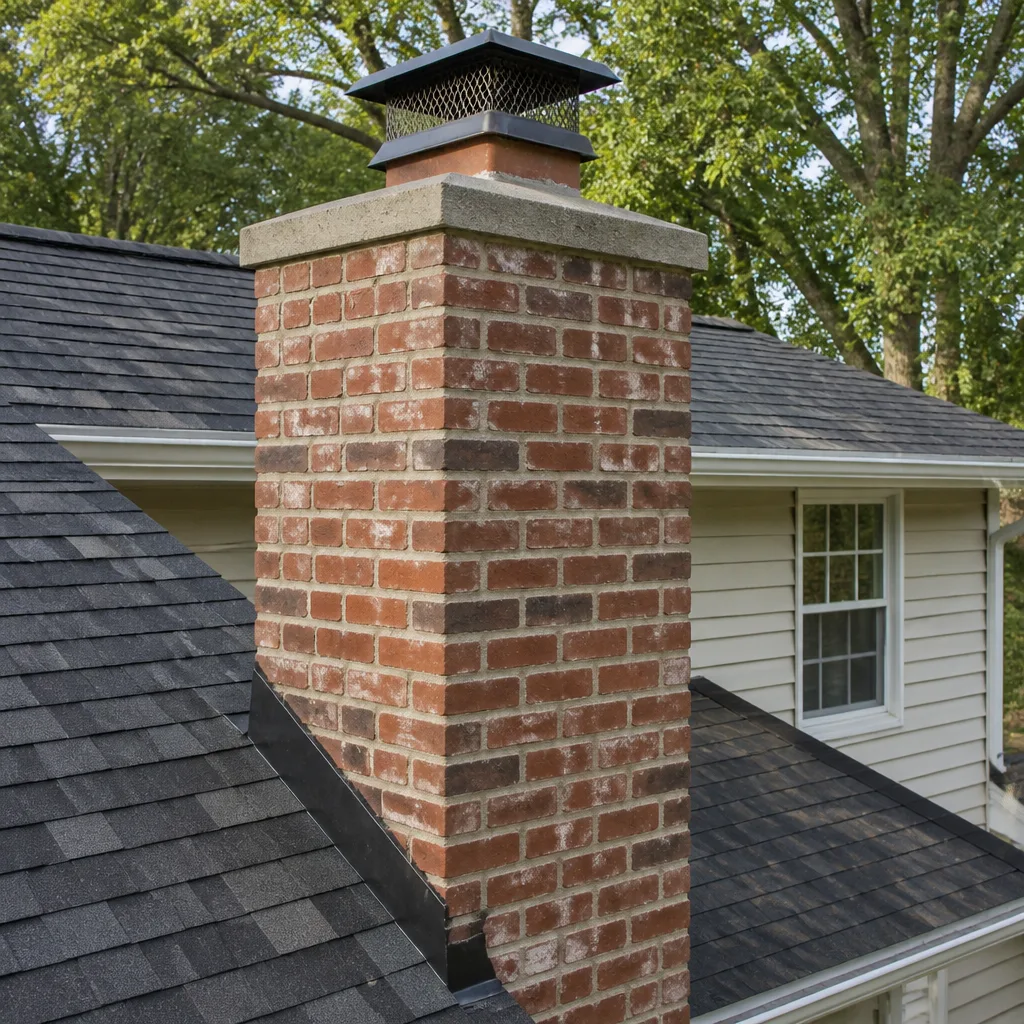 Masonry repair
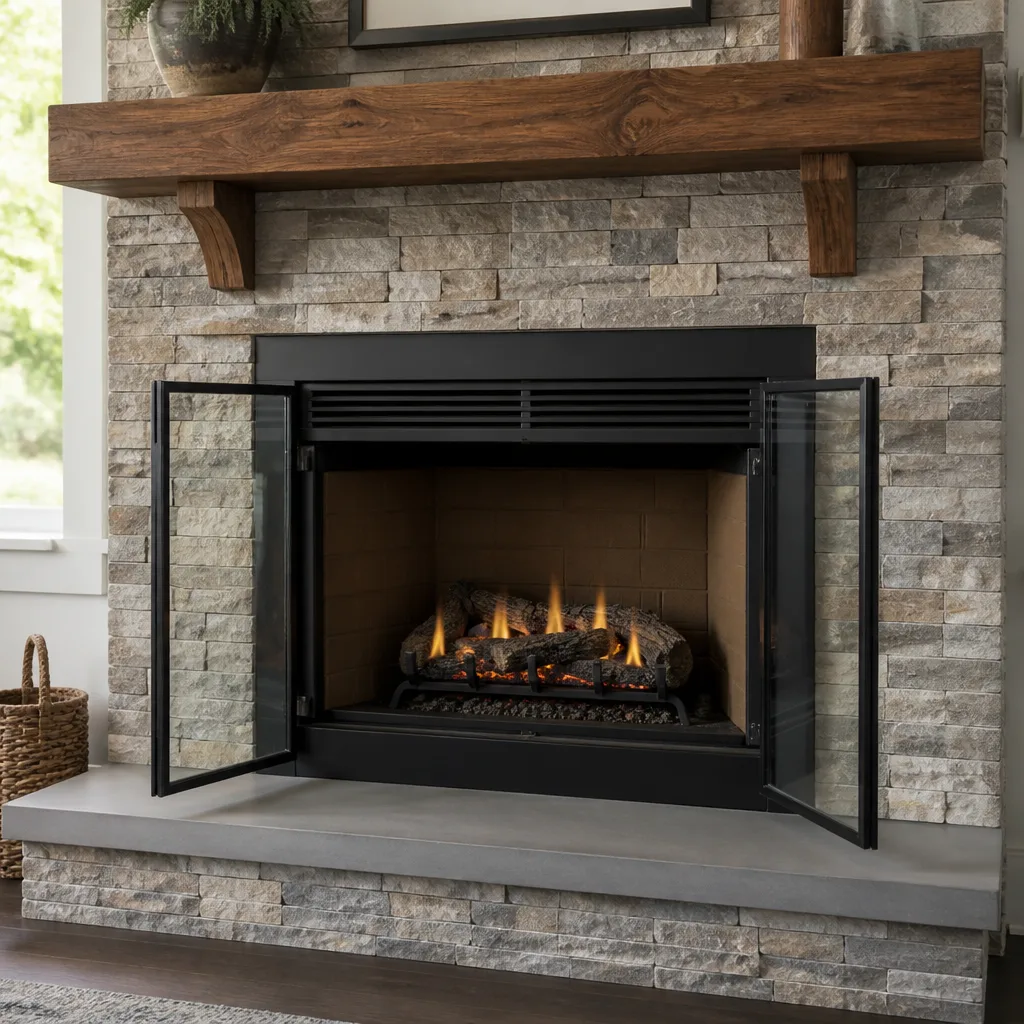 Gas fireplace service
Level 1 sweep and inspection to the NFPA 211 annual standard - flue, crown, cap, and flashing checked and photographed
Chimney sweep logs do not sweep chimneys. They loosen some creosote - which then falls where a brush and vacuum still have to collect it.
Chimney Cleaning Emergency Preparedness Guide for Fishers Homes
A chimney fire doesn’t always announce itself with a roar. Often it sounds like a low rumble, a faint crackling that doesn’t match the fire you built, or nothing at all. That quiet reality is why so many homeowners only learn a chimney fire happened when a sweep finds the evidence during the next inspection: glazed creosote, cracked flue tiles, warped metal. The danger passed through the house and left without a knock at the door. This guide is about preparing before the burning season starts, not reacting after something goes wrong. You’ll learn how to tell an active chimney fire from normal combustion sounds, what to do in the first sixty seconds, how carbon monoxide moves through a failing chimney, and what a post-fire inspection must cover. We’ll keep the focus on Fishers homes, since the way a fireplace here behaves through a humid Indiana summer and a cold burn season shapes what can go wrong.
Quick Answer
If you suspect a chimney fire, call 911 first, get everyone out of the house, and don’t use the fireplace again until a Level 2 inspection confirms the flue is sound. Carbon monoxide concerns mean you should also leave the building if a detector alarms, even without visible smoke. The best protection in Fishers is a pre-season sweep and inspection so a fire never has the fuel to start.
Styles & brands we work with
- Sweep & inspection
- Caps & crowns
- Flue relining
- Masonry repair
- Gas fireplace service
Table of Contents
- How do you know if you’re having a chimney fire?
- What should you do in the first sixty seconds?
- Carbon monoxide and chimney draft failure
- Pre-season emergency preparation checklist
- What a post-fire Level 2 inspection covers
- Why creosote builds up in Fishers chimneys
- Common mistakes to avoid
- Frequently asked questions
How Do You Know If You’re Having a Chimney Fire?
A chimney fire is not always a dramatic event you can see from the driveway. In our experience, the loud, roaring version gets attention immediately, but the slow-burning, low-oxygen fire is the one that does the most hidden damage. Homeowners in Fishers often describe it afterward as “the fireplace just sounded different” or “there was a smell I couldn’t place.” Learning the signals before you ever need them is the core of emergency preparedness.
Watch and listen for these indicators while the fire is burning:
- Sound: A low rumble, a tapping or popping noise, or a sound like a distant freight train. A roaring chimney fire can be loud enough to be heard across a room.
- Smell: A strong, hot, almost metallic or tar-like odor that doesn’t smell like ordinary wood smoke.
- Smoke: Puffing or drifting smoke inside the room, or smoke escaping from the top of the chimney in unusual volume.
- Heat: The chimney pipe or Surround gets hot enough that you can’t hold a hand near it comfortably; the wall or mantel feels warm to the touch.
- Visual: Flames or sparks visible at the chimney top, or a glowing, discolored chimney cap.
Normal combustion has a steady, contained sound and smoke that drafts up and out. A chimney fire sounds different: more aggressive, less predictable, with a rhythm that doesn’t match the wood. If any of the signals above appear, treat it as real. The cost of a false alarm is a phone call. The cost of ignoring a real chimney fire is structural damage to the flue or, worse, a house fire. When in doubt, get out and call 911.
What Should You Do in the First Sixty Seconds?
If you believe a chimney fire is active, act in this order. The sequence matters more than speed.
- Get everyone out of the house. Move people and pets to a safe distance outdoors before you do anything else. Don’t stop to gather belongings.
- Call 911. Tell the dispatcher you suspect a chimney fire. Even if it turns out to have been minor, the fire department is the agency that confirms the house is safe.
- Don’t spray water into the firebox. A sudden burst of water on a very hot firebox or flue can crack tiles and send steam and smoke back into the room. Leave the extinguishing to the fire department.
- Close the glass doors or firebox screen if you can reach it safely to limit air feeding the fire and keep embers inside. Don’t fully close off the chimney top; the fire needs to stop, not be sealed into a hot flue.
- Wait for the fire department to clear the scene, then call a chimney professional for a post-fire inspection before lighting another fire.
What not to do matters just as much. Don’t try to climb onto the roof, don’t open the damper wider hoping to “cool it down,” and don’t assume it’s over because the sound stopped. A slow-burning chimney fire can smolder for a while and then flare. Once the fire department has confirmed the scene is safe, the next call is to a sweep for a Level 2 inspection. This is the step most homeowners skip, and it’s the one that determines whether the fireplace is safe to use again.
Carbon Monoxide and Chimney Draft Failure
Carbon monoxide is the risk most Fishers households underestimate because it has no color and no smell. A properly drafting chimney carries combustion gases up and out. A chimney that has lost draft, or that is blocked by soot, a bird nest, or a collapsed liner, can push those gases back into the living space. That’s when carbon monoxide becomes a household concern rather than a chimney concern.
Two different problems can cause carbon monoxide in a home, and they call for different responses:
- Draft failure: The chimney is intact but not drawing. Common triggers include a cold flue that hasn’t warmed up, a house that’s too tight for makeup air, a blocked cap or spark arrestor, or a flue that’s too short for the appliance. The gas migrates back into the room instead of going up.
- Incomplete combustion: The fuel itself isn’t burning cleanly, producing more carbon monoxide than a healthy fire would. Wet wood, a poorly adjusted gas appliance, or a starved fire all contribute.
Either way, the correct response is the same: if a carbon monoxide detector alarms, get everyone out and call 911 or the gas utility before you do anything else. Don’t try to “air it out” and go back to normal. Once the home is declared safe, a chimney inspection identifies whether the chimney was the source. In our experience across Fishers, draft problems show up most in homes where the fireplace has sat unused for a season and the flue never fully warmed on the first cold night. We can also flag that a damper left partly open year-round lets humid summer air into the flue, which is a separate problem we’ll cover below.
Pre-Season Emergency Preparation Checklist
Preparedness means doing the boring work in the calm weeks before the first fire. Run this checklist each autumn before Fishers gets cold enough to light up.
- Place carbon monoxide detectors on every level of the home and near sleeping areas. Test each unit, replace batteries on schedule, and confirm the alarm is loud enough to wake you.
- Test the damper. Open and close it fully by hand. It should move smoothly and sit flush. A damper that sticks, won’t close, or rattles is a draft and efficiency issue worth having looked at.
- Inspect the chimney cap and spark arrestor from the ground. Look for a missing or loose cap, visible bird nests, or debris. A blocked cap is a common cause of draft failure.
- Book a pre-season chimney sweep and inspection. A clean flue with the creosote removed is the single best protection against a chimney fire. Have this done before you use the fireplace.
- Check the firewood. Seasoned, dry wood burns hotter and cleaner than wet wood, and produces less creosote. Stack it off the ground and covered.
- Confirm you know where your gas shutoff and main electrical panel are so that if an emergency happens, you’re not searching.
- Keep a fire extinguisher rated for chimney and wood fires nearby and know how to use it. Don’t store it in the same room as the fireplace where a fire could block access.
Homeowners in neighborhoods like Cumberland and Delaware Trails tend to get the same reminder at the same time: the first cold snap arrives, everyone lights a fire, and the schedule fills. Booking in late summer avoids a pre-season crunch. A chimney sweep before the season opens means you’re starting from a clean flue instead of discovering problems mid-winter.
What a Post-Fire Level 2 Inspection Covers
After any suspected chimney fire, a Level 2 inspection is the standard. It’s more than a visual look from the firebox. A Level 2 inspection happens when a change of use, a chimney fire, or a real estate transaction calls for it, and it includes a full inspection of accessible portions of the chimney and a video scan of the flue interior.
Here’s what a proper post-fire Level 2 involves:
- Checking the firebox and smoke chamber for cracks and heat damage.
- Scanning the flue liner with a camera to find cracked tiles, gaps, or evidence of glazed creosote.
- Inspecting the chimney exterior for cracks, spalling, or signs of overheating.
- Checking the cap, crown, and flashing for damage the fire may have caused.
- Testing draft to confirm the chimney still pulls correctly.
- Documenting findings so you have a clear picture of what needs repair and what can wait.
Here’s the hard rule most homeowners don’t hear often enough: don’t light another fire until the Level 2 inspection is complete. A post-fire flue can look intact from the firebox and still have a cracked liner that lets heat reach wood framing. In Fishers, we’ve found this is the step most people want to skip because the fire “seemed small.” We can tell you plainly when we find damage that requires chimney repair, and we can also tell you when the flue is sound and safe to use. Inspection findings feed directly into the repair work we can do, using professional-grade materials like HeatShield for resurfacing a deteriorating liner or DuraFlex for a flexible relining when the liner can’t be salvaged. That’s the difference between a checklist and a solution.
Why Creosote Builds Up in Fishers Chimneys
Creosote is the fuel for most chimney fires, and it’s not random. It accumulates wherever smoke cools on its way out of the flue. Cooler, slower-moving smoke leaves more behind. In Fishers, the combination of hot, humid summers and cold winters creates swings that affect how fires burn, and homes that are tightly sealed for energy efficiency can experience draft issues that let smoke linger in the flue.
Three forms of creosote show up in the chimneys we sweep:
- First-degree: Sooty, powdery, and easy to brush away. This is what a routine sweep removes.
- Second-degree: Flaky, crusty, or tar-like. This often needs more aggressive cleaning and is where a chimney fire risk starts to climb.
- Third-degree: Glazed and hardened like glass. This is the most fire-prone and requires a professional approach; in some cases the liner should be resurfaced or replaced.
The practical takeaway: burn well-seasoned wood, keep the fire hot and the flue warm, and get the chimney swept before the season rather than after it. The homeowner who sweeps every autumn has a far lower chance of ever dealing with a chimney fire than the one who waits until “it sounds bad.” Burning-season habits pay off as much as the sweep itself. If you live anywhere in Fishers, from the older neighborhoods near the downtown area to newer builds, a yearly sweep is the baseline.
Common Mistakes to Avoid
- Assuming a quiet fire is a safe fire. The low, smoldering chimney fire does more internal damage than the loud one, and it’s the one most homeowners miss. Pay attention to unusual sounds even when nothing looks wrong.
- Returning to the fireplace before the Level 2 inspection. A flue can look fine from the firebox and still be compromised. Wait for the inspection and a clear go-ahead.
- Skipping the carbon monoxide detector test. A detector that isn’t working is worse than none because it gives false confidence. Test it each fall.
- Closing the damper too early. Shutting the damper while embers are still burning traps smoke and gases in the house. Let the fire burn down and the flue cool first.
- Ignoring a stuck or damaged damper. A damper that won’t open fully starves the fire and pushes smoke back into the room. Have it looked at before the season starts.
- Using wet or unseasoned wood. Wet wood smolders, produces more creosote, and raises the chimney fire risk. Season it and check it before winter.
- Putting off the pre-season sweep until mid-winter. Fishers schedules fill fast after the first cold snap. Book early, get it done before you need the fireplace.
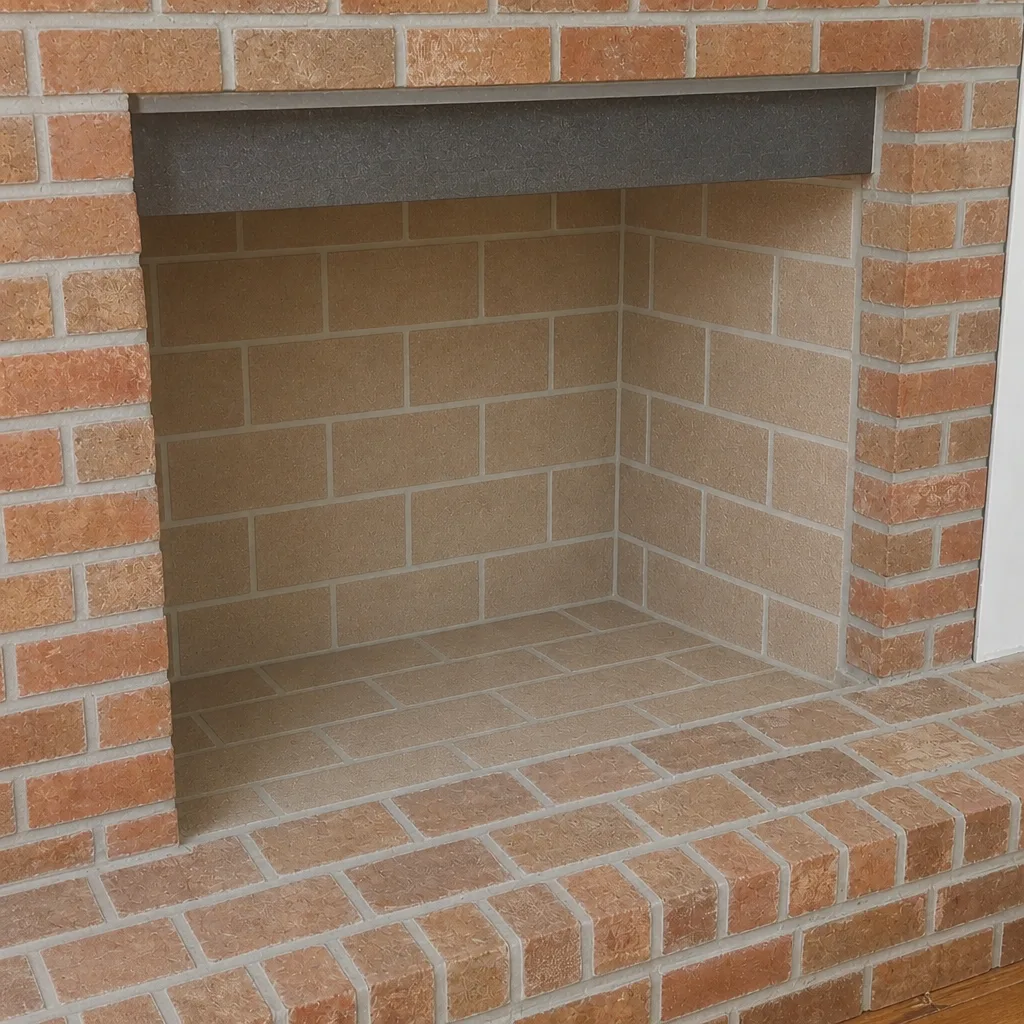
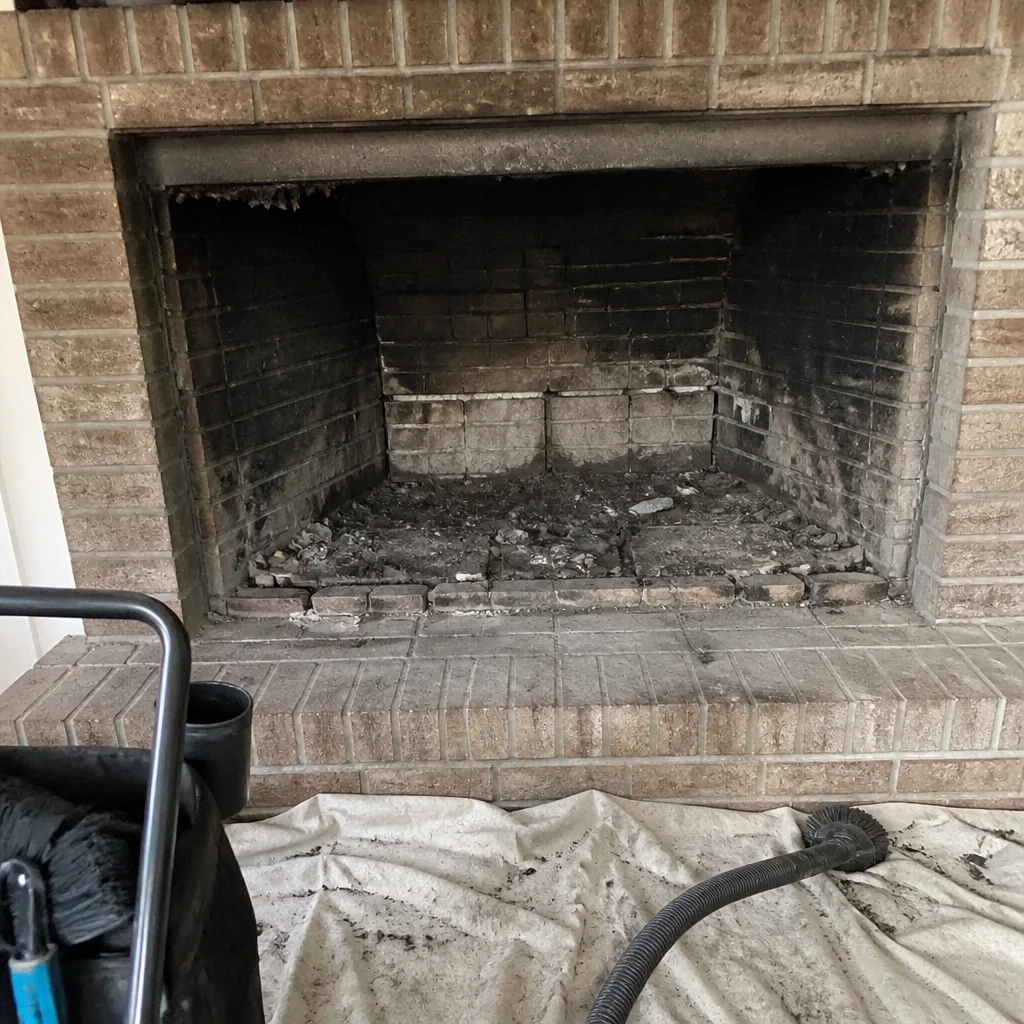
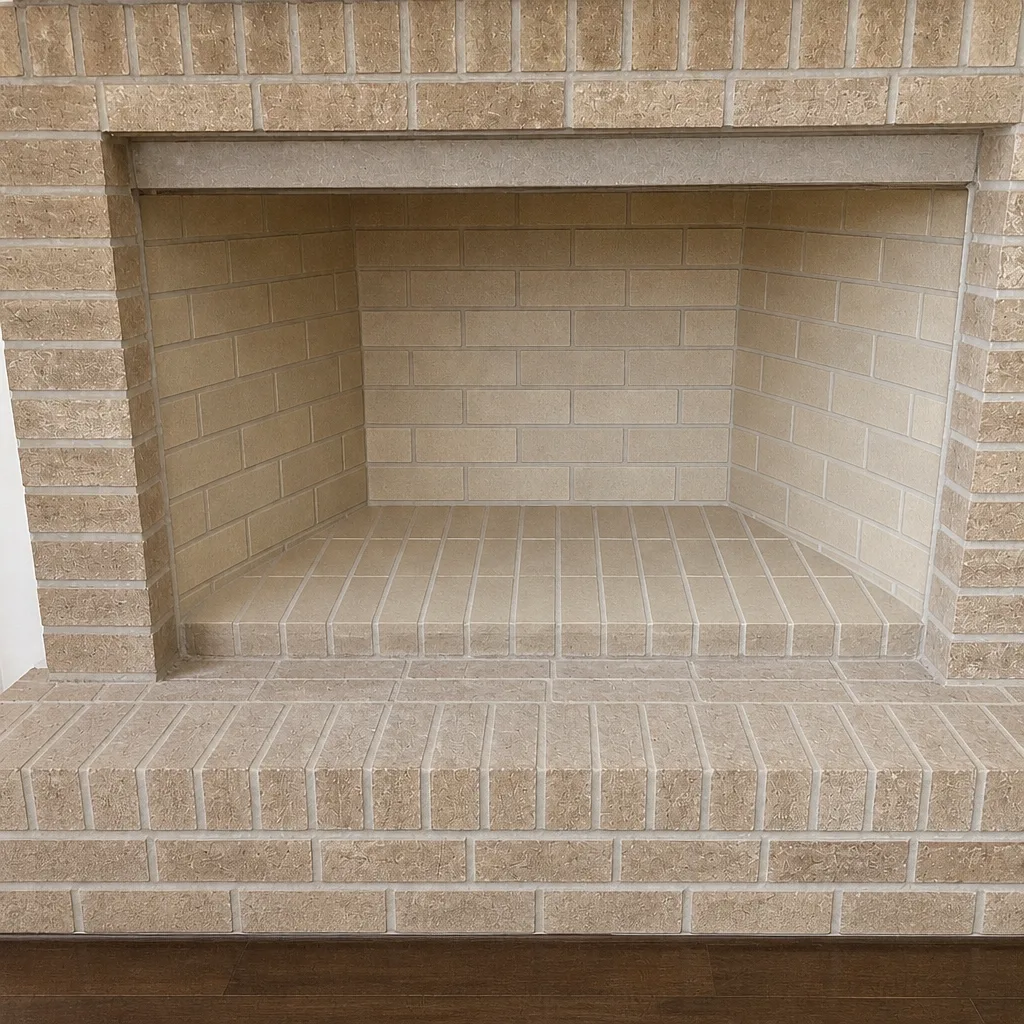
See the difference
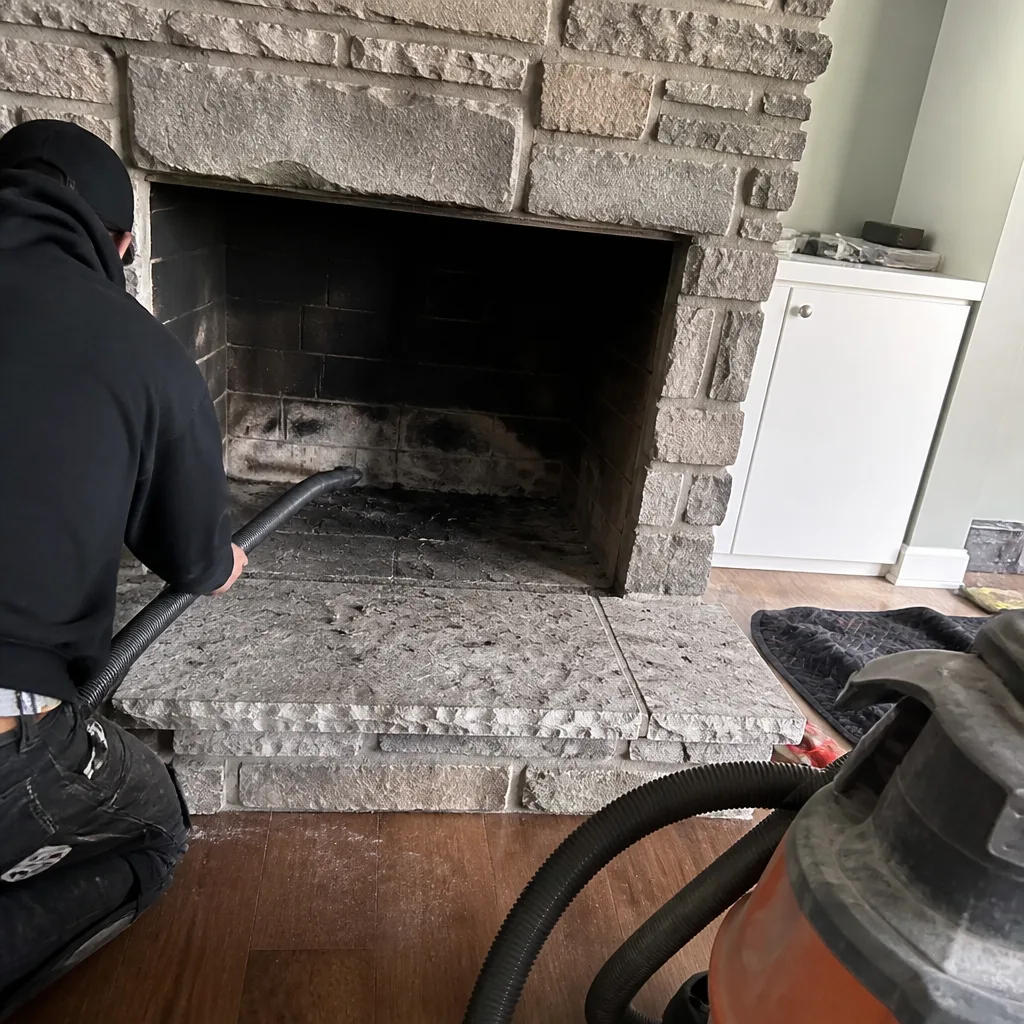 Before
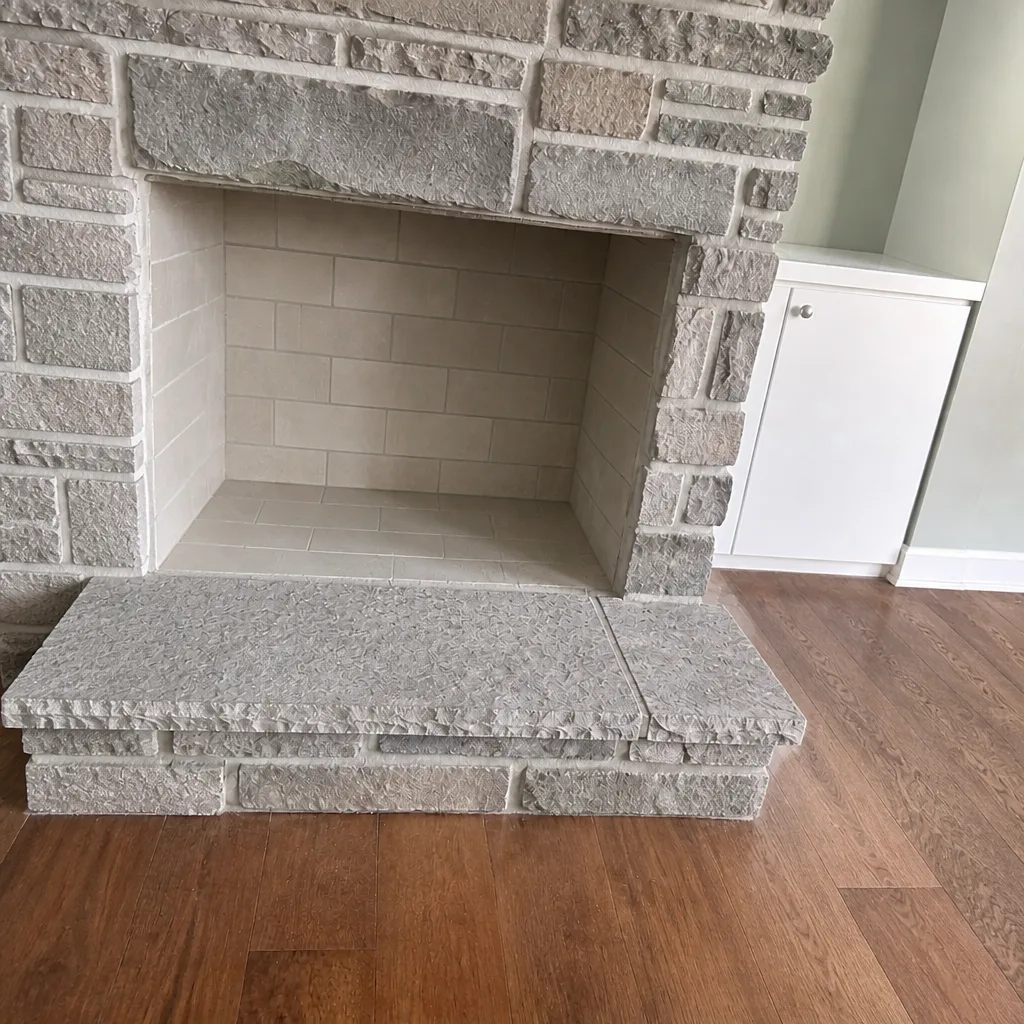 After
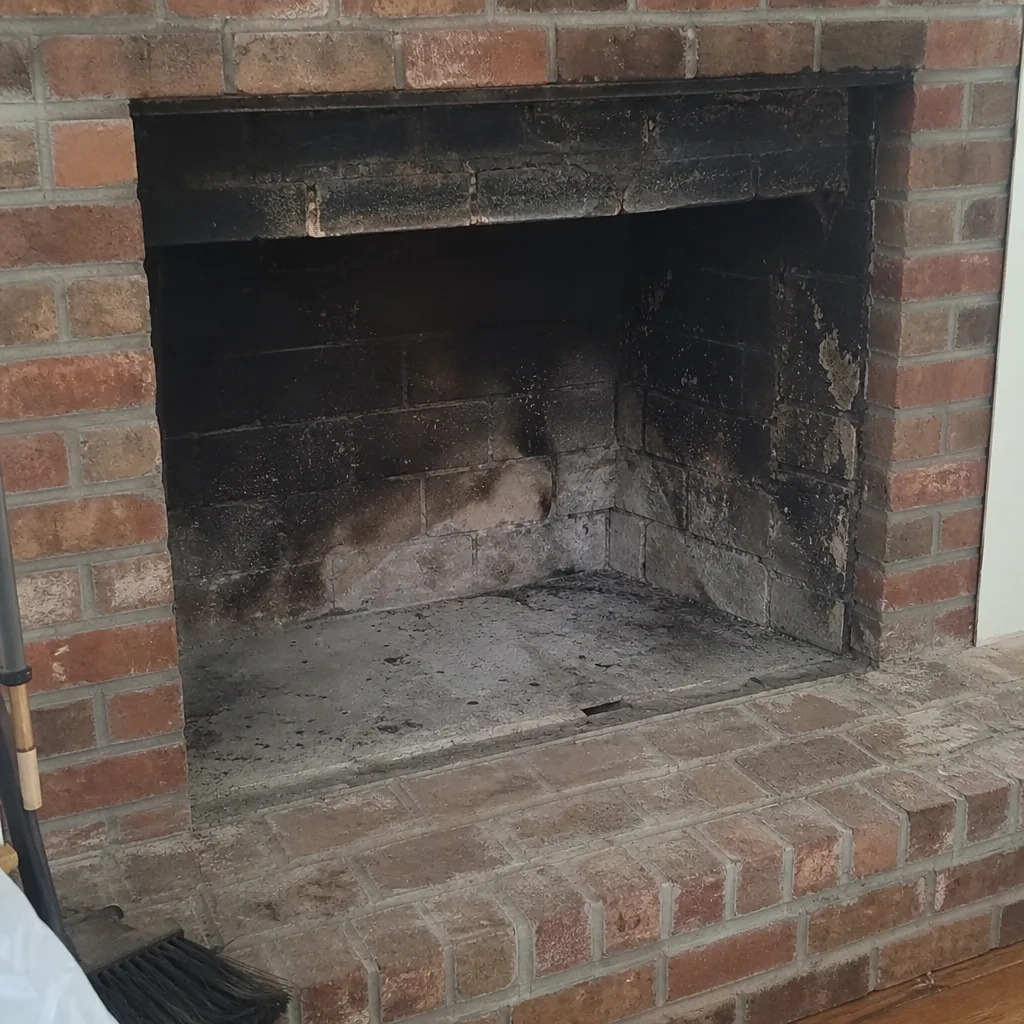 Before
 After
 Before
 After
When to Call a Professional
Call a chimney professional after any suspected fire, after any carbon monoxide alarm, when smoke comes back into the room, when the fireplace smells strongly between uses, or when you haven’t had the chimney swept within the last year of regular burning. Also call if the damper sticks, the cap looks damaged, or the masonry shows visible cracks. These are the signs that the problem is beyond a quick look. Fishers Chimney Sweep offers free estimates in Fishers: call (844) 761-5757. We answer 24/7, and fast dispatch runs from 7am to 7pm, Sunday through Friday. Our technicians have up to 14 years of experience, and the Fishers Chimney Sweep team handles sweep, inspection, and repair so you’re not bouncing between contractors when a post-fire inspection turns into real work.
Frequently Asked Questions
You often don’t know until an inspection. The loud ones leave obvious signs, but slow-burning chimney fires are silent and are usually discovered as evidence during a sweep. If you heard a rumble that didn’t match the fire, smelled something metallic, or saw smoke behave oddly, book a Level 2 inspection. Call (844) 761-5757 for an exact quote. Estimates are free.
Open a window, stop adding wood, and get everyone ready to leave if the smell worsens or a detector alarms. Smoke back-drafting into the room is a draft problem, and the safest response is to call for an inspection before lighting another fire. Call (844) 761-5757 for an exact quote. Estimates are free.
Yes. A Level 2 inspection with a camera scan of the flue is the only way to confirm the liner is intact after a fire, and it’s the step that tells you whether the fireplace is safe to use again. Skipping it means guessing. Call (844) 761-5757 for an exact quote. Estimates are free.
Once a year if you burn regularly through the season, and more often if you burn a lot of wood or notice creosote buildup. A pre-season sweep in Fishers before the cold arrives is the practical habit. Call (844) 761-5757 for an exact quote. Estimates are free.
Yes, through draft failure or incomplete combustion. If a carbon monoxide detector alarms, leave the home and call 911 or your gas utility before doing anything else. A chimney inspection afterward can identify whether the chimney was the source. Call (844) 761-5757 for an exact quote. Estimates are free.
Creosote keeps building, and the fire risk grows with it. You may also miss a cracked liner or a failing draft that was caught early. In Fishers, where the burn season can run long, one skipped year is often the one where a small issue becomes a real one. Call (844) 761-5757 for an exact quote. Estimates are free.
The Bottom Line
Chimney emergencies almost always involve a fireplace that was in use, which is why preparation beats reaction. The core habits: sweep before the season, place and test carbon monoxide detectors, check the damper and cap each fall, and treat any unusual sound or smell during a burn as a real signal. If a chimney fire is suspected, call 911, get out, and don’t use the fireplace again until a Level 2 inspection clears it. We use the brands certified chimney professionals rely on, including HeatShield and DuraFlex, when repairs are needed. Know what’s inside your chimney before winter. Call (844) 761-5757 for a free estimate. We answer 24/7. Fast dispatch from 7am to 7pm, Sunday through Friday.
Written by the team at Fishers Chimney Sweep.