
Last updated November 15, 2026
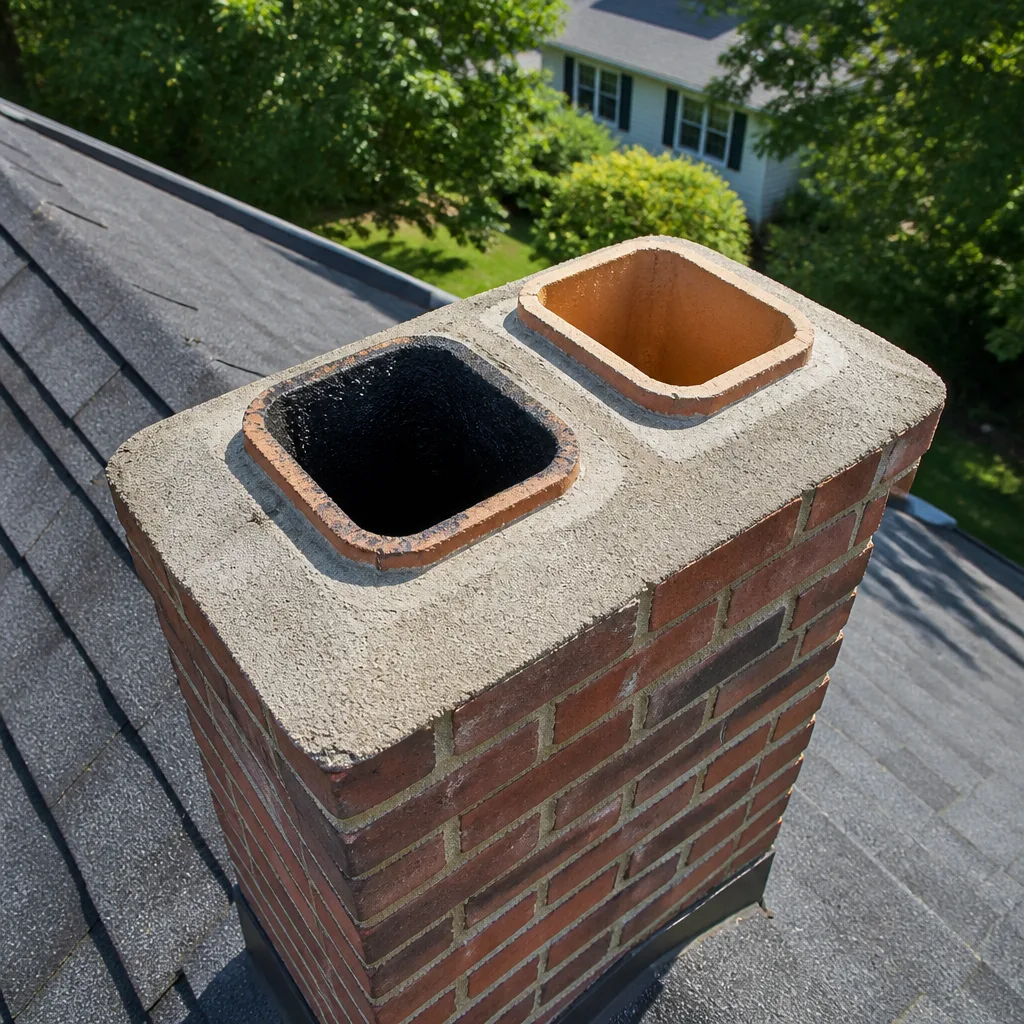 Sweep & inspection
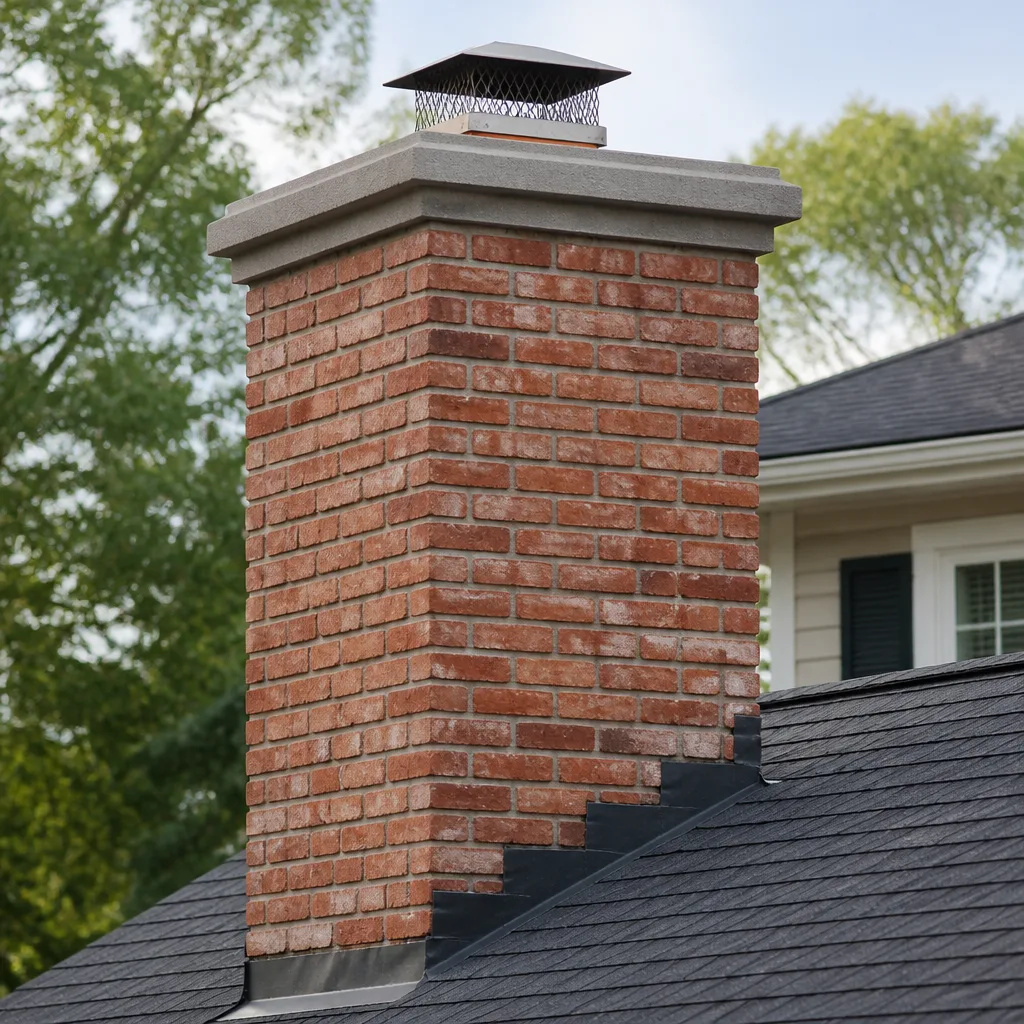 Caps & crowns
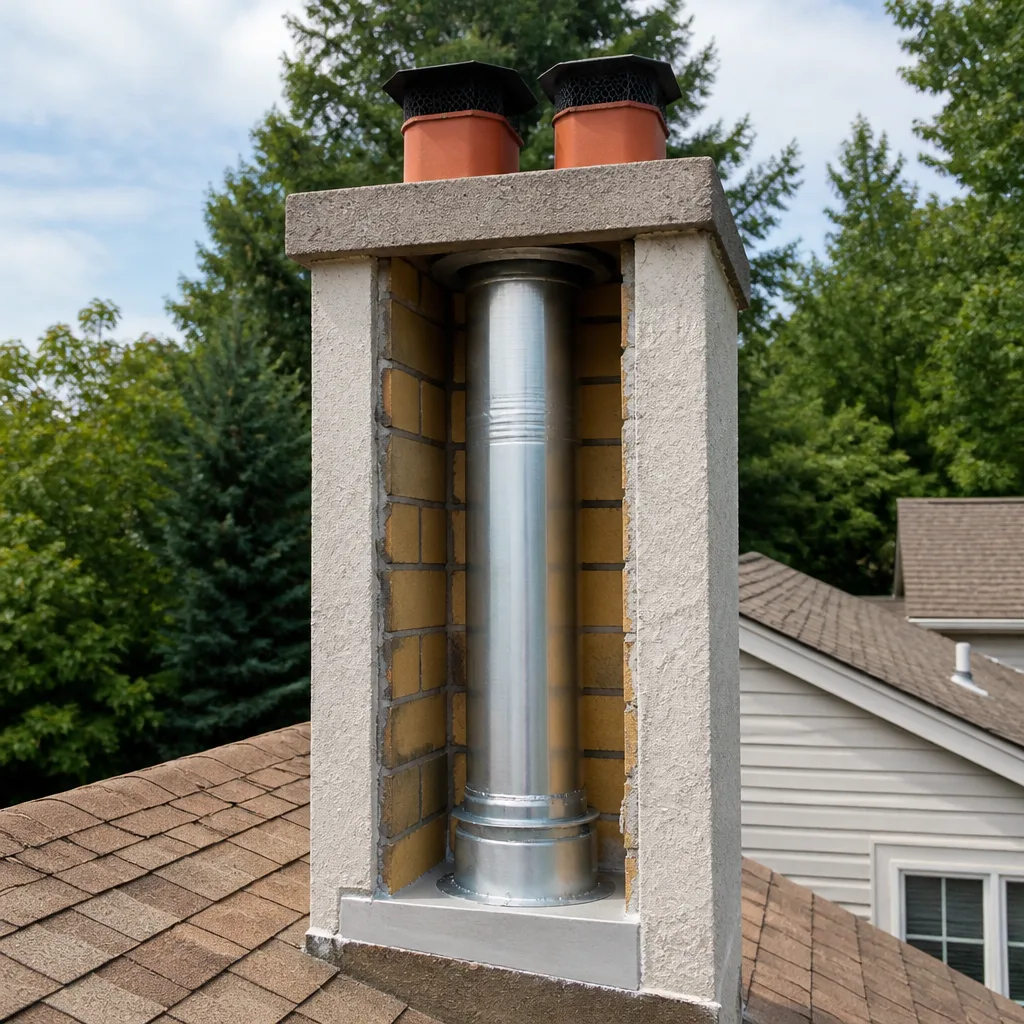 Flue relining
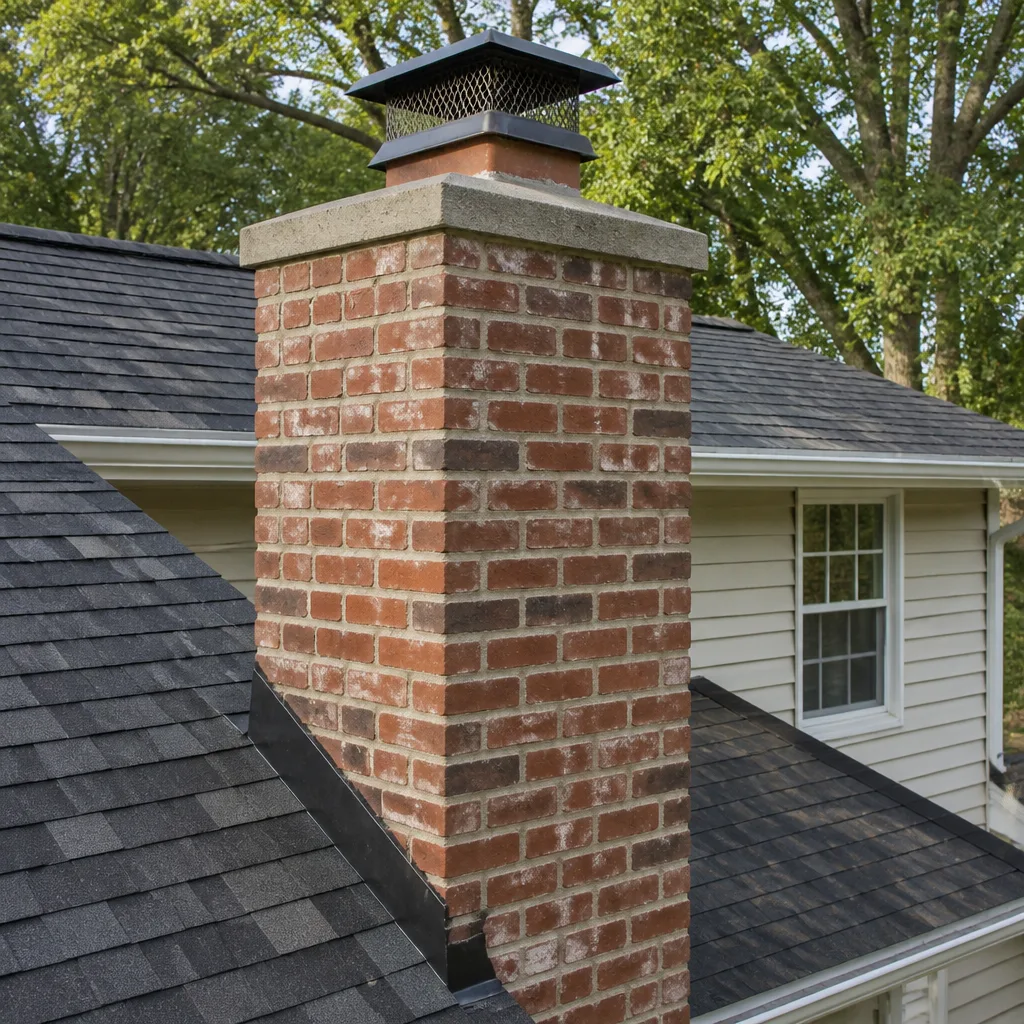 Masonry repair
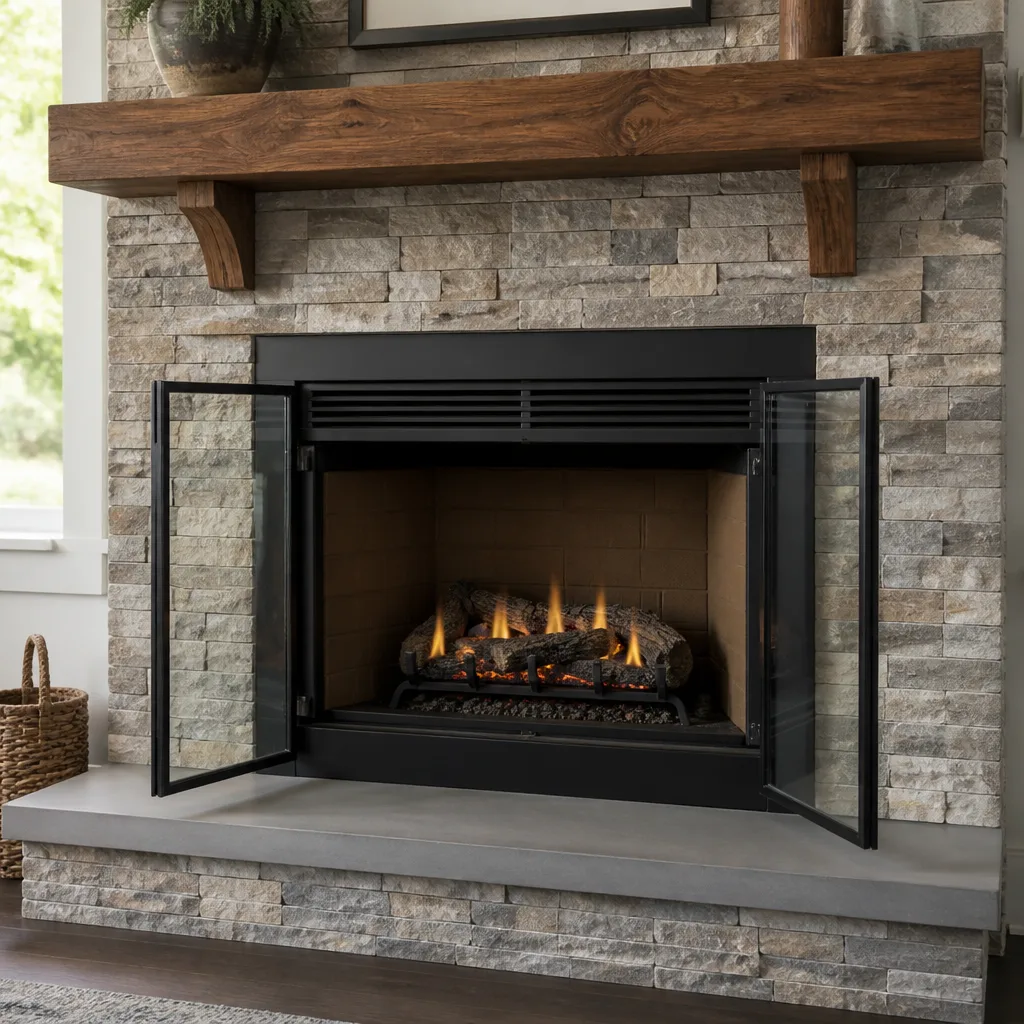 Gas fireplace service
Level 1 sweep and inspection to the NFPA 211 annual standard - flue, crown, cap, and flashing checked and photographed
Chimney sweep logs do not sweep chimneys. They loosen some creosote - which then falls where a brush and vacuum still have to collect it.
Chimney Sweep Troubleshooting in Fishers: Common Problems and How to Fix Them
If your chimney smokes into the room only on windy days, that’s not a cleaning problem. It’s a draft pressure problem, and sweeping it won’t change a thing. Homeowners in Fishers often chalk up smoke rollout, odd odors, slow fire startup and soot staining to the quirks of an older home, or to wood that wasn’t quite dry enough. Most of the time there’s a specific mechanical cause behind each symptom, and it points to one of four fixable root issues: insufficient draft, a blocked or restricted flue, a failing liner or crown, or a damper and firebox that aren’t working together. This guide walks through the diagnostic logic our technicians use on Fishers chimneys, so you can describe what’s happening accurately and avoid paying for the wrong fix.
Quick Answer
Most chimney problems in Fishers trace back to one of four causes: poor draft from pressure imbalances or a flue that’s too short for the home, obstruction from creosote, nests or debris, deterioration of the flue liner or crown, or a damper and firebox configuration that doesn’t vent correctly. Match the symptom to the cause before booking any work. If you’re seeing smoke rollout, glazed creosote or cracked flue tile, treat it as urgent and get a professional inspection rather than trying another cleaning.
Styles & brands we work with
- Sweep & inspection
- Caps & crowns
- Flue relining
- Masonry repair
- Gas fireplace service
Table of Contents
- Symptom-to-Cause: The Four Root Issues Behind Almost Every Chimney Problem
- Why Does My Chimney Smoke Only on Windy Days?
- How Fishers Home Construction Creates Draft and Pressure Problems
- What’s Causing That Chimney Smell in the Off-Season?
- One-Time Problem vs. Recurring Pattern: What the Difference Tells Us
- Pre-Call Homeowner Checklist: Five Things to Check Before You Dial
- The Two Problems That Look Minor and Require Immediate Attention
- Common Mistakes to Avoid
- When to Call a Professional
- Frequently Asked Questions
Symptom-to-Cause: The Four Root Issues Behind Almost Every Chimney Problem
The fastest way to troubleshoot a chimney is to work backwards from the symptom. Homeowners tend to describe what they see (smoke, smell, staining) and skip past the mechanical reason. A trained sweep does the reverse: symptom first, then the machinery that could produce it. In Fishers, four root issues account for the large majority of what we diagnose.
1. Insufficient draft. The chimney isn’t pulling enough air up and out. This shows up as smoke rollout when the fire is lit, a lazy flame, slow ignition, or a fire that won’t stay lit. Draft depends on flue height, flue diameter, the temperature differential between the flue and the outside air, and how the house itself moves air.
2. Blocked or restricted flue. Something is in the way. Creosote buildup, a bird or squirrel nest, fallen leaves, a collapsed tile, or a poorly fitted cap can all narrow the passage. Symptoms include smoke backing into the room, a smell that gets worse after rain, and a fire that draws well at first and then chokes.
3. Failing liner, crown or masonry. The structure that contains the fire and vents the exhaust is deteriorating. Staining on the firebox walls, crumbling mortar joints, a crown with visible cracks, or rust on a prefab chase top are the usual clues. This is where repairs like resurfacing with HeatShield or relining with DuraFlex come into play, and it’s the category most often misread as a cleaning issue.
4. Damper and firebox mismatch. The damper may be stuck, warped, missing, or open too wide for the firebox size. A firebox that’s been modified (glass doors added, a grate swapped out, a wood insert retrofitted) can change how the chimney vents. Symptoms include smoke that appears only when the fire is building, or a fire that burns too hot or too cool.
Mapping symptom to cause this way means we walk into a Fishers home knowing roughly what to test before anyone climbs on the roof. It also means we can tell you when the fix is simple, when it’s structural, and when it’s just a habit change with the damper.
Why Does My Chimney Smoke Only on Windy Days?
Because wind is a pressure event, not a cleanliness event. When the wind hits the side of a two-story Fishers home, it creates high pressure on the windward face and low pressure on the leeward face. That pressure difference travels through the house and can push air back down the chimney if the flue doesn’t have enough upward pull to fight it. A clean flue with weak draft smokes exactly the way a dirty one does on a gusty day.
This is why a sweep that only cleans and leaves can’t solve a wind-only problem. The symptom points to one of these causes:
- Flue termination is in a pressure zone. A chimney that ends below the ridge line of a nearby roof, or right next to a taller gable, sits in turbulent air. The fix is usually a taller termination or a different cap configuration.
- Flue is too short for the home. An undersized flue can’t overcome the pressure the wind creates. Height and diameter both matter, and correcting this often means extending the flue or relining it to a proper size.
- House is too tight to supply makeup air. Modern Fishers homes built to tighter air-infiltration standards can’t feed the fire fast enough. The chimney pulls combustion air from wherever it can, sometimes down another flue or through a bath fan.
- Cap is the wrong type or clogged. A rain cap with a tight mesh loads up with creosote or frost and restricts the flue. This makes wind-driven smoke worse because the flue has no margin left.
If the smoke appears on gusty days only, an inspection is the right first step, and the finding usually leads to a draft fix rather than a sweep. Schedule a chimney sweep and inspection together so we can clean what needs cleaning and diagnose the pressure problem at the same time. If your home sits under tall shade trees in Fishers, that adds turbulence and makes the effect more noticeable.
How Fishers Home Construction Creates Draft and Pressure Problems
The building stock in Fishers is unusually varied for a city its size, and that variety explains a lot of the chimney complaints we hear. Homes built in the newer subdivisions along the northeast and east sides of Fishers tend to be tight, well-insulated and sealed at the envelope. Older properties closer to the historic center and around the older neighborhoods have the opposite problem: drafty, loosely sealed, and prone to making a fire burn hot and fast or struggle depending on wind direction.
Three local patterns create specific chimney issues:
- Tighter modern builds. New construction in Fishers is sealed well enough that a wood fire can starve for combustion air. The symptom is a fire that won’t stay lit, soot on the glass doors, and smoke that rolls out into the room when the fire is first lit. Correcting this is about makeup air, not cleaning.
- Tall shade trees. Mature trees on Fishers lots look great and help with summer cooling, but they create turbulence and low-pressure zones over the roof. Chimneys on homes surrounded by big oaks and maples frequently terminate right into that turbulence. A taller termination or a different cap design can calm the flue significantly.
- Two-story open floor plans. Fishers homes with vaulted great rooms and open loft spaces have more interior air volume connected to the fireplace. When the fireplace is lit, the house can pull air down through a second flue or an unused basement flue. The result is a smoky, stubborn draft that has nothing to do with what’s inside the flue itself.
The takeaway here is that a Fishers chimney problem can be a house problem. If you’re in one of the newer subdivisions and your fire is reluctant, we diagnose the house’s air balance before recommending a liner. If you’re in an older Fishers neighborhood and the flue is draughty but the fire burns well, the fix may be as simple as a damper adjustment and a proper top-sealing cap.
What’s Causing That Chimney Smell in the Off-Season?
Chimney odor in spring and summer is almost always a creosote and moisture problem, not a sign that a fire was left burning. Creosote is what condenses on the inside of the flue when smoke cools before it reaches the top. It’s acidic and it holds moisture. When the weather turns humid, the creosote reabsorbs water, and the smell you get is that mix of soot, vinegar and old fire moving back down into the room.
In Fishers, this shows up most in homes that burn a lot in winter and then sit empty of fires from May through September. The humidity in Indiana summers is high enough that a thin creosote layer can smell strong even when there’s no visible buildup on the firebox walls. The other common source is a damper that’s been left slightly open, which lets house air flow freely up the flue and back down carrying the smell.
What the smell usually means:
- Thin creosote layer with moisture load: the most common cause of a smoky, sour smell. A proper sweep, followed by a check of the cap and crown for leaks, usually solves it.
- Damper slightly open: check the damper position first. It should be fully closed when no fire is lit.
- Water intrusion: moisture getting in through a cracked crown, an unsealed flashing, or a rusted chase top. That smell is damp masonry, not just creosote. If the flue is a prefab metal chimney, the top can rust, and a replacement with something like an Olympia Chimney top can solve a chronic smell.
- Animal activity: a nest or droppings in the flue can cause a persistent organic smell. If you see feathers or nest debris near the firebox, this is likely the cause and the flue needs clearing and inspecting.
If the smell comes back after every sweep, the flue itself needs a closer look. Resurfacing the flue with HeatShield can seal a porous flue tile and lock down the smell, and we’ll only recommend that after we’ve seen the tile with a camera. Book chimney repair once we’ve confirmed what’s causing the smell, not before.
One-Time Problem vs. Recurring Pattern: What the Difference Tells Us
This is the single most useful distinction you can bring to a phone call or an inspection. A one-time problem is something that started recently and has a clear trigger: a windstorm, a cold snap, an extremely cold night that pulled the draft down, a bird that got in, a piece of junk wood that smoked the room out. A recurring pattern is something that happens again and again under similar conditions: always on windy days, always on the first fire of the season, always in cold rain, always when someone turns on the dryer.
The distinction tells a chimney sweep a lot before we even open the door:
- One-time, no pattern: the chimney is probably fine and the issue was environmental. Good time to book a routine inspection, but don’t assume a problem.
- Recurring under specific weather: almost always a draft or pressure issue, addressed with a termination, cap, or makeup air solution, not a cleaning.
- Recurring at every fire: obstruction, damaged liner, or a firebox mismatch. This is the category that most often turns out to be fixable with a liner resurface (HeatShield) or a reline (DuraFlex).
- Recurring in humid weather only: creosote smell and moisture intrusion. Cap and crown check, sweep, and if needed a flue seal.
- Recurring only after a specific appliance runs: house pressure imbalance from a bath fan, dryer, or kitchen hood. This is a building-air issue and a professional visit is the right way to confirm it.
When you call, lead with the pattern instead of just the symptom. “Smokes on windy days only” tells us more than “smokes a lot.” If you can name the conditions, we can often tell you what the likely fix is before we arrive.
Pre-Call Homeowner Checklist: Five Things to Check Before You Dial
Running through these five checks takes about ten minutes and narrows the diagnosis significantly. None of them require going on the roof or opening the flue. If you’re not sure what you’re looking at, skip the check and call. The point is to give us a clearer picture, not to do the diagnosis yourself.
- Check the damper position. It should be fully open when a fire is lit and fully closed when the fireplace is unused. A partially open damper can cause smoke rollout, a weak fire, and off-season odor. If the damper is stuck or won’t fully close, note that.
- Note the outside temperature differential. A chimney needs a temperature difference between the flue and the outdoor air to pull a draft. On a mild 55-degree day with a 70-degree house, the chimney may not draft at all, even if it’s perfectly clean. Cold outside air is the chimney’s friend. Try a small test fire on the first cold day of the season and see if the behavior changes.
- Think about recent renovation activity. A new furnace, water heater, kitchen hood or bath fan changes the house’s air balance and can rob the chimney of draft. If a chimney problem showed up soon after a renovation in Fishers, that’s the first place to look.
- Look at the firebox interior. Note any dark staining on the firebox walls above the fire, crumbling mortar, rust on prefab panels, or a missing damper. Look for white chalky deposits, which point to moisture. Don’t try to clean or repair anything inside the firebox yourself.
- Check what the fire is doing. Is the flame lazy, roaring, smoking, or flickering? Does the fire go out on its own? Does the smoke roll out when you first light it and then stop? Each of these points to a different category of problem.
Two checks belong on the roof and not on this list: the crown condition and the cap. Leave those for the inspection. Anyone climbing on a pitched roof to look at a cap in Fishers wind is taking a real risk, and there’s no reason to.
The Two Problems That Look Minor and Require Immediate Attention
Active creosote glazing. Stage three creosote looks like a shiny, hardened tar coating on the inside of the flue. Homeowners often mistake it for wet soot, assume it’ll burn off, and skip the sweep. It doesn’t burn off. Glazed creosote is the most flammable stage and the main reason chimney fires happen, and once it’s baked onto the flue tile it can’t be removed with a standard brush. A professional sweep needs to chemically treat it, and if the flue tile is cracked or heavily damaged, resurfacing with a product like HeatShield or relining with a DuraFlex liner is the correct repair. If you can see shiny black coating inside the firebox or at the smoke chamber, treat it as a priority, not a routine booking.
Cracked flue tile. A hairline crack in the flue tile looks insignificant from inside the firebox, and you may only notice it if you happen to shine a light up the flue. But a cracked tile lets heat, smoke and carbon monoxide move past the flue and into the surrounding masonry and the structure of the house. That’s a fire hazard and a carbon monoxide hazard. It cannot be patched from the firebox, and it doesn’t heal. The fix is professional, and it’s a resurface or a reline, not a sweep. If you’ve had a chimney fire or a sudden smoking event, this is the first thing an inspection checks.
Both of these are exactly the kind of thing a Fishers homeowner can’t confirm from the firebox, which is why we shoot a camera up the flue and share what we see before recommending any repair. You should be able to look at the evidence yourself and decide.
Common Mistakes to Avoid
- Assuming a smoke problem is a cleaning problem. A lot of Fishers smoke complaints start as a draft issue, not a creosote issue. Cleaning a clean flue won’t help, and if you’ve already had a sweep in the last year, draft is the first suspect.
- Burning green or unseasoned wood. Wood that hasn’t been dried properly smokes hard and deposits creosote faster than dry wood. Indiana hardwood needs a full season to dry, and buying it “seasoned” doesn’t guarantee it’s ready. Split a piece and feel the inside. If it’s cool and damp, it needs more time.
- Opening glass doors on a fireplace insert mid-fire. Inserts are designed to burn with the doors closed. Opening them can pull smoke into the room and disrupt the draft. Use the air control to adjust the fire.
- Skipping the annual inspection because the fire “looked fine.” Cracked tile, early glazed creosote, and failing crowns are all invisible from where you sit. A yearly inspection catches them while they’re cheap to fix.
- Sealing a tight Fishers home even tighter without addressing makeup air. If you’ve done an energy retrofit that tightened the envelope, give the chimney a thought. The fireplace needs to breathe, and a house that’s fully sealed can starve a wood fire.
- Trying to fix a chimney from the firebox. Firebox tile and flue tile are different systems. A repair that happens down at the firebox doesn’t solve a flue problem, and the fire hazard is in the flue.
- Relighting a fire after a chimney fire without an inspection. Even a small chimney fire can crack flue tile. The chimney looks fine and isn’t. Get it inspected before the next fire.
None of these mistakes are unusual. We see them on Fishers calls all the time, and none of them mean the homeowner did something wrong. They mean the chimney’s internal state is easy to guess at and hard to confirm without a trained eye and a camera.
When to Call a Professional
Call a professional if you see glazed creosote, cracked flue tile, staining on the firebox walls, crumbling mortar, or a crown with visible cracks. Call if the chimney smells persistently in the off-season, if smoke rolls into the room more than once, if you’ve had a chimney fire, or if it’s been more than a year since your last inspection. Call if you’re not sure what you’re looking at. A trained sweep can confirm what’s going on with a camera and share the footage with you before recommending anything.
Fishers Chimney Sweep offers free estimates in Fishers, and our technicians have up to 14 years of experience with the full range of residential chimney problems. We’re a Fishers Chimney Sweep specialist, not a generalist who adds chimney work to an HVAC or handyman list, so every step from sweep to inspection to repair is handled by the same team. Call (844) 761-5757 for a free estimate. We answer 24/7. Fast dispatch from 7am to 7pm, Sunday through Friday.
Frequently Asked Questions
A standard chimney sweep in Fishers typically runs in the range of an ordinary service call, and the written estimate sets the final price. We don’t quote over the phone because the price depends on the flue configuration and whether a camera inspection is added. Call (844) 761-5757 for an exact quote. Estimates are free.
Sometimes, but not nearly as often as homeowners fear. A liner needs replacing when the flue tile is cracked beyond resurfacing, when the flue is the wrong size for the appliance, or when a prefab chimney’s metal liner has failed. A porous but intact tile can often be resurfaced with HeatShield, and a flexible reline with DuraFlex is the right call only when resurfacing won’t hold. We confirm with a camera before recommending either. Call (844) 761-5757 for an exact quote. Estimates are free.
A wood-burning chimney should be inspected once a year and swept whenever the creosote layer reaches about a quarter inch, which for many Fishers households means an annual sweep during the burning season. Gas and oil appliance flues need an annual inspection too, on a different schedule. If you burn often, you may need two sweeps a year. Call (844) 761-5757 for an exact quote. Estimates are free.
Two things can go wrong. Creosote accumulates in the flue and can ignite into a chimney fire, and damage to the flue tile lets carbon monoxide move into the house. Skipping a sweep doesn’t produce a problem every time, but it removes the margin. Call (844) 761-5757 for an exact quote. Estimates are free.
Because wind creates pressure, and a flue with weak draft can’t fight it. The fix is usually taller termination, a different cap, or makeup air, not a sweep. A camera inspection confirms which one. Call (844) 761-5757 for an exact quote. Estimates are free.
Look at the pattern: recurring under specific weather points to draft, recurring at every fire points to obstruction or a damaged liner, and off-season odor points to creosote and moisture. A camera inspection settles the question. We show you the footage and let you see what we see. Call (844) 761-5757 for an exact quote. Estimates are free.
The Bottom Line
Most chimney complaints in Fishers have a specific, diagnosable cause. Wind-only smoke is a draft and pressure problem, not a cleaning problem. Off-season odor points to creosote and moisture. Recurring trouble at every fire points to obstruction or a damaged liner, and the two findings that look small but aren’t (glazed creosote and cracked flue tile) both need professional attention before the next fire. Match the symptom, run the checklist, and get a camera inspection to confirm. Our technicians have up to 14 years of experience, we use professional-grade products from brands like Gelco, Famco and Olympia Chimney, and Fishers homeowners can see the evidence before deciding on any repair. If you’re in Fishers and something doesn’t feel right about your chimney, we’re glad to take a look.
Written by the team at Fishers Chimney Sweep.
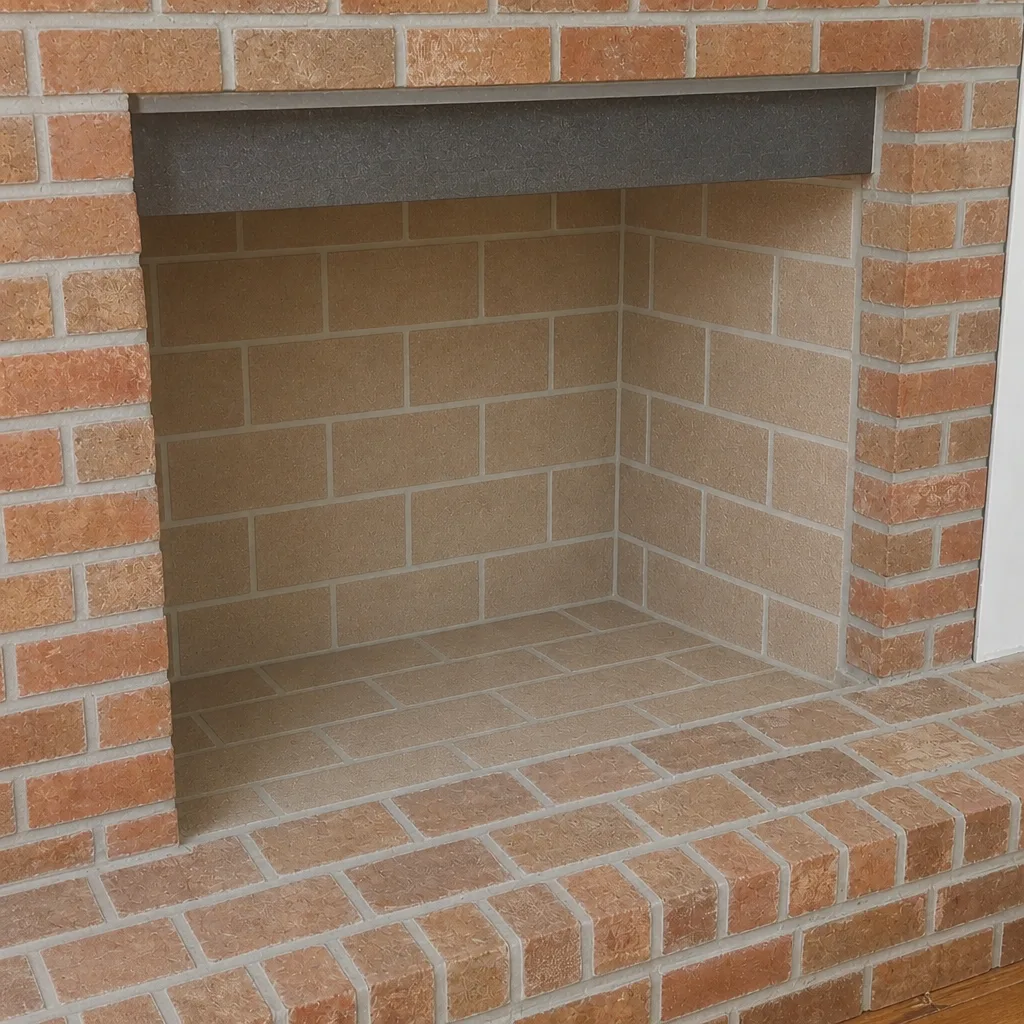
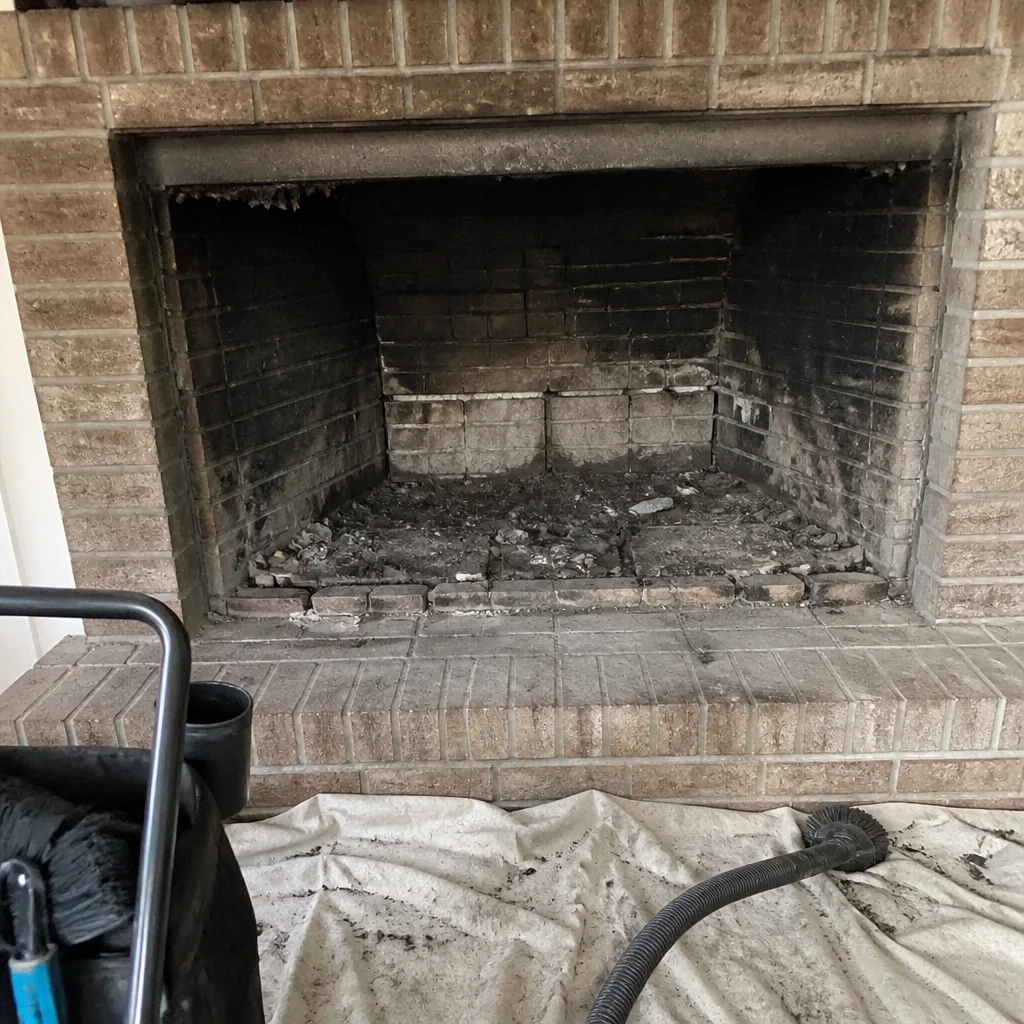
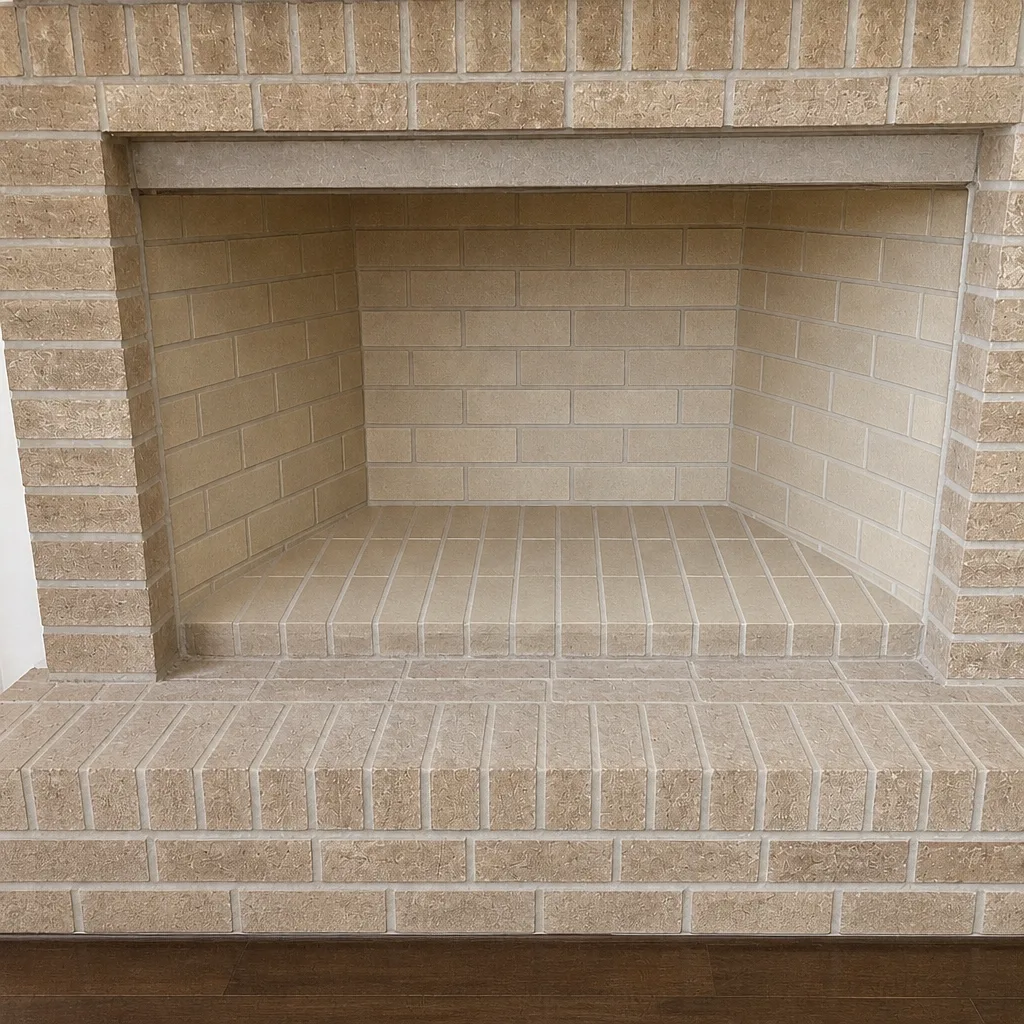
See the difference
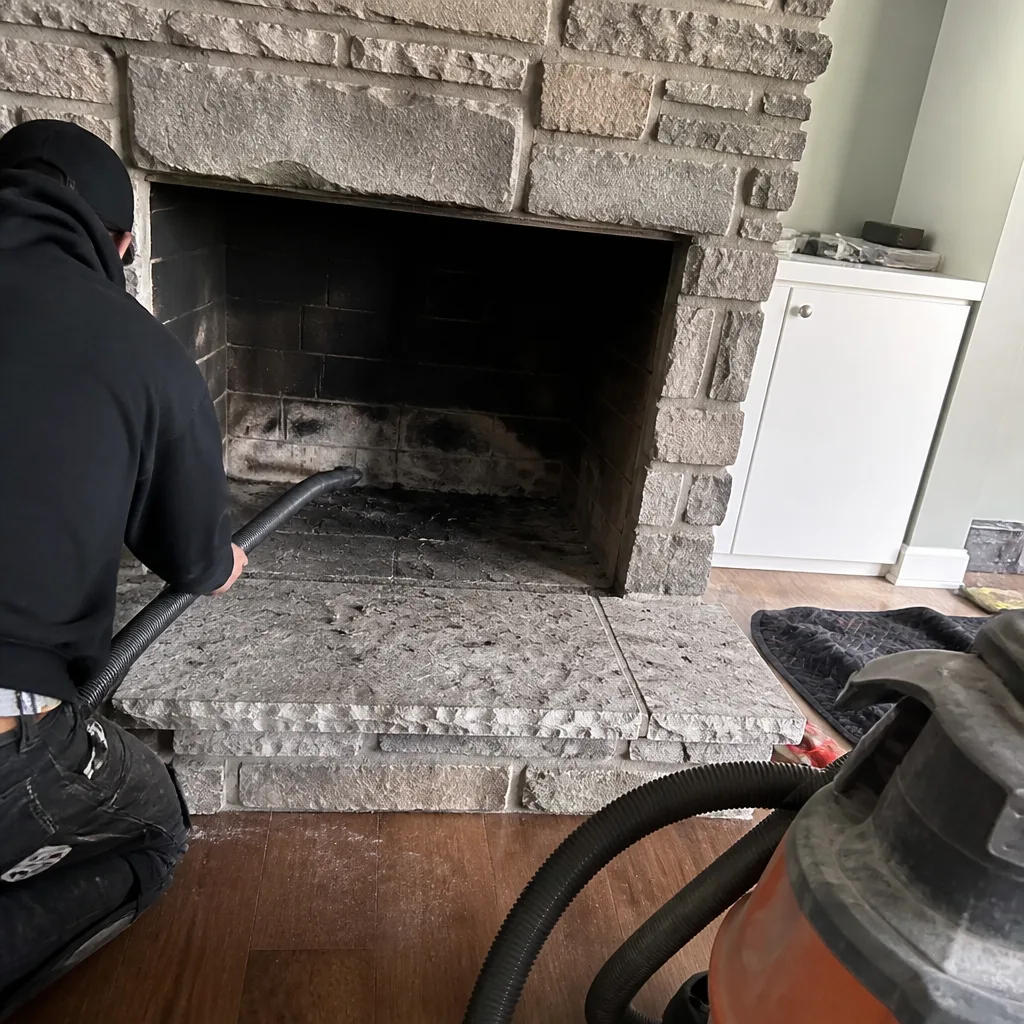 Before
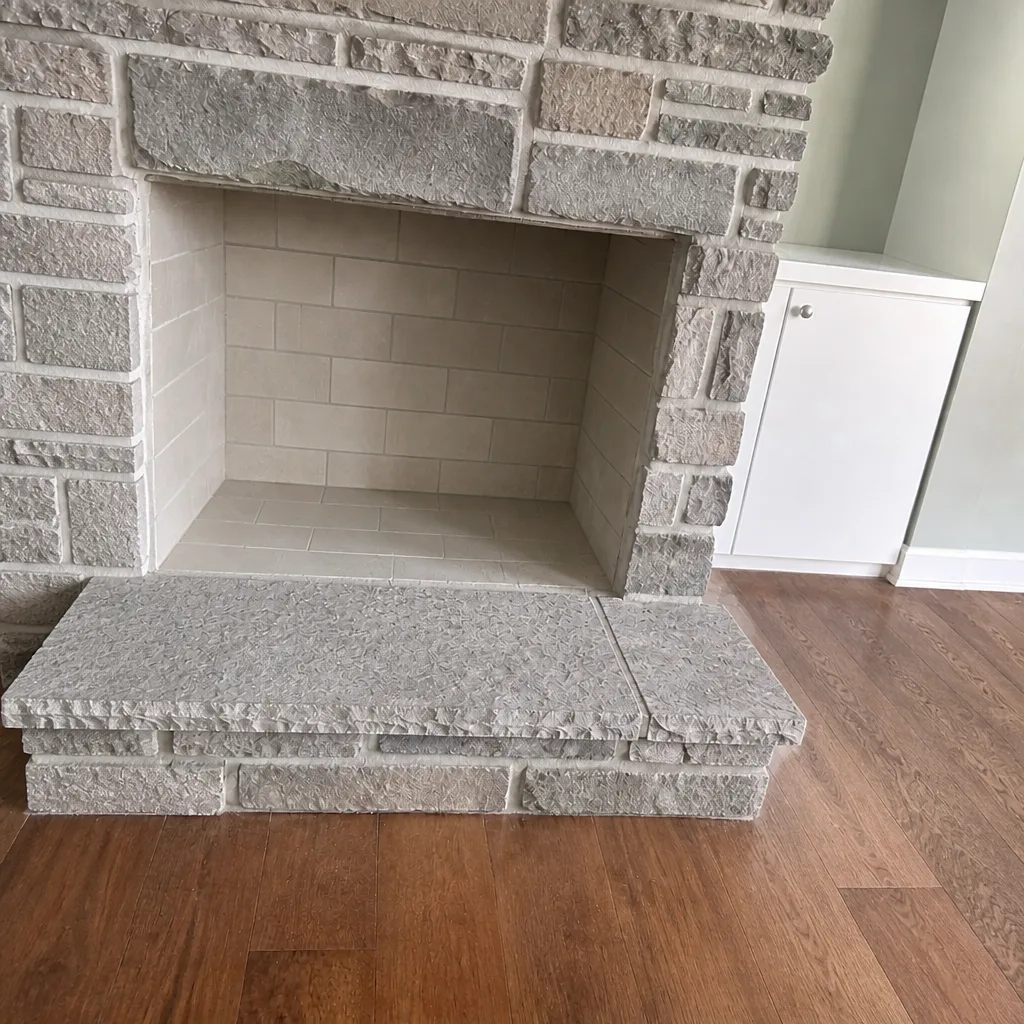 After
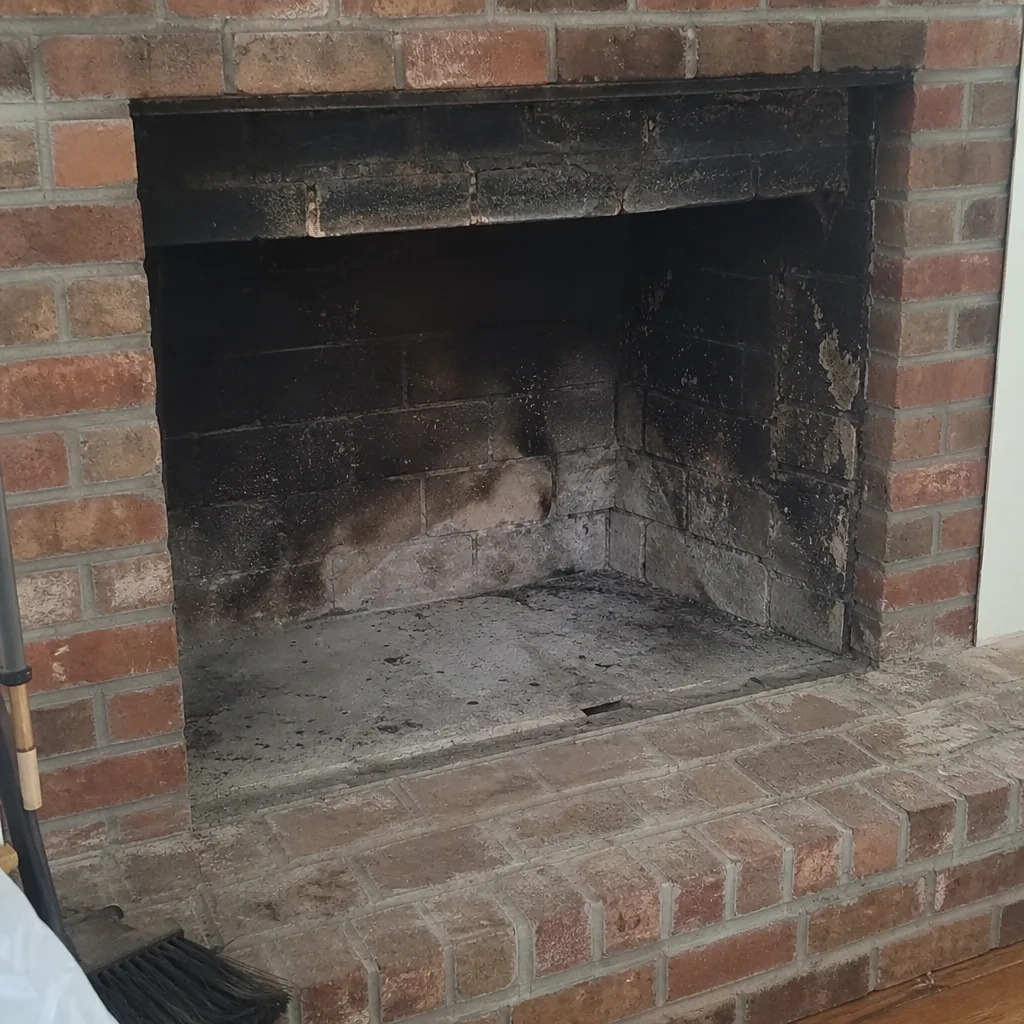 Before
 After
 Before
 After