
Last updated November 15, 2026
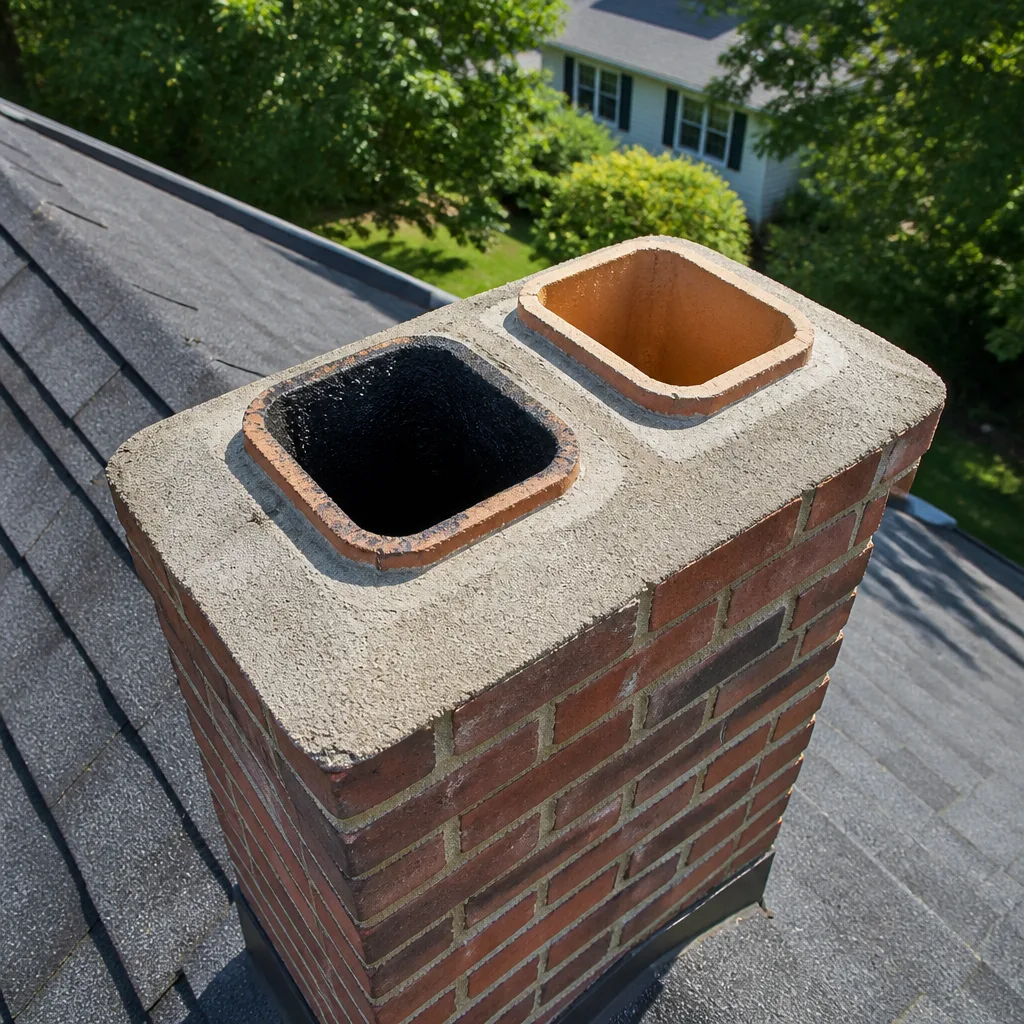 Sweep & inspection
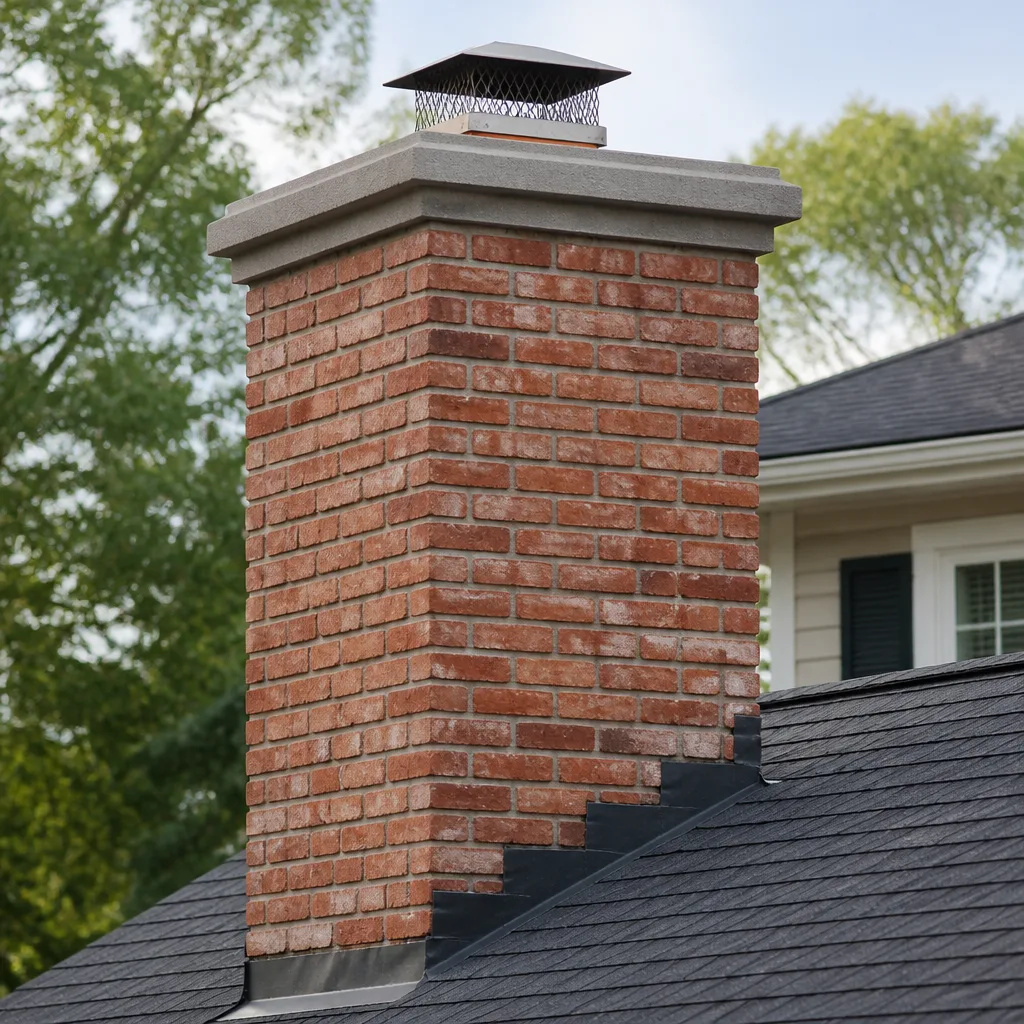 Caps & crowns
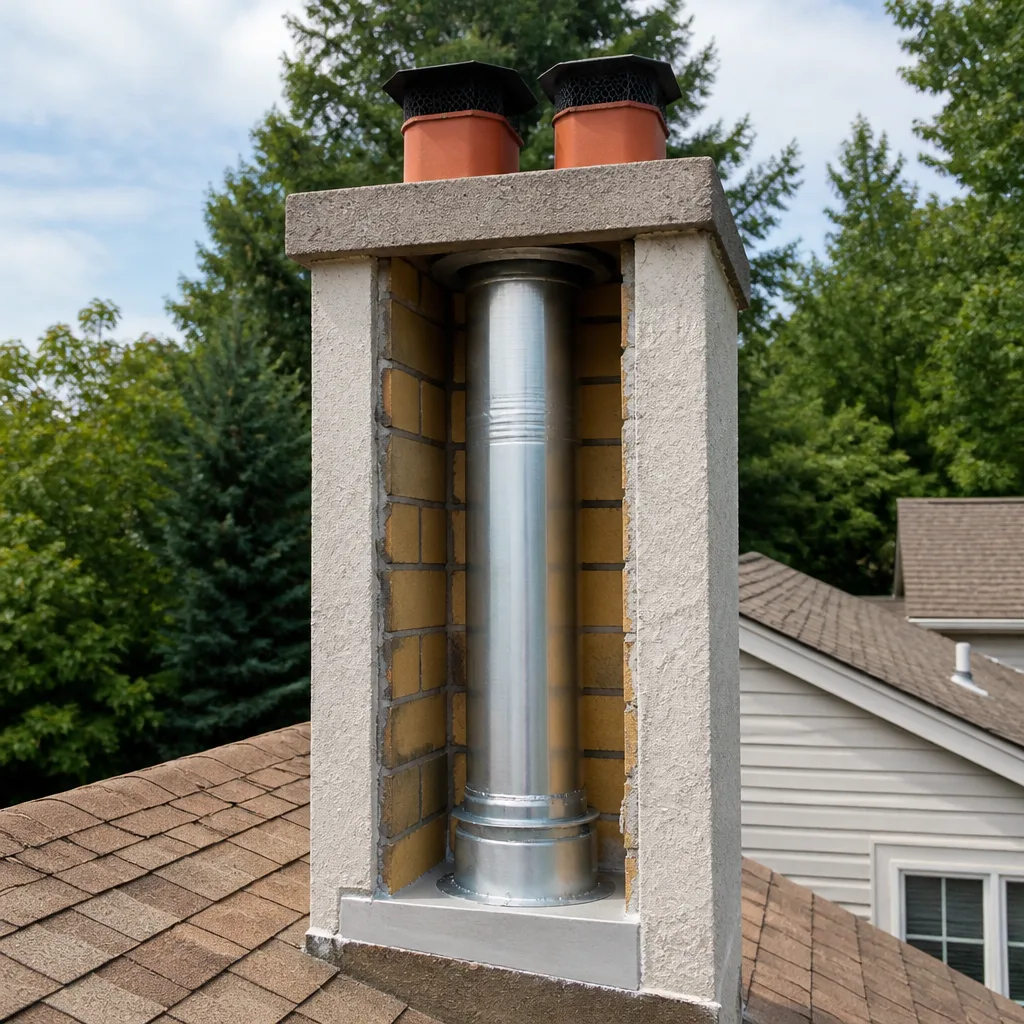 Flue relining
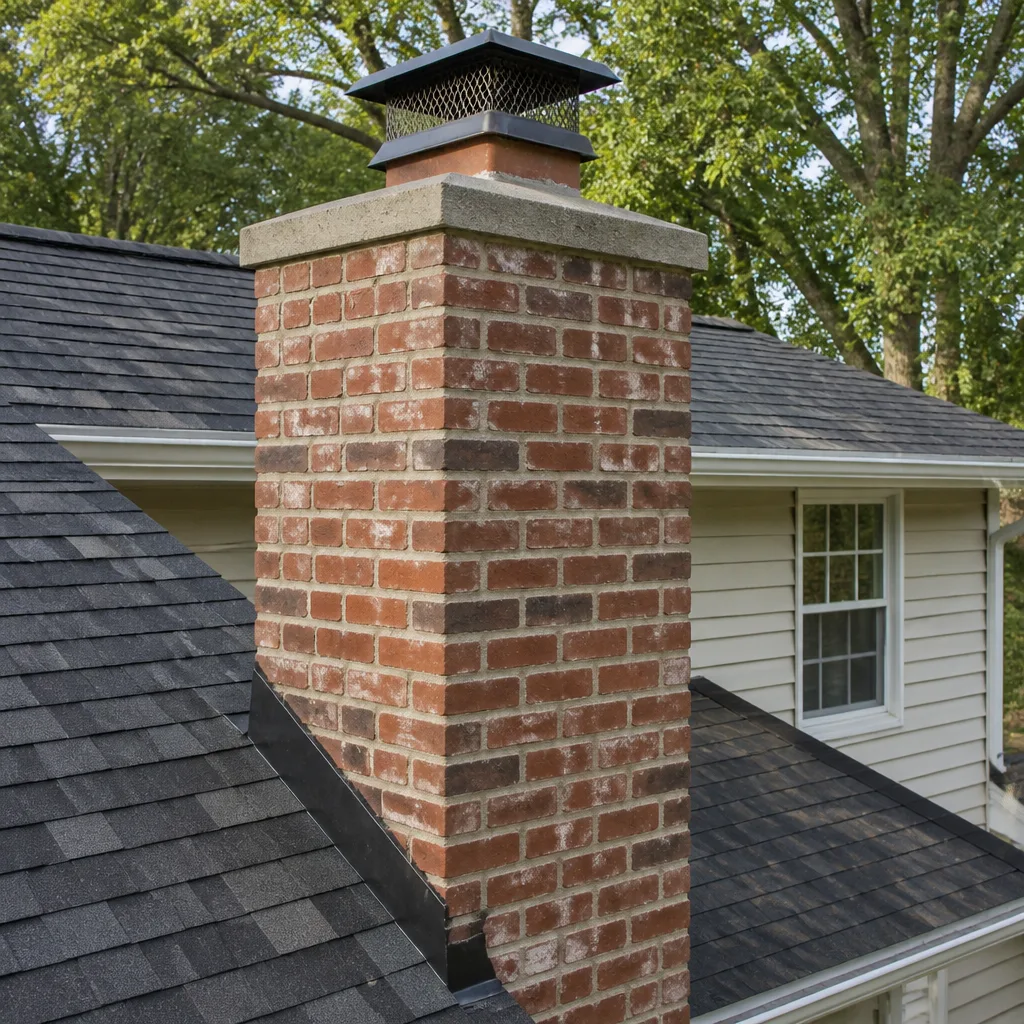 Masonry repair
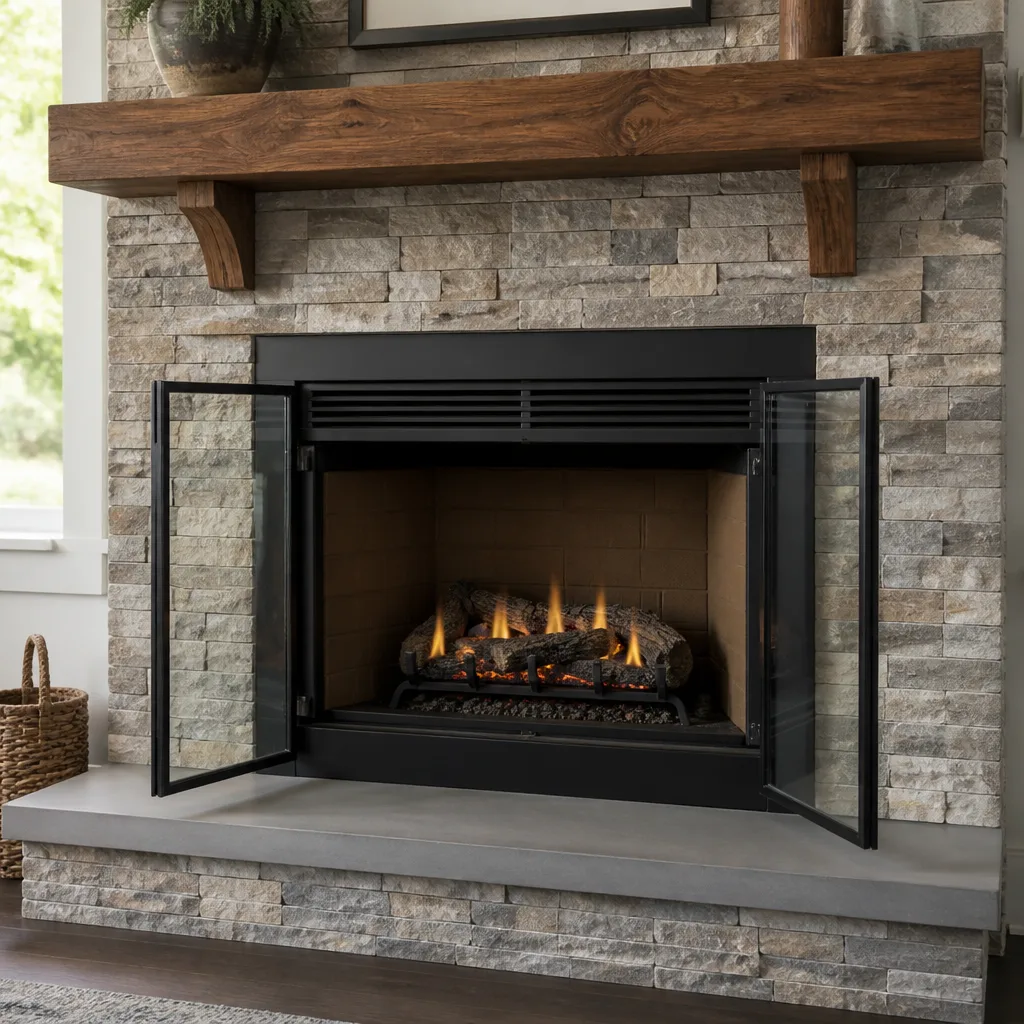 Gas fireplace service
Level 1 sweep and inspection to the NFPA 211 annual standard - flue, crown, cap, and flashing checked and photographed
Chimney sweep logs do not sweep chimneys. They loosen some creosote - which then falls where a brush and vacuum still have to collect it.
Chimney Sweep Maintenance Checklist for Fishers Homeowners
Most homeowners treat their chimney like a smoke detector: they ignore it until something goes wrong. The truth is, the sweep itself is one day a year. The other 364 days are where problems actually get caught or missed. The question isn’t whether your chimney needs cleaning, it’s whether you’re watching the right signals between cleanings to catch problems before they compound. Odor shifts, draft changes, discoloration on brick, a cap that suddenly sits crooked after a storm: these are readings, and they mean something. This guide gives Fishers homeowners the same observation checklist a chimney specialist uses as a baseline, so you walk into every appointment with a year of notes instead of no idea what’s been happening.
Quick Answer
A chimney maintenance checklist is a year-round observation log, not just a reminder to book a sweep. For Fishers homeowners, it should cover month-by-month draft and odor observations during heating season, safe ground-level exterior checks on the crown, flashing, mortar and cap, and a written record you bring to your annual sweep. Anything involving the flue interior, firebox cracks you can see, or a changed draft pattern belongs in a professional inspection.
Styles & brands we work with
- Sweep & inspection
- Caps & crowns
- Flue relining
- Masonry repair
- Gas fireplace service
Table of Contents
- Why a Checklist Beats a Reminder Calendar
- Month-by-Month Observation Tasks for Fishers
- What to Log After Every Fire
- Ground-Level Exterior Checkpoints
- How to Document Findings Over Time
- What Can Wait vs. What Needs a Pro
- What Happens During an Annual Sweep and Inspection
- Common Mistakes to Avoid
If you’d rather skip the reading and just get your chimney looked at, chimney sweep service for Fishers homes is the place to start. Otherwise, keep going, this checklist is worth the ten minutes.
Why a Checklist Beats a Reminder Calendar
A calendar reminder tells you to call someone in October. A checklist tells them something useful when they arrive. That difference matters more than most homeowners realize. When we inspect a chimney in Fishers, the first thing a technician is trying to establish is a baseline: how did this flue behave last year, how does it behave now, and what changed in between. If nobody has been watching, the answer is “we don’t know,” and that’s when a sweep has to spend extra time chasing down things that a homeowner could have flagged with a glance.
Think about what actually accumulates inside a chimney over a heating season. Creosote builds in layers that vary by how you burn, how often you burn, and how well the fire breathes. None of that shows up on a calendar. It shows up as a slow change in how a fire starts, how the smoke behaves at the damper, and how strong that smoky smell gets when the weather turns humid. Those are the signals a checklist exists to capture.
A good log also protects you from one of the more frustrating parts of chimney ownership: being told you need work and having no way to verify it. If you have photographed your crown every October for years and the hairline cracks have never grown, you know what you’re looking at. If the crack has visibly widened since last year, you also know. That’s the difference between trusting a recommendation and having evidence for it. Chimney work is expensive when it’s done right, so it’s worth building a file that lets you and any specialist compare notes against something real.
One more point for the Fishers crowd specifically. Our summers are humid, our winters swing between freeze and thaw, and our shoulder seasons run long. That cycle is brutal on masonry and on sealants, and it does not happen evenly across the calendar. A checklist that has entries for June and September catches problems a November-only sweep would walk right past. For a broader look at the service itself, our Fishers Chimney Sweep page covers what we do and how a visit is structured.
Month-by-Month Observation Tasks for Fishers
Here’s the observation schedule we’d hand a homeowner who wants to actually track their chimney through the year. Notice that none of these tasks are repairs. They’re observations. Each one takes a couple of minutes and gives your annual sweep a real picture of the flue’s behavior instead of a single snapshot taken in the fall.
- March, end of burning season. Do a final full burn, then note how the draft behaved at the tail end of the season compared to January. Pull the ash pan and sweep out the firebox, but leave the flue alone. Photograph the exterior masonry from the ground while the light is good.
- April through May. Check for spring dampness or mustiness near the hearth. This is when Fishers’ rain and humid air work their way into any small opening in the crown, flashing or mortar. Note any damp smell inside the firebox or along the chimney chase.
- June through August. Look up at the crown and cap from ground level after storms. Note stains on exterior brick, crumbling mortar joints, or a chimney cap sitting crooked. This is the season when heat and humidity stress masonry most, and spotting a small crack now saves a large repair later.
- September, pre-season readiness. Check that the damper opens and closes freely. Confirm the firebox brick and mortar look sound by eyeball. Look for bird nests, leaves or debris wedged in the firebox or at the top of the flue visible through the damper.
- October, first fire back. Light a small test fire and note the draft at first light and after the first 15 minutes. Note the smell of the first burn. Any backdraft, smoke rollback, or strong sulfur or creosote odor is worth logging against last October’s notes.
- November through February, mid-season. After each burn, log the draft quality, any visible smoke at the damper, and odor intensity once the fire is out and the room cools. This is the month-by-month log that actually tells a technician what’s happening inside the flue.
The point isn’t to sit there with a notebook every fire. Jotting a few words on your phone is enough. What a sweep can compare against six months later is what catches the slow drifts that would otherwise stay invisible.
What to Log After Every Fire
Not every fire needs an entry, but the ones where something feels different do. Three things matter most, and they’re all things you can judge without any tools.
- Draft behavior. How long did the fire take to pull cleanly up the flue? Did it start strong and slow down, or the reverse? A change in draft across the season often points to creosote buildup or an airflow restriction a camera inspection can identify.
- Smoke rollback. Did any smoke spill out into the room when you opened the firebox door, and did it clear quickly or hang? Small spills are normal on a cold flue. Repeated spills at the start of a fire that didn’t happen last year get logged.
- Odor intensity. After the fire is fully out and the room cools, how strong is the woodsmoke and creosote smell? A faint smoky note is normal. A sharp, tar-like smell that hangs in the room into the next day is worth noting because it often tracks with a heavy creosote deposit higher in the flue.
If you want to go one step further, log the burn itself: how much wood, how dry it was, and how open the damper was. A stack of wet wood produces a very different flue signature than seasoned wood, and if you’re seeing more creosote smell in a given month, the burn log often explains why. That’s the info we can use when a technician from our chimney repair side of the company looks at a flue that’s leaking, smoking or behaving oddly.
One practical note: you don’t need to log anything you can’t see. If your only signal is “the room smells smoky sometimes,” write that down. Half a signal beats none, and it tells a technician which side of the system to look at first.
Ground-Level Exterior Checkpoints
Everything on this list can be done from the ground with a pair of binoculars or your phone’s zoom lens. Do not climb onto your roof to check any of this. Chimney professionals use harnesses and footings for a reason, and a slip on a wet Fishers roof in November is a much worse outcome than a slightly delayed chimney repair.
The crown
The crown is the concrete or masonry cap at the very top of the chimney that sheds water away from the flue. Look for hairline cracks, chipping at the edges, and any spot where the crown has separated from the flue tile. Small cracks are normal and can often be sealed. A crown that’s clearly broken or has separated needs a professional look, because water getting under a failed crown is one of the fastest ways to wreck a masonry chimney.
Flashing
Flashing is the metal that seals the joint between the chimney and the roof. This is the single most common place a chimney leaks. From the ground, look for lifting edges, rust streaks on the shingles below, or a gap where the metal meets the chimney. Any of those is worth a photo and a note. A leaking flashing joint is one of those items that goes safely from “interesting to know” to “must be addressed” very quickly.
Mortar lines
Stand back and look at the chimney column against the sky. The mortar joints should look consistent. Recessed or sandy joints, or lines that look wider than they did last year, suggest the mortar is eroding. In Fishers that’s a real pattern because the freeze-thaw cycle in our winters opens up small joints. Eroded joints aren’t an emergency, but they’re worth noting in your file because they only get worse.
The cap
The chimney cap is the metal or masonry cover on top that keeps water, animals and debris out. Check that it’s sitting level, that the screening or mesh is intact, and that it hasn’t been knocked loose by a storm. A crooked cap after a windstorm is one of those easy-to-spot items that a lot of homeowners just don’t notice.
While you’re at it, note anything else you see: bird nesting activity near the top, stains on the brick, or a chimney that visibly leans. All of that goes into the log.
How to Document Findings Over Time
The trick to a useful chimney log is making it easy to look back on. A pile of sticky notes and phone photos in three different camera rolls doesn’t help a technician scanning for pattern changes. Here’s the structure we’d suggest.
- One folder, one place. Create a single digital folder (or a paper file) called “Chimney” and put every photo and note in it with a date in the filename. It takes thirty seconds and pays off when a sweep asks “when did you first notice this?”
- Shoot the same angles every time. Take exterior photos from the same spot on the ground each check (one from the front, one from the side), plus one photo of the flue top from below. Comparing matched angles across years is where the useful findings come from.
- Keep a short written log. A note per burn season entry with three lines: date, what you observed, and anything different from last time. Don’t try to write essays. Three lines is more than enough.
- Photograph anything you plan to mention. If you saw a crack in the crown in June, photograph it. If it’s still the same in September, you’ve got a baseline. If it’s grown, you’ve got a reason to schedule an inspection sooner rather than later.
- Bring the log to your sweep. Show the technician what you’ve noted before the sweep starts. A sweep with your observations is a much more targeted visit than a sweep starting from zero, and a good inspector will use your notes to focus the camera inspection where it matters.
None of this needs to be formal. A notes app entry with a date and three sentences works. The goal is simple: when you call for a Fishers sweep, you can say “here’s what changed since last year” instead of “it just felt off.” That’s the difference between a maintenance visit and a diagnostic visit, and the log is what closes the gap.
What Can Wait vs. What Needs a Pro
Every finding on your checklist lands in one of two buckets: watch it, or call a professional. Getting that call right is the whole point of keeping notes, so it’s worth being specific about which is which.
Safe to log and wait for annual service
- Hairline cracks in the crown that haven’t widened since last year
- Slightly crumbly mortar joints on the exterior column
- Light woodsmoke smell after a fire that fades by morning
- Draft that’s a little slower on very cold mornings than it was in fall
- A minor crack in firebox brick that you’ve confirmed hasn’t changed since last inspection
Worth a call to schedule an inspection sooner
- A crown crack that’s visibly wider than it was last season
- Rust streaks on the roof below the flashing, or visible corrosion on the flashing itself
- Repeated smoke rollback into the room after the fire is established
- Bird or animal activity in or around the chimney top
- A chimney cap that’s been knocked loose or removed
Stop using the fireplace and call now
- Visible creosote deposits inside the firebox or flue mouth, especially glassy or shiny deposits
- Any sign of a damaged or deteriorated flue liner visible through the damper
- Carbon monoxide alarms in your home going off during or after a fire
- A draft that’s reversed: cold air coming down the flue rather than smoke going up
- Smoke or soot stains appearing on exterior brick where they weren’t before
Carbon monoxide is the one to take seriously without hesitation. A chimney that drafts poorly or has a blocked flue can send combustion gases back into the living space, and it doesn’t always announce itself with smoke. If your CO alarm goes off, get everyone out, ventilate, and treat the chimney as suspect until a professional inspection clears it.
Liner decisions deserve special mention here. In our experience, homeowners often get told they need a full liner replacement when what’s actually on the table is a resurfacing job. We can resurface a deteriorating liner using HeatShield rather than going straight to full tear-out, and we back that work with professional-grade materials including Gelco, Olympia Chimney and Famco liners when a full relining is genuinely the right answer. The reason this matters to a checklist is that liner damage shows up in your log as a change in draft and odor before it shows up as anything dramatic. Capturing those early signals is how you get offered the cheaper option when it’s still available.
What Happens During an Annual Sweep and Inspection
Here’s what a maintenance visit actually looks like, so your checklist observations land in the right place during the appointment.
- Note review. The technician looks at your log and photos before starting. This is where your observations about draft changes and odors point the inspection toward the right parts of the system.
- Exterior overview. Ground-level look at the crown, flashing, cap and masonry, cross-checked against your photos.
- Sweep. The flue is brushed top to bottom using rods and brushes sized to your flue. A drop cloth goes down in the firebox and the area is sealed to contain dust.
- Camera inspection. A camera runs the length of the flue. This is where a specialist sees cracks, gaps in liner joints, creosote in irregular patterns, and blockages. You should be able to see the footage or the photo report yourself, not just hear about it.
- Firebox and damper. The firebox brick, mortar joints, damper and smoke shelf are checked while they’re accessible.
- Report. Findings are written up with photos. Anything that needs repair is a separate conversation, and anything that can wait is said plainly so you’re not left wondering.
That last step is where a chimney specialist diverges from a generalist. A company that only sweeps has to refer out any repair it finds. Because we handle sweep, inspection and repair under one roof, the findings from your inspection feed straight into the repair side. That means the person diagnosing a problem with your crown or your flue liner is on the same team that will do the work, which keeps the recommendation and the quote from drifting apart. We’ve seen too many Fishers homeowners get a report from one company and a quote from another with three inconsistent items in between. It’s a bad way to make decisions about a chimney’s safety.
One more thing worth saying about planning. The best time to book a sweep is before burning season starts, not during. A sweep you book in September is a maintenance visit. A sweep you book in December because something smells wrong is a diagnostic visit, and it may leave you choosing between fixing it and going without a fire through the coldest weeks. Booking ahead isn’t urgency, it’s just good sequencing.
Common Mistakes to Avoid
- Never climbing the roof to check the chimney yourself. A chimney professional uses harnesses and roof anchors for a reason, and a wet Fishers rooftop is not the place to find out your footing isn’t sure. Ground-level checks with binoculars catch nearly everything worth catching.
- Burning wet wood and assuming the sweep will clean up the mess. Wet wood produces far more creosote than seasoned wood, and a sweep can remove what’s there but can’t change what your next burn produces. Dry wood is a maintenance decision, not a cleaning one.
- Treating the annual sweep as the entire maintenance plan. The sweep clears the flue, but it can’t see changes in draft that happened in January when the tech shows up in September. Your observations between appointments are half the value.
- Ignoring smell changes and blaming it on the season. A smoky smell after a fire is normal. A tar-like smell that hangs in the room is a data point about creosote, and it’s exactly the kind of thing your log is for.
- Assuming a pre-fab fireplace needs nothing but a damp cloth. Factory-built fireplaces have their own flue liners and clearances, and they need sweeping and inspection just like masonry chimneys. If you’re not sure what you have, ask the technician during their first visit.
- Skipping the sweep because the chimney “looked clean” from the firebox. You can’t see the flue from the firebox, only the firebox from the firebox. A clean-looking hearth says nothing about what’s above the smoke shelf.
- Throwing away the report from last year. A chimney inspection isn’t a single snapshot, it’s a comparison. If you can’t compare this year’s camera findings against last year’s, you’ve lost something useful about the “watch” items on your list. Keep the report with your log.
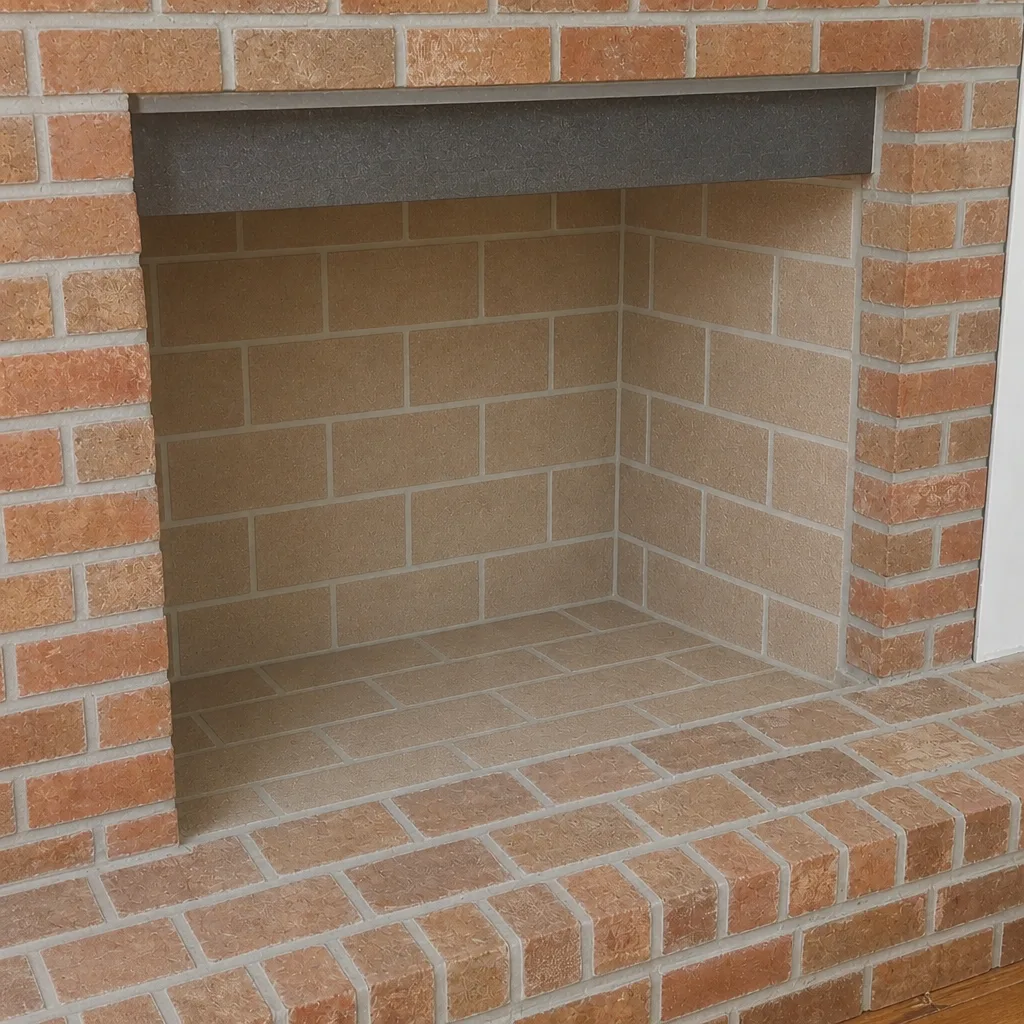
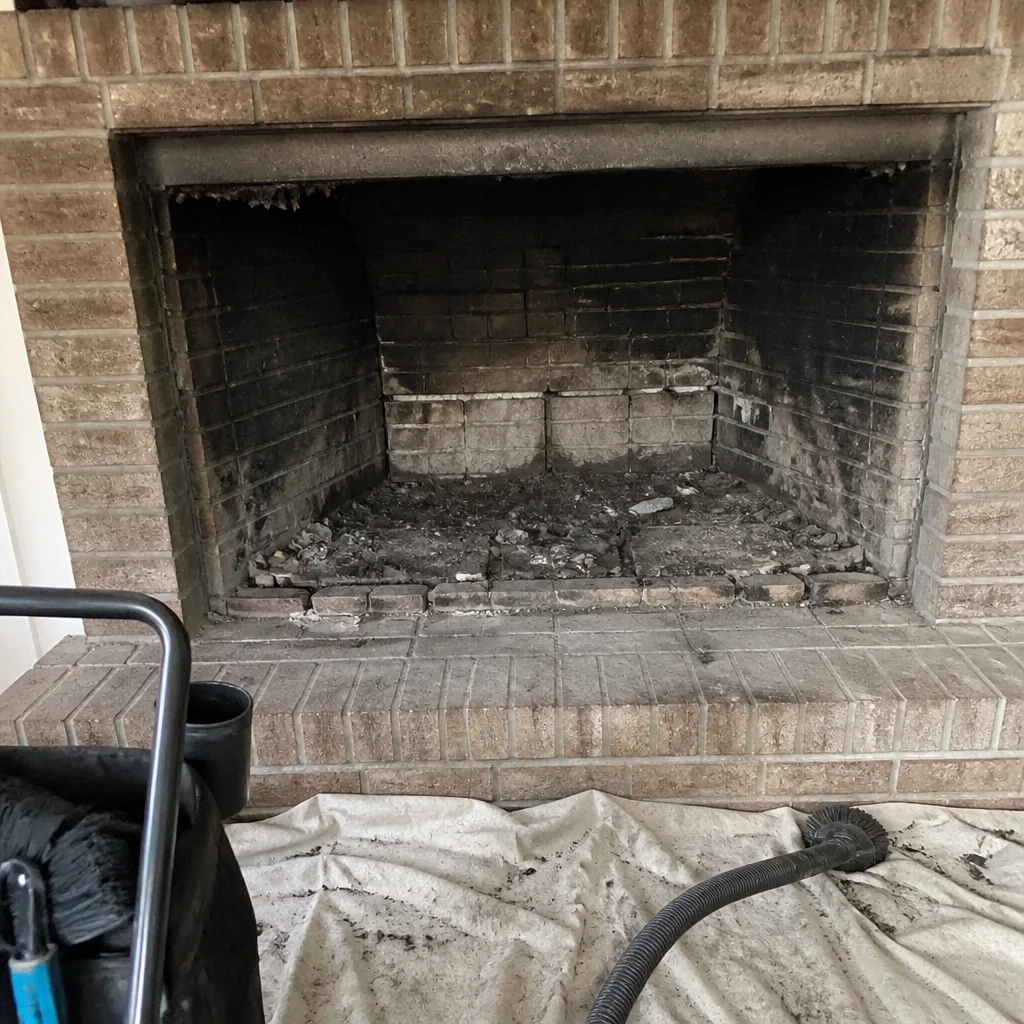
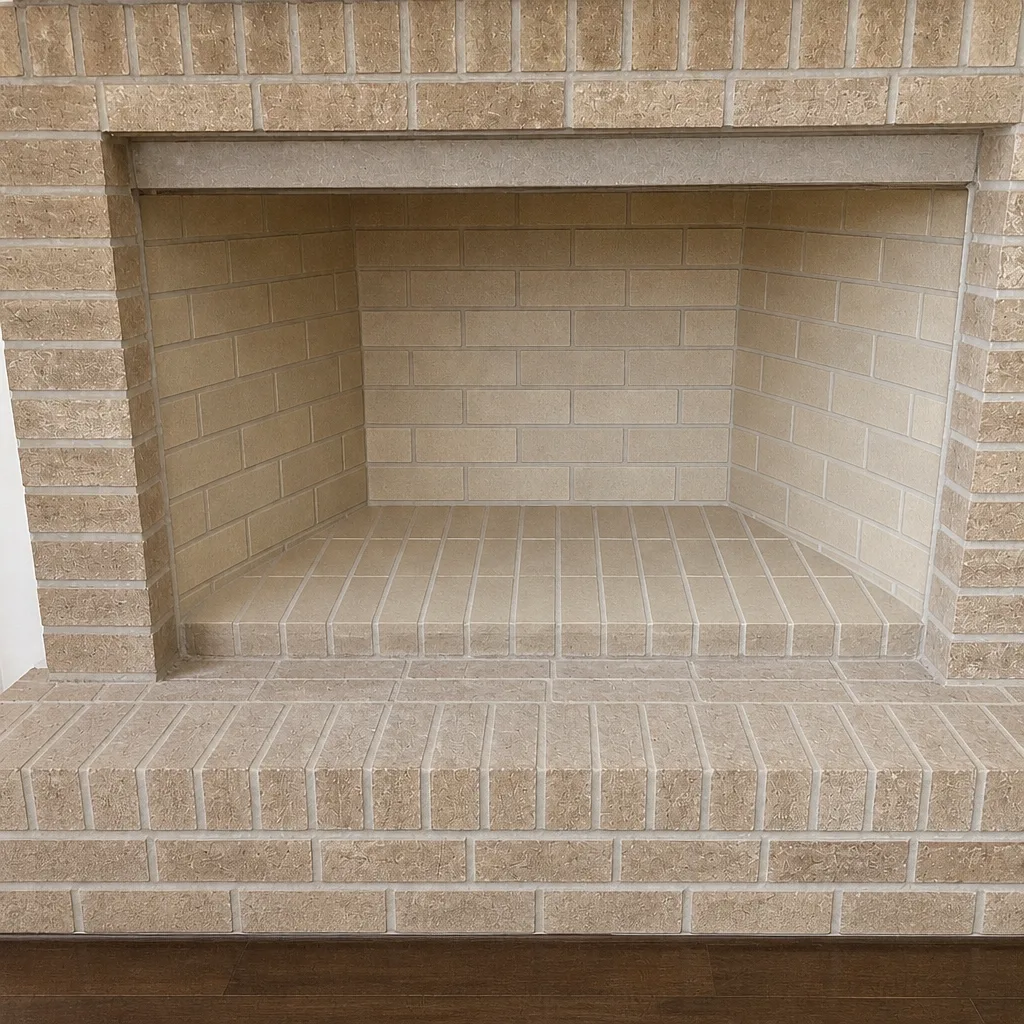
See the difference
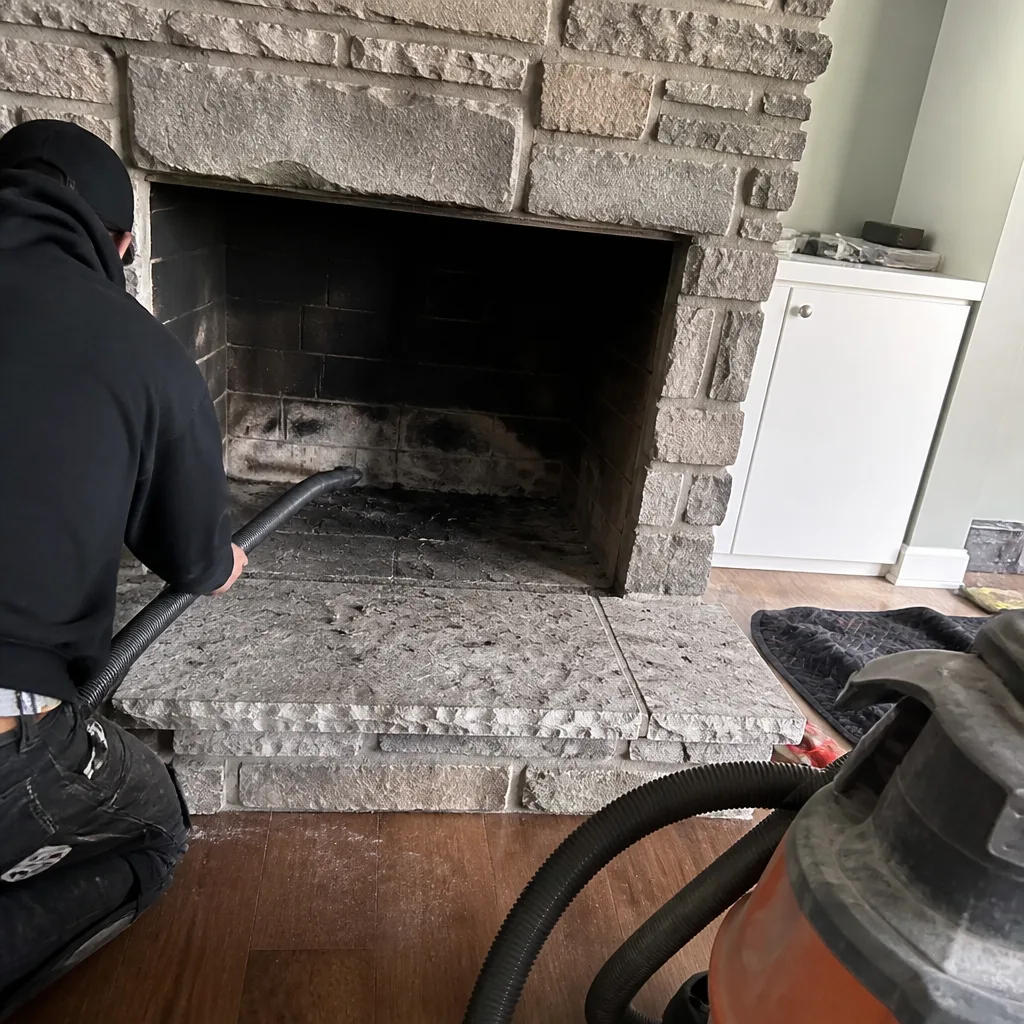 Before
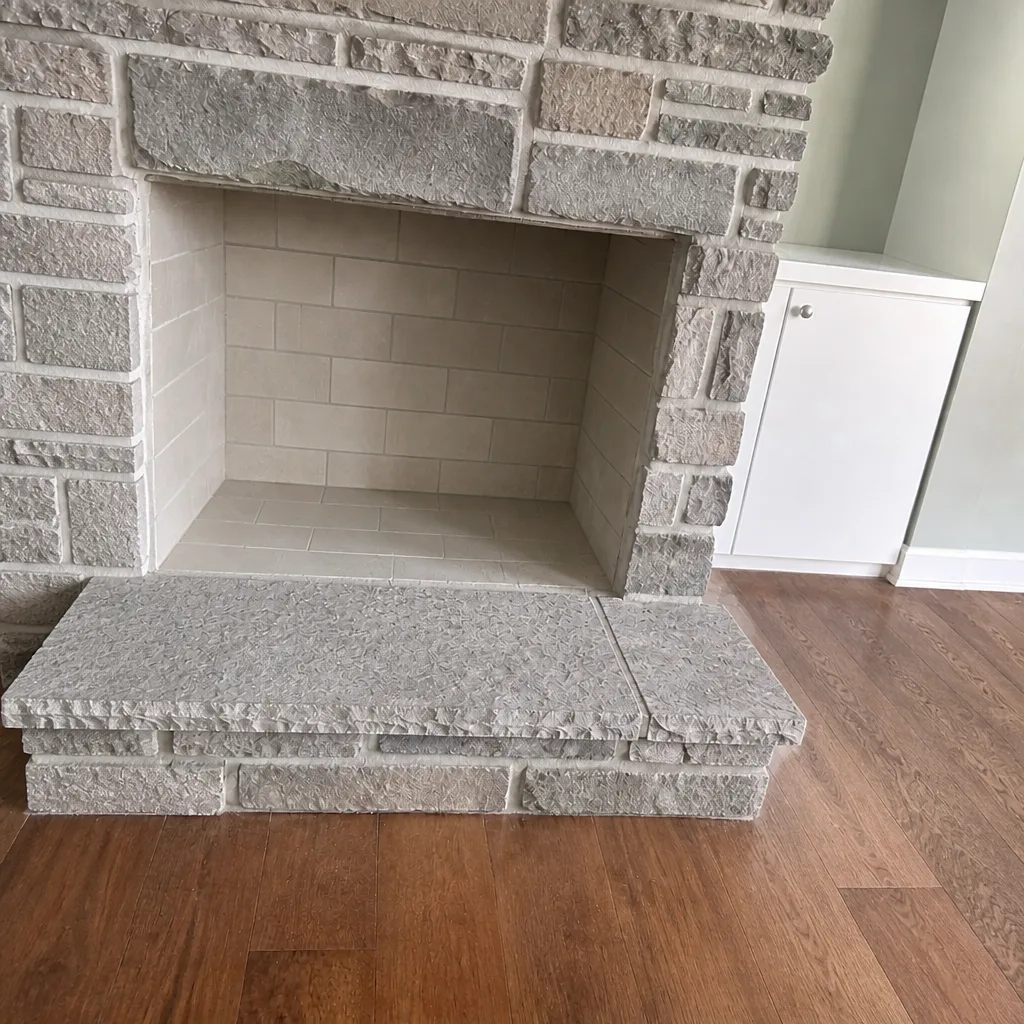 After
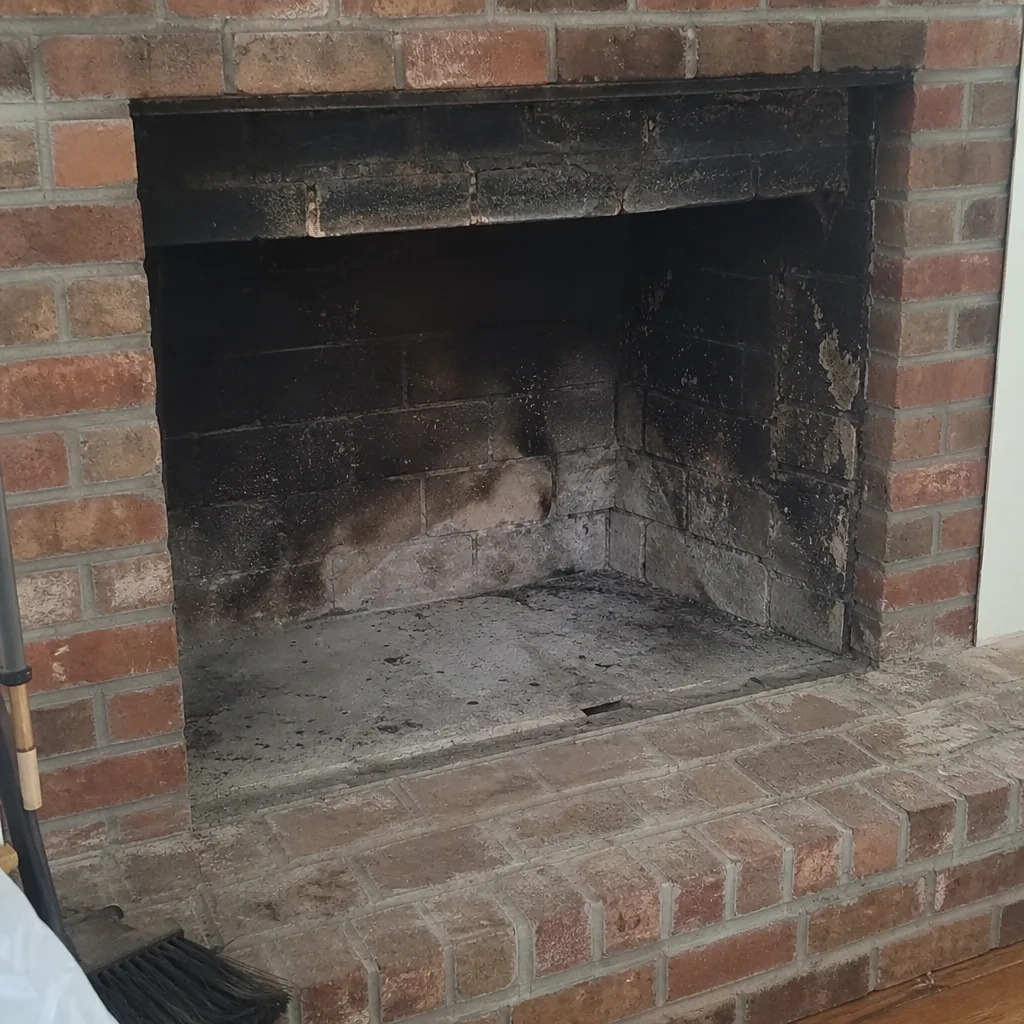 Before
 After
 Before
 After
When to Call a Professional
Call a professional if you find any of the “stop using and call now” items on the list above, or if your log shows something drifting in a direction you don’t understand. The other call that’s worth making early is a scheduled annual sweep and inspection, especially if you haven’t had one in the past year. Bring your log and photos to the appointment and you’ll get a much more targeted visit than you would otherwise. Our technicians have up to 14 years of experience, and the inspection we do runs through a camera so you can see what we see rather than take a recommendation on faith. If a recommended repair can safely wait, we say so, and if the answer is a resurfaced liner rather than a full replacement, we can quote that too. Fishers Chimney Sweep offers free estimates in Fishers, call (844) 761-5757. We answer 24/7. Fast dispatch from 7am to 7pm, Sunday through Friday, and we’re closed Saturday.
Frequently Asked Questions
The most common recommendation is an annual inspection, with sweeping whenever the inspection shows enough deposit to warrant it, which for a typical wood-burning fireplace usually works out to once a year with regular use. If you burn often or burn wet wood, that can move up. A gas fireplace or a fuel-burning appliance should still be inspected yearly even though it produces less soot. Call (844) 761-5757 for an exact recommendation for your setup, and estimates are free.
You can absolutely do the observation part yourself, and that’s the whole point of a checklist. Ground-level visual checks, logging draft behavior, and noting odor changes are things a homeowner can do safely. What you should not do is climb the roof, reach into the flue, or try to clean the chimney yourself. The camera inspection is where the professional check happens, and that’s the part you schedule.
It looks like a month-by-month observation schedule, a set of exterior checkpoints done from the ground, and a written log you bring to your annual sweep. The seasonal version for Fishers breaks into end-of-season cleanup in spring, exterior checks through summer, readiness checks in September, first-fire notes in October, and draft and odor observations through the heating months. Nothing on it is a repair, all of it is data collection.
Discoloration usually means water is getting into the masonry somewhere, either through the crown, the flashing, or a failed mortar joint, and drying back out with minerals or efflorescence left behind. It’s not automatically a big repair, but it’s worth photographing and checking against next year’s photos. If the staining is spreading, or if it appears only on one side of the chimney after a rain, that’s worth an inspection call sooner rather than later.
You can, and it makes the visit more efficient, but it’s not required. A sweep will lay a drop cloth and clear ash as part of the job. What is worth doing before the appointment is pulling together your log and your previous inspection report, so the technician has something to compare against. That’s more valuable than the firebox being clean.
A sweep physically cleans the flue, removing creosote, soot and debris. An inspection is a diagnostic look at the system, including a camera run through the flue, checking the crown, the firebox, and the liner for condition and safety. Most annual visits combine both, and in Fishers we plan them that way so the cleaning and the diagnostic happen on the same trip. A sweep without an inspection misses the things that matter most, which is why the visit involves both.
Yes, in terms of annual frequency, though the reason is different. A gas fireplace produces less soot, but it still needs the flue evaluated for blockage, corrosion, and clear venting, and any debris or bird activity in the vent is a real concern. The annual inspection covers it. If you’re not sure whether you have a wood-burning or gas setup, the first visit establishes that as part of the record.
The Bottom Line
A chimney maintenance checklist is not a calendar reminder, it’s a year-round log that catches the small changes before they turn into repairs. Watch the draft and the smell after every fire. Do your exterior checks from the ground and photograph the same angles each time. Bring your log and last year’s report to your annual sweep so the technician can compare against a baseline rather than starting blind. If anything on the “stop using and call now” list shows up, treat it as an emergency. Everything else can wait for the annual visit, and it should. For a Fishers homeowner with a fireplace they actually use, that log is the cheapest piece of chimney maintenance there is.
Call (844) 761-5757 for a free estimate. We answer 24/7. Fast dispatch from 7am to 7pm, Sunday through Friday.
Written by the team at Fishers Chimney Sweep.