
Last updated November 15, 2026
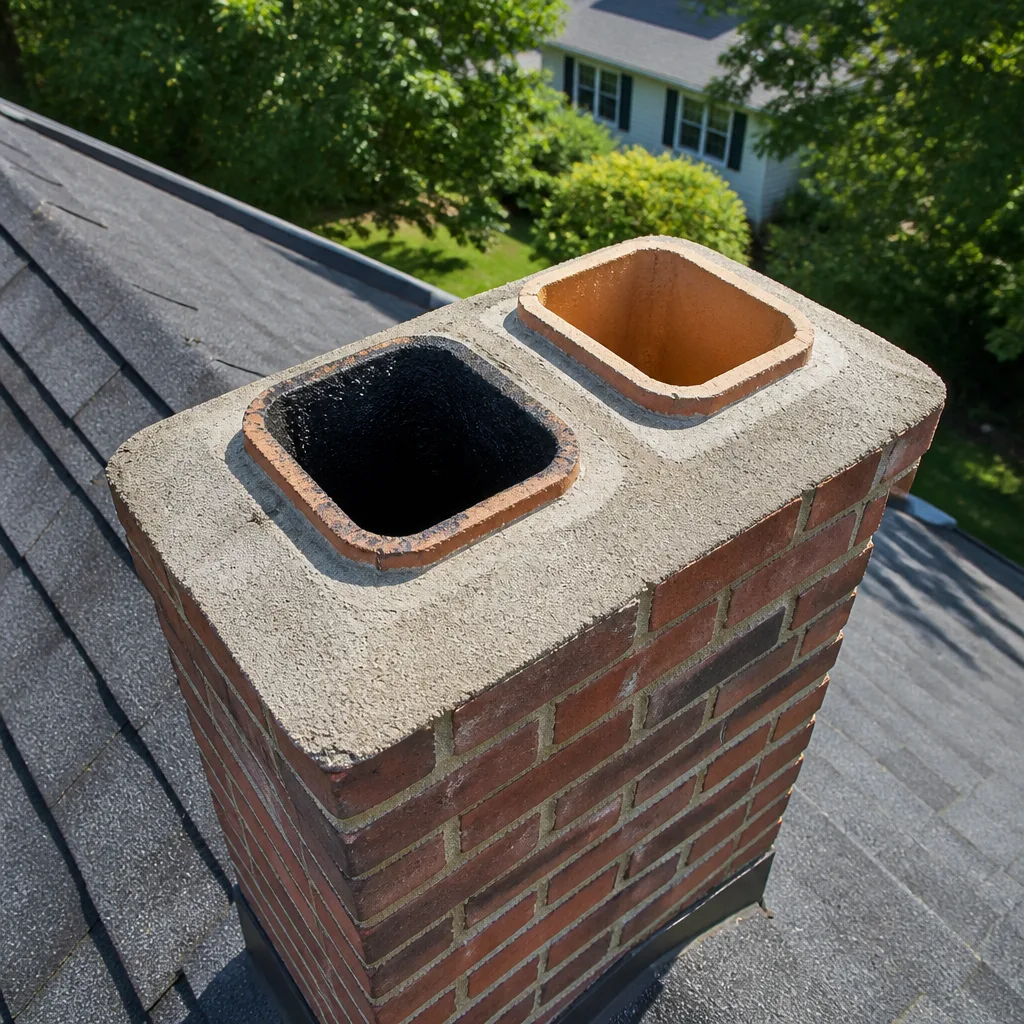 Sweep & inspection
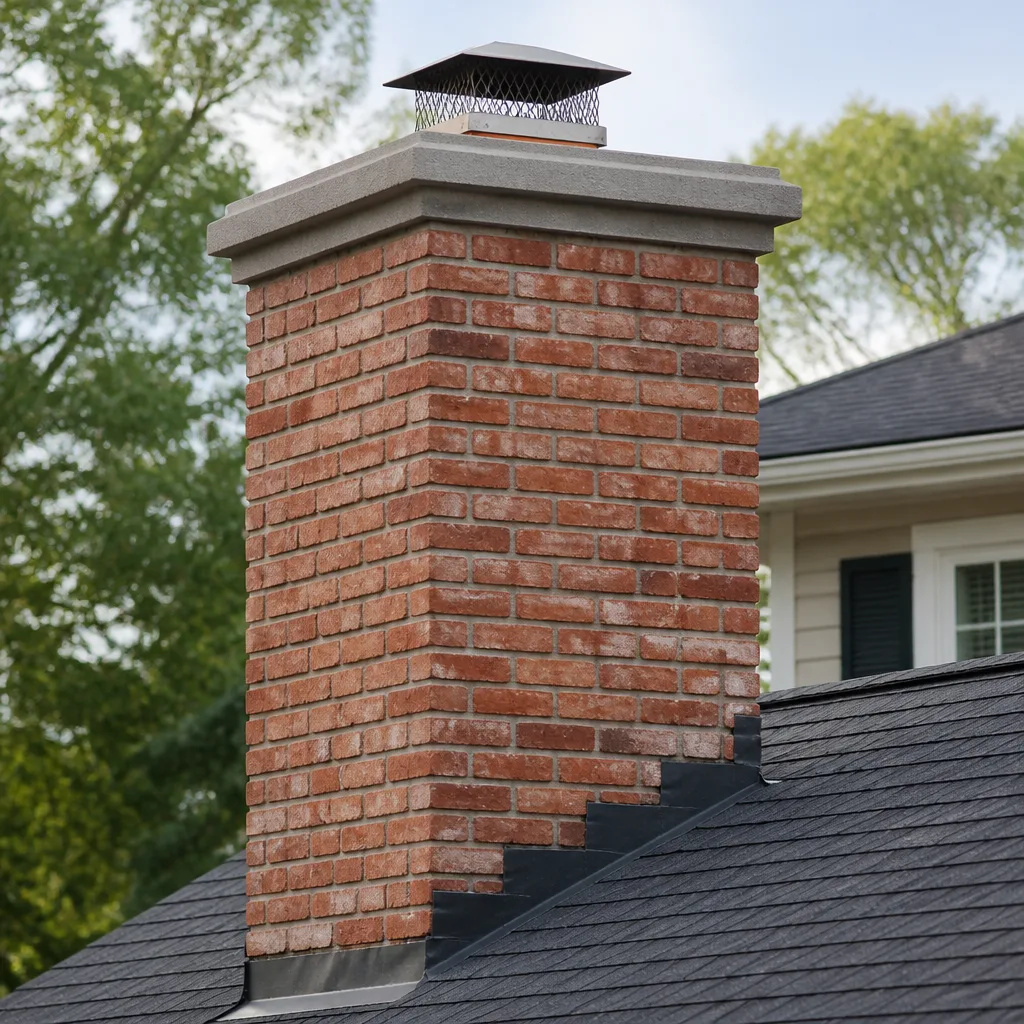 Caps & crowns
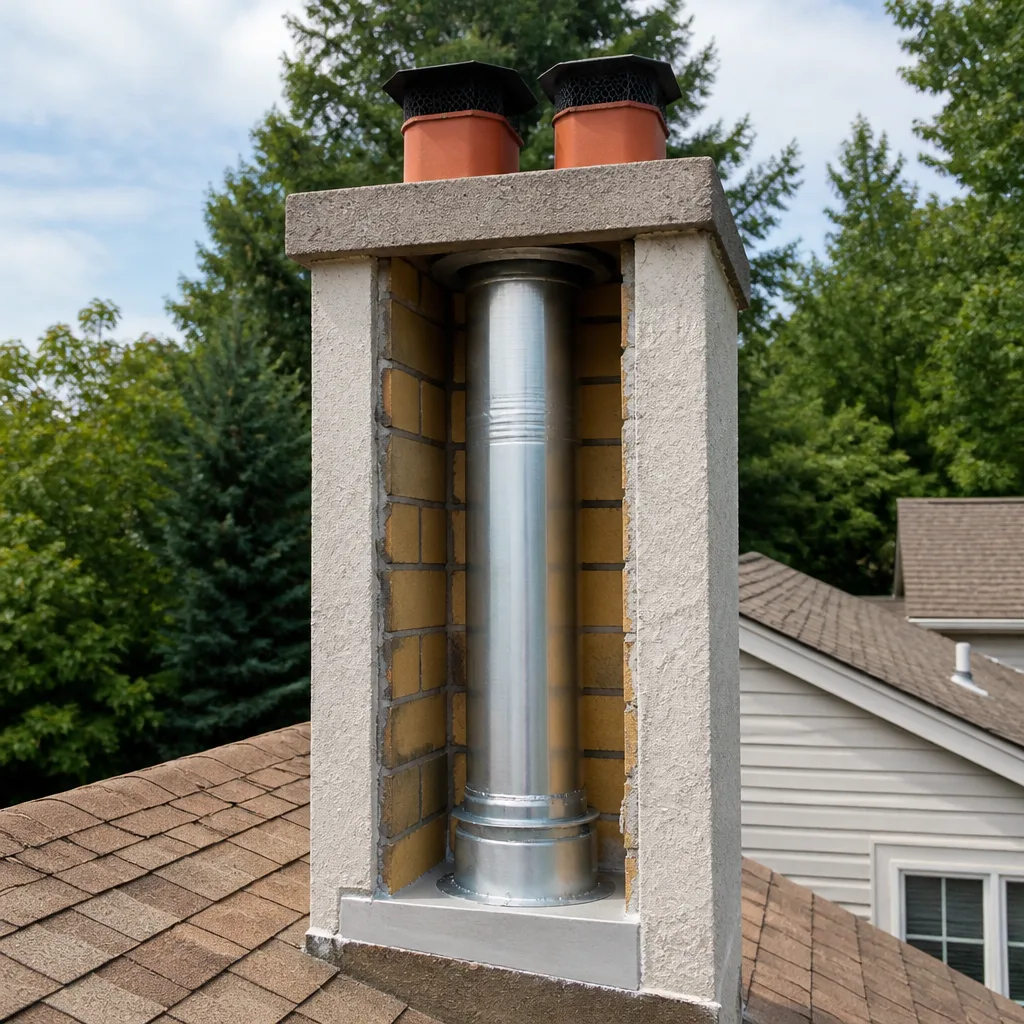 Flue relining
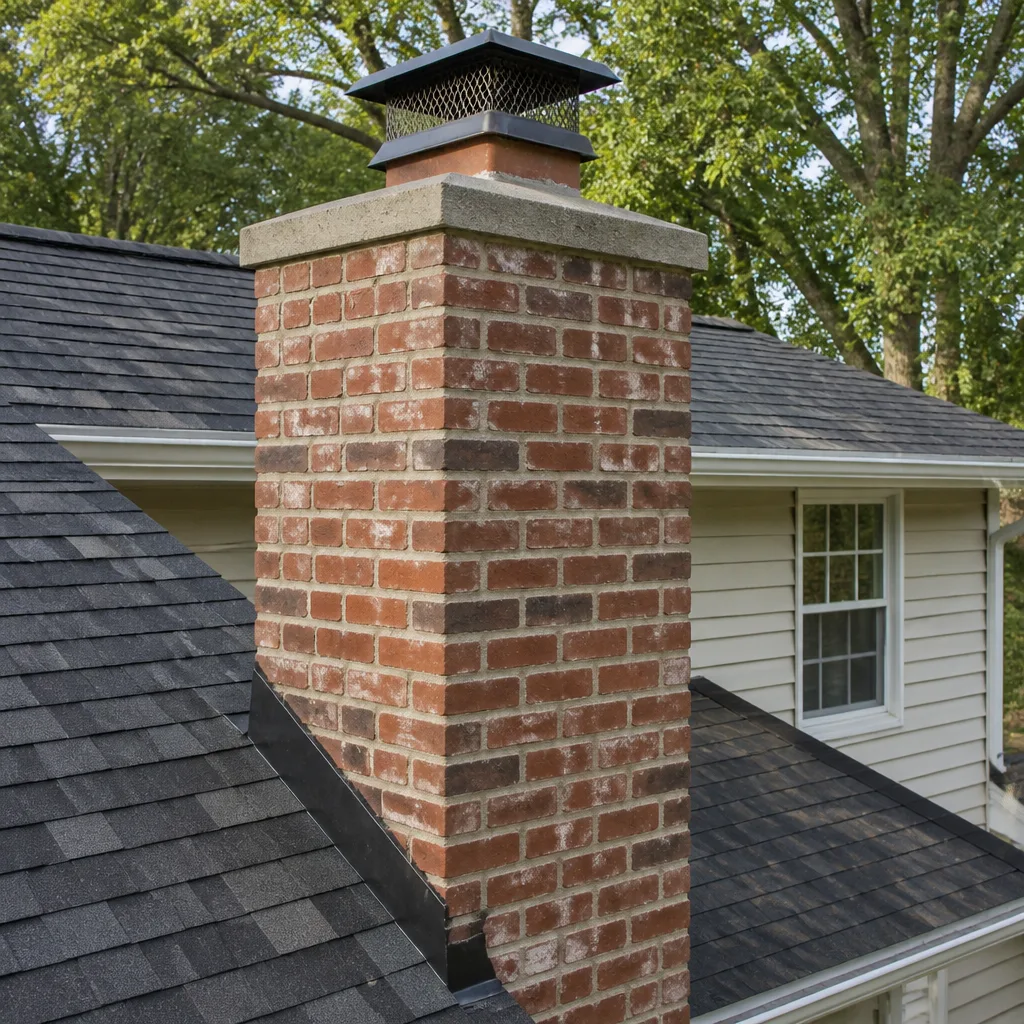 Masonry repair
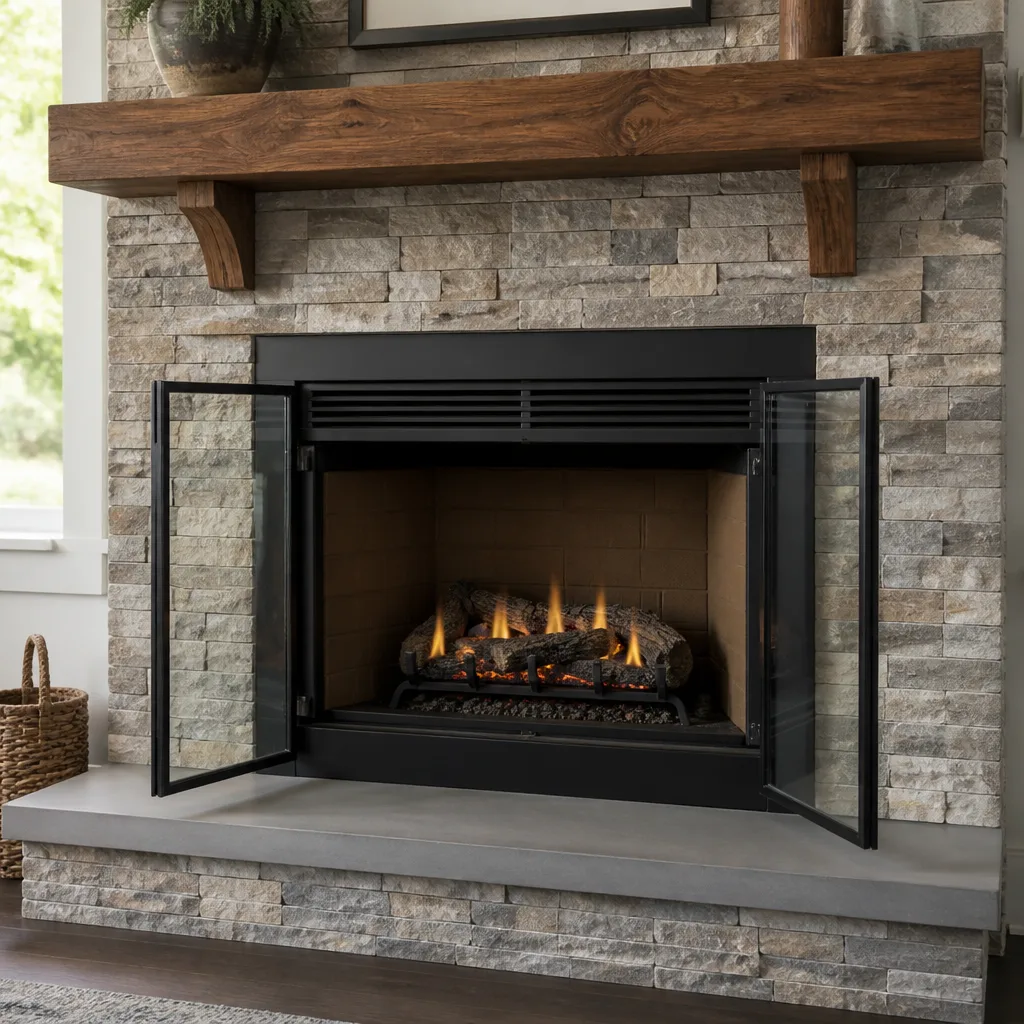 Gas fireplace service
Level 1 sweep and inspection to the NFPA 211 annual standard - flue, crown, cap, and flashing checked and photographed
Chimney sweep logs do not sweep chimneys. They loosen some creosote - which then falls where a brush and vacuum still have to collect it.
Chimney Sweep Maintenance Schedule: What to Do and When
A gas fireplace used twice a week needs a different inspection cadence than a wood-burning insert burning every night from October through March. Yet most schedule guides treat every chimney identically and hand you a single number: sweep once a year. That number is a floor, not a plan. Fuel type, how often you burn, and how the chimney is built all change what your calendar should look like. This guide builds the schedule around how you actually use the system, adds the Fishers timing that matters most, and gives you a month-by-month checklist you can stick to the refrigerator.
Quick Answer
Most Fishers chimneys need one professional sweep a year, but the right schedule depends on fuel type and burn volume: wood-burning fireplaces that get regular use should be swept and inspected once a year, gas appliances need an annual inspection even with light use because the flue still needs checking, and pellet stoves typically need sweeping once a year or after roughly a ton of pellets. Add a monthly owner visual check during burn season, a Level 2 inspection at any major life-stage change, and schedule the professional work in late summer before the September rush.
Styles & brands we work with
- Sweep & inspection
- Caps & crowns
- Flue relining
- Masonry repair
- Gas fireplace service
Table of Contents
- Three Chimney Systems, Three Different Schedules
- Fishers Timing: Why Late Summer Beats October
- What Indiana’s Freeze-Thaw Cycle Does Between March and May
- Monthly Owner Checks vs. What Only an Inspection Confirms
- Level 1 vs. Level 2 Inspections: Which One You Actually Need
- Life-Stage Milestones That Reset the Clock
- Your Month-by-Month Annual Checklist
- Signs You’ve Fallen Behind Schedule
Three Chimney Systems, Three Different Schedules
The single most common scheduling error we see in Fishers is applying wood-burning rules to a gas appliance or a pellet stove. They aren’t the same system, so they don’t follow the same clock.
Wood-Burning Fireplaces and Inserts
Wood is the highest-deposit fuel. Creosote builds up in the flue every time the fire burns cool or the wood is wet, and the National Fire Protection Association’s standard guidance calls for the chimney to be inspected annually and cleaned as needed. For a fireplace used regularly through the burn season, that usually means one sweep a year, done before the season starts. If you burn more than roughly two cords a season, or you notice heavy buildup at the monthly check, plan on a mid-season sweep as well. Wood-burning chimneys also need the closest attention to the flue liner, which is where we see the most deterioration, and where resurfacing with HeatShield can restore a flue that doesn’t need full replacement.
Gas Appliances
Gas fireplaces and gas-fired appliances don’t produce creosote, so many homeowners assume there’s nothing to schedule. That’s a mistake. Gas units still vent combustion byproducts, and the flue, venting, gaskets and connections all need an annual inspection to confirm everything is drafting and sealing as it should. A gas fireplace used a couple of times a week and a gas appliance that runs daily follow the same one-year inspection interval, but the higher-use unit deserves a closer look at the venting. We treat gas as an inspection-led schedule, not a sweep-led one.
Pellet Stoves
Pellet stoves fall between the two. They burn cleaner than cordwood, but ash and fly ash still accumulate in the flue and vent. A common schedule is one sweep per year or after about a ton of pellets, whichever comes first. Pellet venting also has its own fittings and terminations that need inspection, so the annual service should cover both the firebox side and the vent side.
Our technicians have up to 14 years of experience across all three fuel types, which is why we build the schedule around the system rather than the calendar. If you’re not sure which track you’re on, a chimney sweep visit is the right starting point, because the inspection that comes with it tells us exactly what you’re dealing with.
Fishers Timing: Why Late Summer Beats October
The single best scheduling decision a Fishers homeowner can make is booking the annual service in July or August rather than waiting for the first cold snap. Two things happen in September. The phone starts ringing from everyone who just thought about their chimney, and the first cool evenings arrive right behind it. Homeowners who call in October tend to wait longer for an appointment than those who booked in August, and they sometimes start the season with an unfinished repair.
There’s also an inspection reason. A late-summer inspection happens before the burn season, so any repair it turns up can be completed before you need the fireplace. If you wait until November, a deteriorating liner or a damaged cap discovered then becomes an urgent problem instead of a scheduled one. That’s the difference between a planned repair and a scramble.
Here’s the timing we recommend to homeowners around Fishers:
- July to August: book the annual sweep and Level 1 inspection, before the rush and before the season.
- September: complete any repair the inspection identified, while the weather still cooperates.
- October through March: burn season, with a monthly owner visual check.
- April to May: post-season look at the exterior, after the freeze-thaw cycle has done its work.
That rhythm keeps the professional work ahead of the season and the exterior assessment ahead of the next one. It also spreads the cost of any repair across the year rather than concentrating it in the weeks when everyone else is also calling.
What Indiana’s Freeze-Thaw Cycle Does Between March and May
Our winters do something to masonry that a mild climate simply doesn’t. Water gets into brick, mortar and the crown, freezes overnight, expands, and then thaws during the day. That cycle repeats dozens of times between December and March, and each pass widens hairline cracks a little more. By spring, the damage that was invisible in the fall can be obvious from the ground.
That’s why the March-to-May window matters in Fishers. It’s the time to look at the chimney from the outside, not the inside. What we’re checking for in that window:
- Spalling brick: faces flaking or popping off, a sign moisture has been getting in and freezing.
- Crumbling mortar joints: the soft, sandy joints that indicate the mortar is past its useful life.
- Cracked crown: the concrete cap on top of the chimney, which is the first line of defense against water.
- Damaged or missing cap: the screen and lid that keep rain, birds and debris out of the flue.
- Rust or staining on the exterior: often a clue that water is finding a path it shouldn’t.
Spotting these in spring gives you the whole summer to schedule chimney repair before the next heating season, and it’s the cheapest time of year to deal with them. A crown repair in May is a small job. The same crown left through another winter can turn into a masonry rebuild. If you see any of these, don’t wait for the fall inspection; get eyes on it while the weather is on your side.
Monthly Owner Checks vs. What Only an Inspection Confirms
A monthly visual check during burn season is genuinely useful, and it’s something every homeowner can do. It’s also limited. Knowing where the line sits between what you can see and what a professional can verify is the difference between a schedule that works and one that gives you false confidence.
What You Can Check Yourself, Monthly
- The firebox: look for cracked bricks or loose mortar at the back and sides.
- The damper: confirm it opens, closes and seats properly.
- The cap and screen: from the ground with binoculars, check the cap is intact and the screen isn’t blocked.
- Visible creosote: shine a light up the flue from the firebox and look for glazed, shiny buildup. Glazed creosote is a sign the chimney needs professional attention soon, not a sign to keep burning.
- Draft and smoke: notice whether smoke rolls into the room when you light a fire. A change in draft is worth mentioning at your next inspection.
- The exterior: a quick look for new cracks, staining or loose brick.
What Only a Level 1 or Level 2 Inspection Can Confirm
You cannot see the flue liner from the firebox, and you can’t see behind the damper or above the smoke chamber. Those are exactly the places where the serious problems live. A professional inspection uses a camera to examine the full length of the flue, verifies the liner’s condition, checks the smoke chamber and shelf, and confirms the appliance connections. It also checks clearances to combustible materials, which is where a lot of hidden risk sits. In our experience, the findings from an inspection regularly include things the homeowner had no way to see, which is the whole point of having it done.
Level 1 vs. Level 2 Inspections: Which One You Actually Need
Most annual inspections are Level 1, and most homeowners only ever need a Level 1. But there are specific situations that call for a Level 2, and knowing which is which keeps you from either over-buying or under-protecting.
Level 1 Inspection
A Level 1 is the routine annual inspection. It covers the readily accessible portions of the chimney and venting, checks the appliance connection, and confirms the system is sound and free of obstruction. It’s what you book every year in late summer when nothing has changed and the system is working as it should. Combined with the annual sweep, it’s the backbone of the whole schedule.
Level 2 Inspection
A Level 2 is more thorough and includes a camera examination of the flue’s interior. You need one when something has changed: a home purchase, a new appliance or liner, a change in fuel type, a chimney fire, a seismic event, or any significant repair. It’s also the right call when you’re buying or selling a home, because it gives you and the other party a documented picture of the chimney’s condition. The findings connect directly to repair work, which is why we treat inspections as the front end of the service cycle rather than a standalone checklist.
A simple rule: Level 1 every year, Level 2 whenever the system or the ownership changes. If you’re unsure which applies, ask when you book. The answer is usually obvious once we know what’s happened to the chimney since the last inspection.
Life-Stage Milestones That Reset the Clock
The calendar isn’t the only trigger. Certain events reset the maintenance clock regardless of where you are in the year, and missing them is how homeowners end up with a gap in their schedule.
- Buying a home: a Level 2 inspection before you close is the single most valuable chimney step in the whole process. You inherit whatever the previous owner did or didn’t do, and you want to know what you’re taking on before the keys change hands.
- Chimney cap replacement: a new cap resets the exterior protection but also means checking the flue and crown while the cap is off. It’s a natural moment to confirm the liner and crown are sound before closing things back up.
- New liner installation: a relined chimney, whether with a DuraFlex flexible liner or a resurfaced flue using HeatShield, starts a fresh inspection cycle. The first annual inspection after a reline is especially worth doing, because it confirms the liner is seated and performing as designed.
- Changing fuel type or appliance: switching from wood to gas, adding an insert, or replacing a stove all change the venting requirements. Any of these calls for a Level 2 before the new system goes into regular use.
- After a chimney fire: even a small one can damage the liner and the masonry. A Level 2 is mandatory before the chimney is used again.
- After a significant weather event: a strong storm or a lightning strike near the chimney is a reason to get it checked, even if nothing looks wrong from the ground.
If any of these has happened since your last inspection, the calendar is secondary. Book the inspection first and rebuild the schedule from there. In Fishers, where homes turn over regularly, the home-purchase inspection is the milestone we see skipped most often, and it’s the one that matters most.
Your Month-by-Month Annual Checklist
Here’s the whole schedule in one place, organized by month rather than by task. Copy it, print it, and check things off as you go. It assumes a wood-burning fireplace as the baseline and notes where gas or pellet systems differ.
January through March: Burn Season, Monthly Checks
- Do the monthly owner visual check (firebox, damper, cap, visible creosote, draft).
- Watch for glazed creosote and call if you see it.
- Keep an eye on smoke rollback and note any change in draft.
- Gas systems: note any change in flame color or smell and mention it at the next inspection.
April and May: Post-Season Exterior Assessment
- Walk the exterior and look for spalling brick, crumbling mortar and a cracked crown.
- Check the cap and screen from the ground.
- Schedule any masonry repair the winter revealed, while the weather allows.
- This is the window where the freeze-thaw damage shows itself, so don’t skip it.
June: Book the Annual Service
- Call to book the sweep and Level 1 inspection for July or August.
- Note anything the monthly checks turned up so you can mention it when you book.
July and August: Annual Sweep and Level 1 Inspection
- Professional sweep of the flue, sized to your fuel type.
- Level 1 inspection covering the accessible chimney, venting and appliance connection.
- Discuss any repair the inspection identified and get it scheduled for September.
- Gas systems: annual inspection is the main event; pellet stoves get a sweep at the one-ton mark.
September: Complete Repairs Before the Season
- Finish any liner, crown, cap or masonry repair while the weather holds.
- Confirm the cap and screen are in place before fall.
- Restock firewood and make sure it’s properly seasoned.
October: Season Prep
- Do the first monthly check before the first fire.
- Confirm the damper operates freely.
- Test smoke and carbon monoxide alarms, and replace batteries.
November and December: Peak Burn Season
- Monthly owner checks continue.
- Watch for heavy creosote if you’re burning frequently.
- Mid-season sweep for high-volume wood burners (roughly two cords or more).
If you follow that rhythm, nothing on the calendar should surprise you. The professional work happens before the season, the exterior assessment happens after it, and the monthly checks fill in the gaps. For homeowners who want the full service cycle walked through, the team at Fishers Chimney Sweep can build the schedule around your specific system and burn habits.
Signs You’ve Fallen Behind Schedule
Sometimes the schedule slips without anyone noticing. These are the signals that the calendar has gotten away from you and it’s time to book, regardless of what month it is.
- You can’t remember the last sweep. If you’re not sure when it was last done, it’s been too long. Book one and restart the cycle.
- Smoke rolls into the room when you light a fire. A draft problem can be a sign of obstruction or a damaged liner, and it warrants an inspection before the next fire.
- You smell smoke when the fireplace isn’t running. That’s a sign of a draft or sealing problem, not just a nuisance.
- There’s a strong, acrid smell from the firebox in warm weather. Often a sign of creosote or debris buildup.
- The fire burns poorly or goes out. A change in how the fire behaves is worth investigating.
- You see glazed, shiny creosote at the monthly check. Glazed creosote is the kind that needs professional removal, and it’s a sign the burn habit needs adjusting too.
- There’s visible damage to the exterior masonry. Spalling brick, loose mortar or a cracked crown all mean the system needs attention now.
- It’s been more than a year since the last inspection. That’s the simplest trigger of all. If the anniversary has passed, book it.
None of these is a reason to panic. They’re a reason to get the chimney looked at and get back on a schedule. A chimney specialist can tell you what’s actually going on and what, if anything, needs to be done before the next burn.
Common Mistakes to Avoid
- Treating all three fuel types the same. A gas fireplace and a wood-burning insert don’t share a schedule. Applying wood-burning rules to gas means inspecting things that don’t need it and missing things that do.
- Booking the annual sweep in October. The rush is real, and the repair window is gone. Book in July or August to get ahead of both.
- Assuming a gas appliance never needs inspection. The flue and venting still need an annual look, even when there’s no creosote to sweep.
- Skipping the spring exterior look. The freeze-thaw damage in Fishers shows up between March and May, and if you only look in the fall you’ll see it a year later, when it’s worse.
- Relying on a visual check to judge the liner. You can’t see the inside of the flue from below. Only a camera inspection confirms the liner’s condition.
- Not getting a Level 2 at home purchase. You inherit the previous owner’s maintenance history, and a Level 2 before closing is the only way to know what you’re buying.
- Ignoring loose or missing caps. A cap that’s come loose lets water, birds and debris in, and it’s a cheap fix that gets expensive if it’s left.
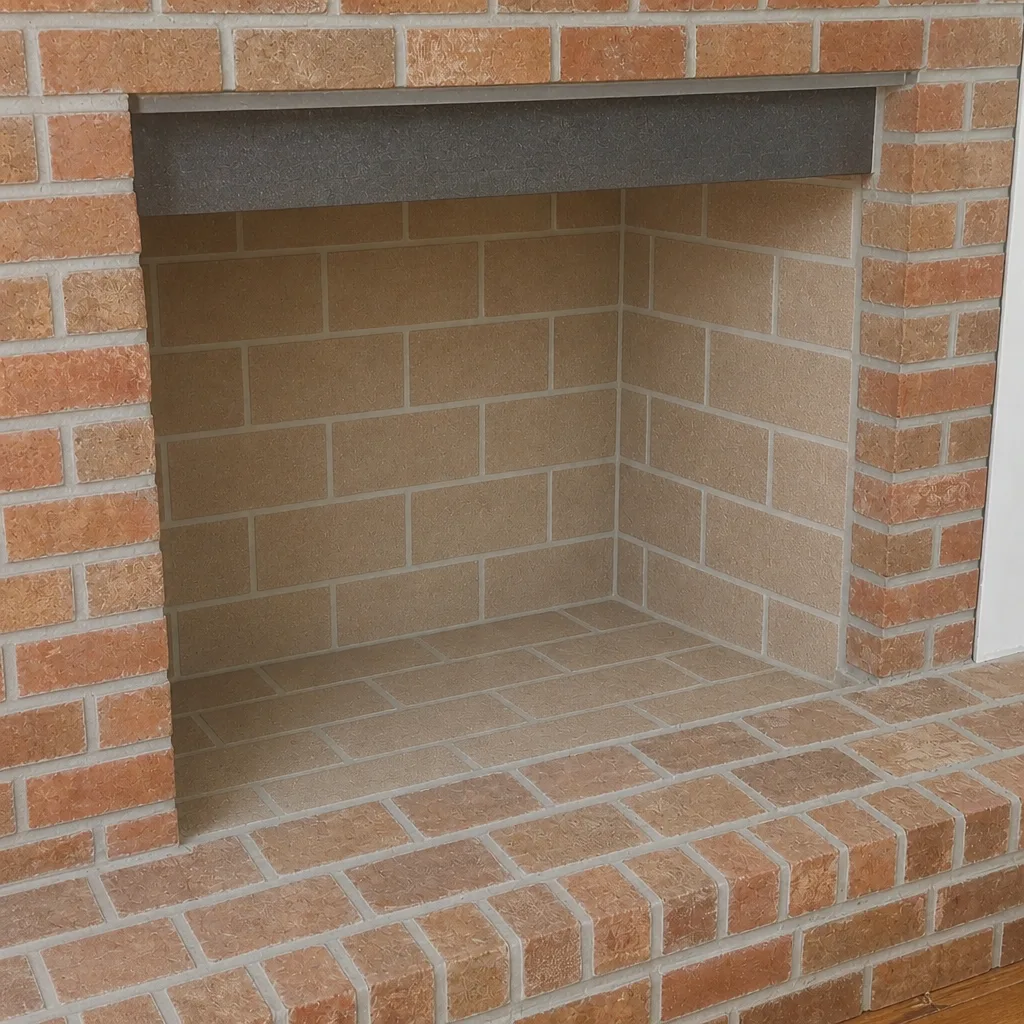
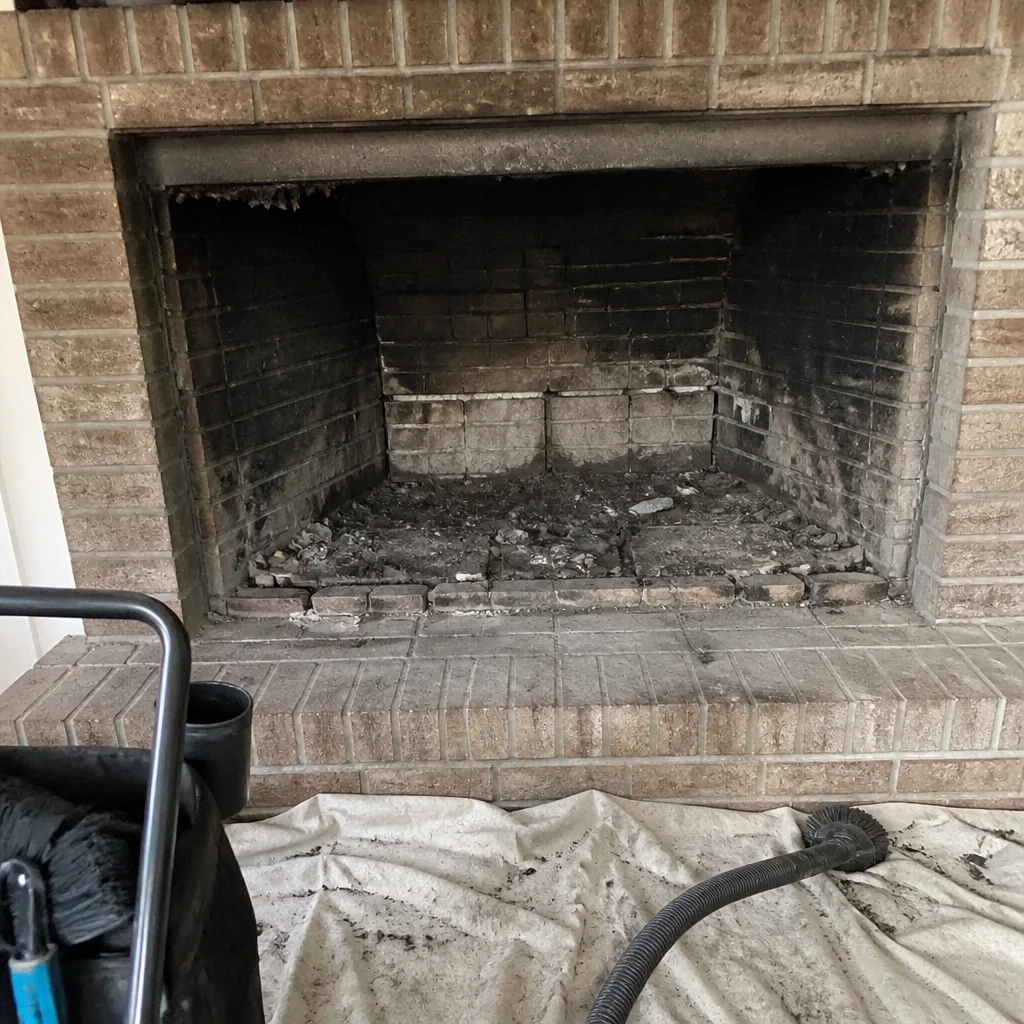
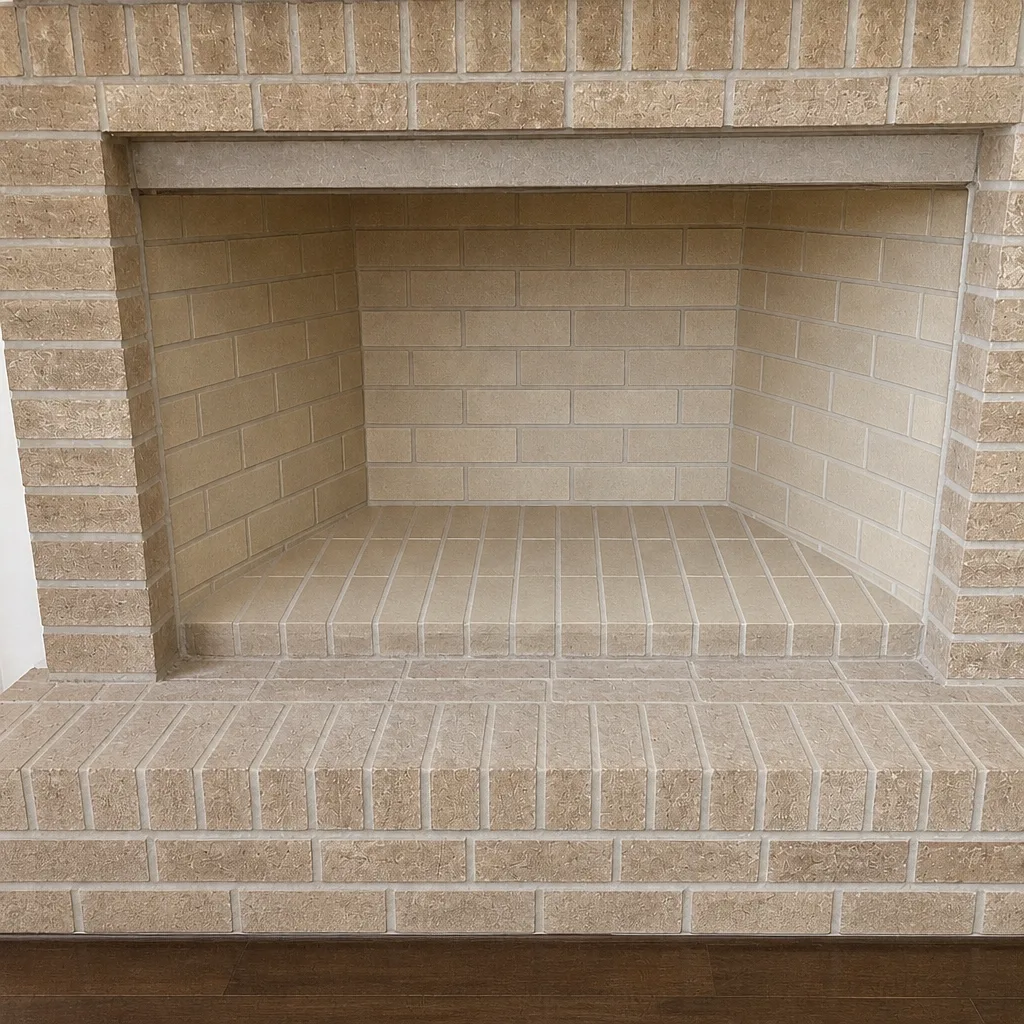
See the difference
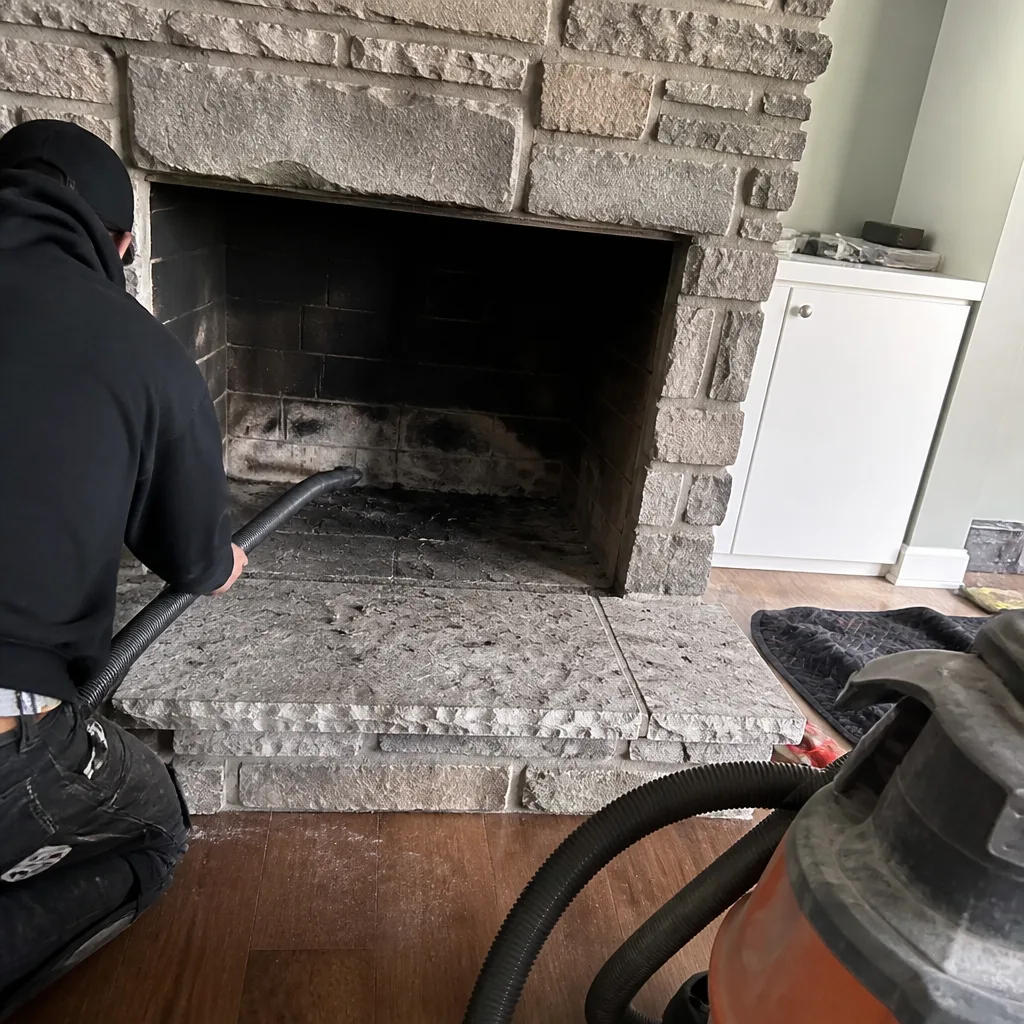 Before
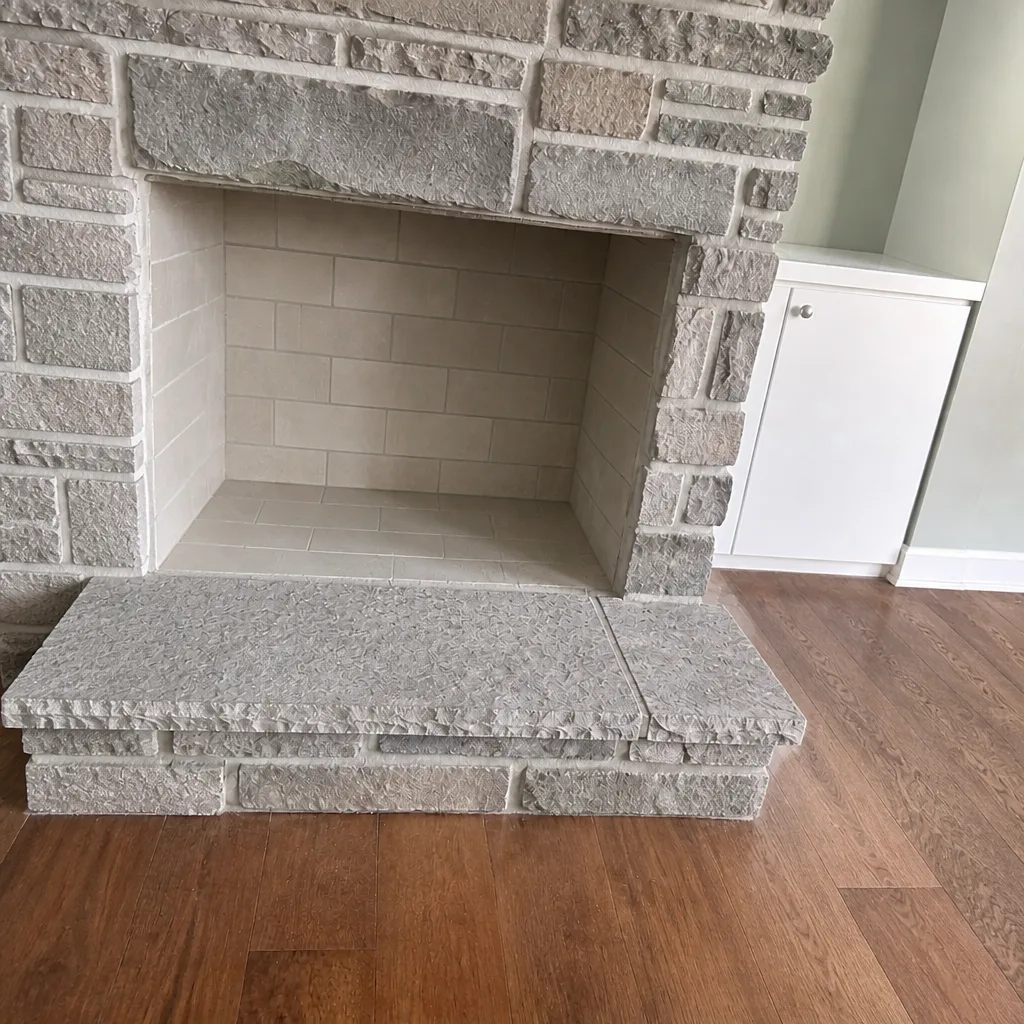 After
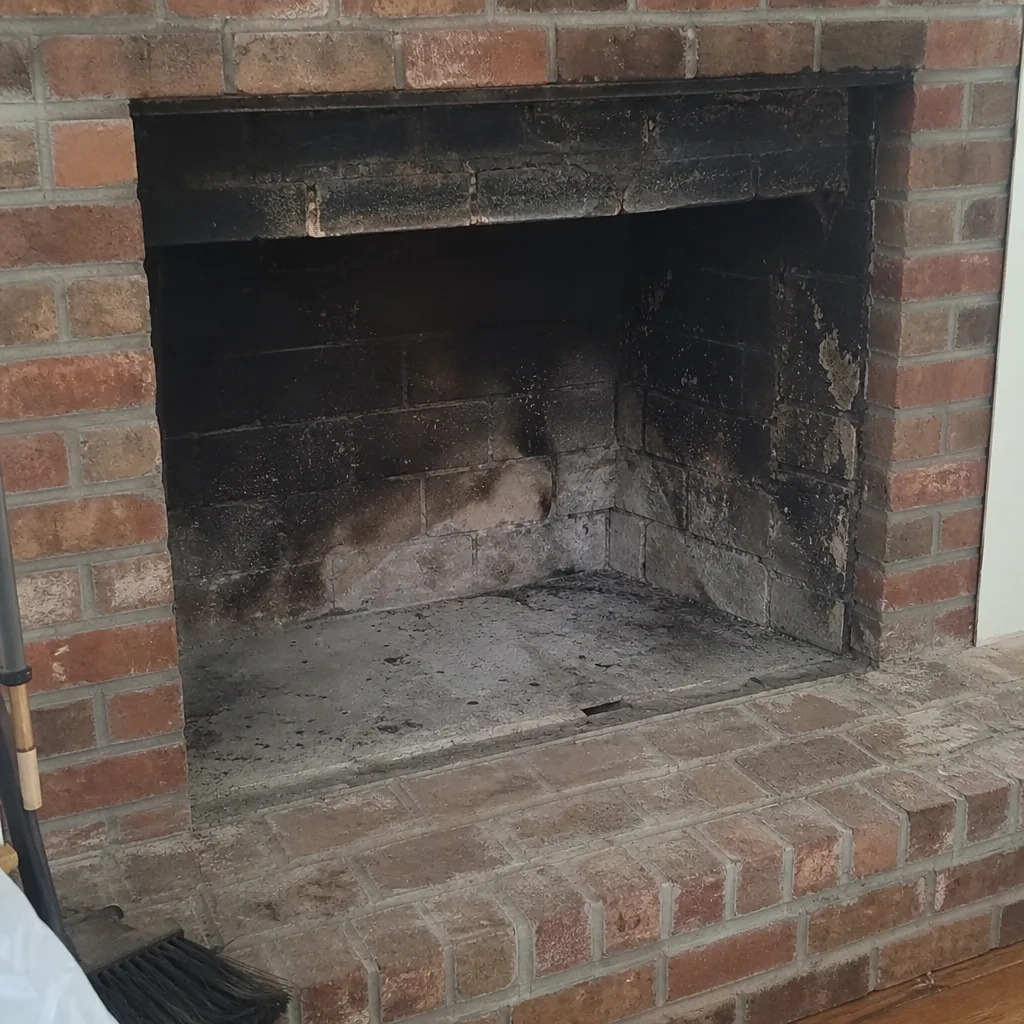 Before
 After
 Before
 After
When to Call a Professional
Call a professional when it’s been more than a year since the last inspection, when you can’t remember the last sweep, or when any of the warning signs above has appeared. Call sooner if you’ve had a chimney fire, changed appliances or fuel type, bought the home since the last inspection, or seen new damage to the exterior masonry after a winter. And call right away if smoke is rolling into the room or you smell gas, because those are safety issues, not scheduling ones. Fishers Chimney Sweep offers free estimates in Fishers. Call (844) 761-5757. We answer 24/7, with fast dispatch from 7am to 7pm, Sunday through Friday. Everything we recommend gets backed by what the camera shows you, so you can see the reasoning for yourself before you agree to any repair.
Frequently Asked Questions
Once a year for most wood-burning systems, and cleaned as needed after that annual inspection. High-volume wood burners should plan a mid-season sweep as well, and pellet stoves typically need sweeping once a year or after about a ton of pellets. Gas appliances follow an annual inspection schedule rather than a sweep schedule because they don’t produce creosote. Call (844) 761-5757 to book yours and estimates are free.
Late July or August, before the September rush and before the heating season. A late-summer visit means any repair the inspection identifies can be completed before you need the fireplace, which turns an urgent problem into a planned one. The spring window from March to May is the right time to schedule repair work uncovered by the winter. Call (844) 761-5757 to reserve a slot.
Yes. They don’t produce creosote, but they still vent combustion byproducts, and the flue, venting, gaskets and connections all need an annual check to confirm everything is drafting and sealing correctly. A gas fireplace used a couple of times a week and a gas appliance used daily both need the yearly inspection, with closer attention to the venting on the higher-use unit. Call (844) 761-5757 to book an inspection and estimates are free.
A Level 1 is the routine annual inspection covering the accessible chimney and appliance connection. A Level 2 adds a camera examination of the flue’s interior and is required after a home purchase, an appliance or fuel change, a chimney fire, or any significant repair. Most homeowners need a Level 1 every year and a Level 2 only when something has changed. Call (844) 761-5757 if you’re unsure which applies to you.
Not entirely, no. Even light use can leave debris, obstruction or animal nests in the flue, and the annual inspection is what catches those before they become a problem. The inspection can be quicker for a low-use chimney, but skipping it entirely means a year with no professional eyes on the system. Call (844) 761-5757 to book the annual visit; the estimate is free.
Book a Level 2 inspection. It gives you a documented picture of the flue, liner, smoke chamber and appliance connection, which is exactly what you need when the maintenance history is unknown. That’s the standard approach for a home purchase in Fishers, and it’s the right move any time the calendar has gotten away from you. Call (844) 761-5757 and estimates are free.
The Bottom Line
One annual sweep is the floor, not the plan. Build the schedule around your fuel type and burn volume: wood-burning systems get a yearly sweep and inspection, gas appliances get a yearly inspection, and pellet stoves get swept at about a ton of pellets. Book the professional service in late summer, do the exterior assessment after the freeze-thaw season in spring, and keep up the monthly owner checks through the burn season. Reset the clock at any life-stage milestone: home purchase, new cap, new liner, fuel change. Most of all, schedule the work before you need it, because a scheduled repair is always cheaper and calmer than an urgent one. If you want a calendar built around your chimney, the team at Fishers Chimney Sweep connects you with independent local professionals who practice this trade every day, using professional-grade materials like DuraFlex, HeatShield, Gelco, Olympia Chimney, Famco and Copperfield. Call (844) 761-5757 for a free estimate. We answer 24/7. Fast dispatch from 7am to 7pm, Sunday through Friday.
Written by the team at Fishers Chimney Sweep.