
Last updated November 15, 2026
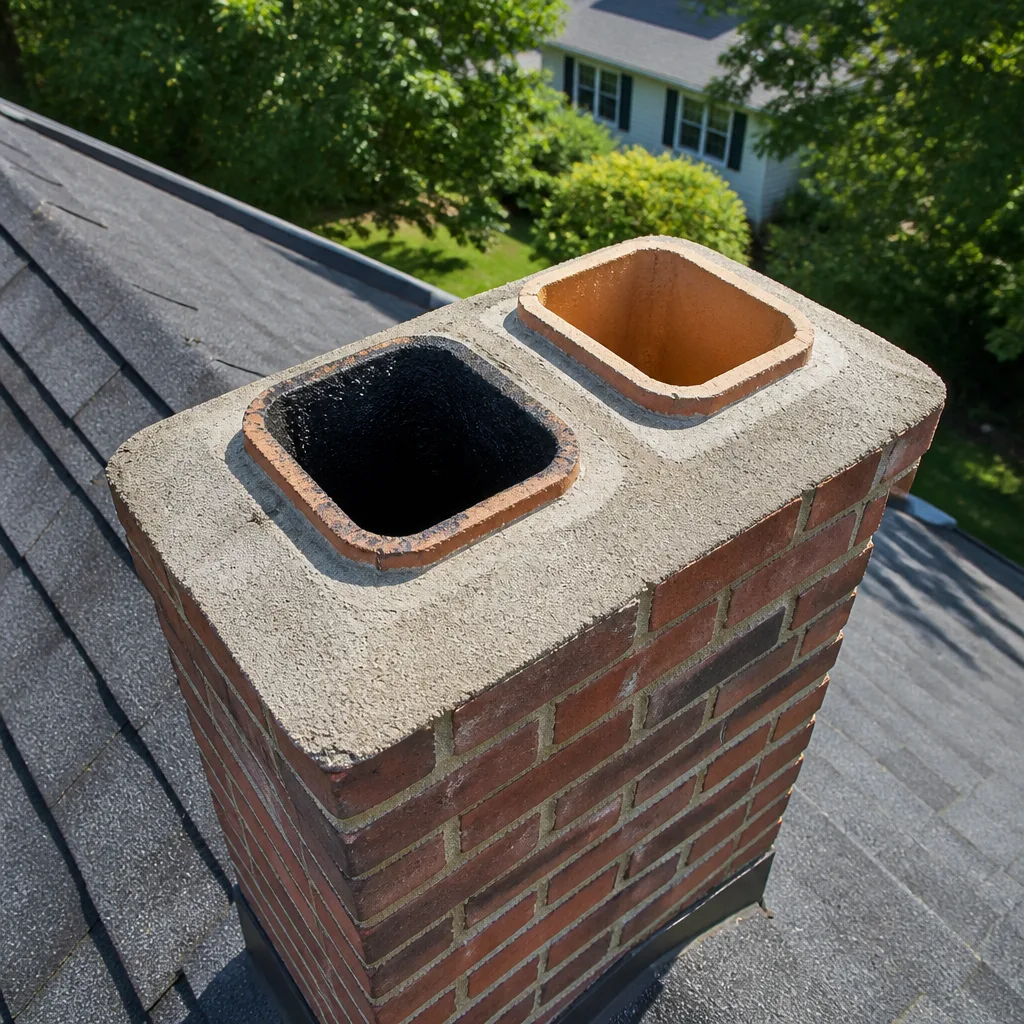 Sweep & inspection
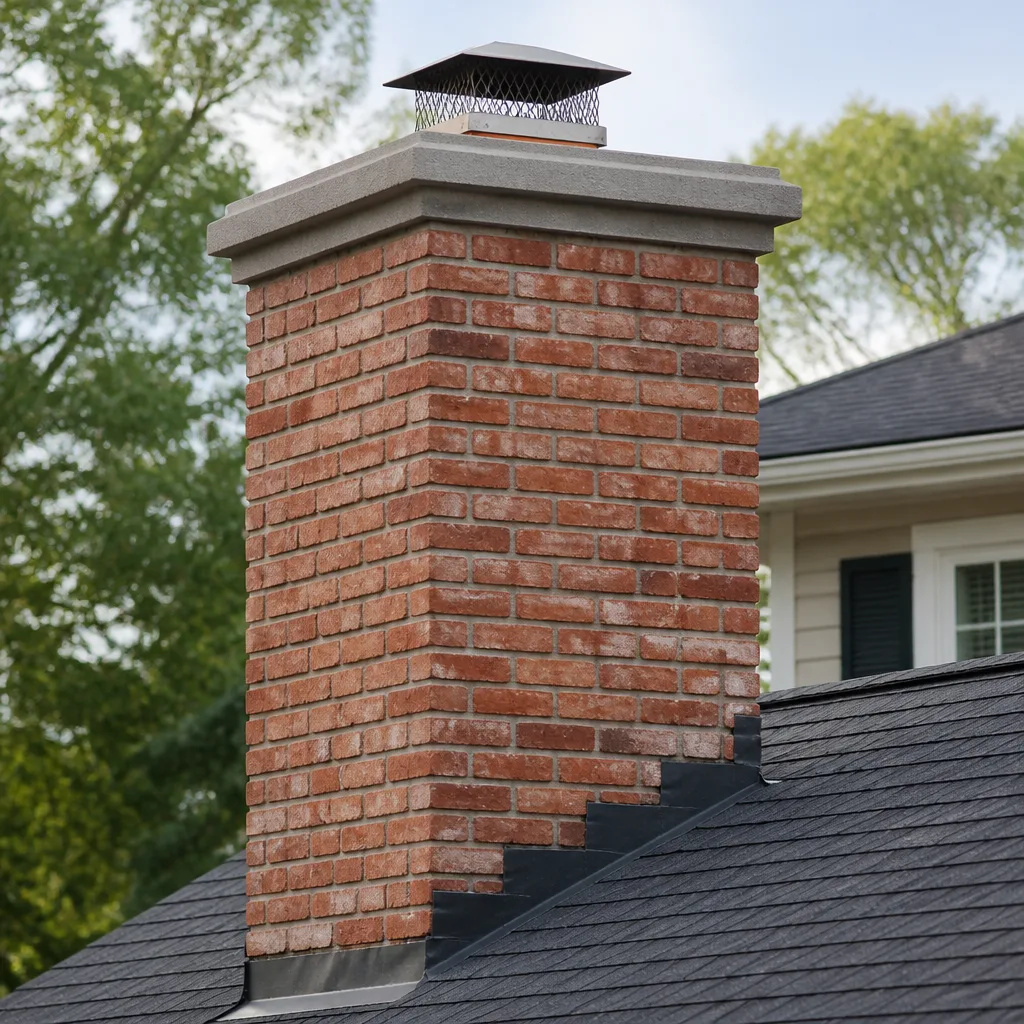 Caps & crowns
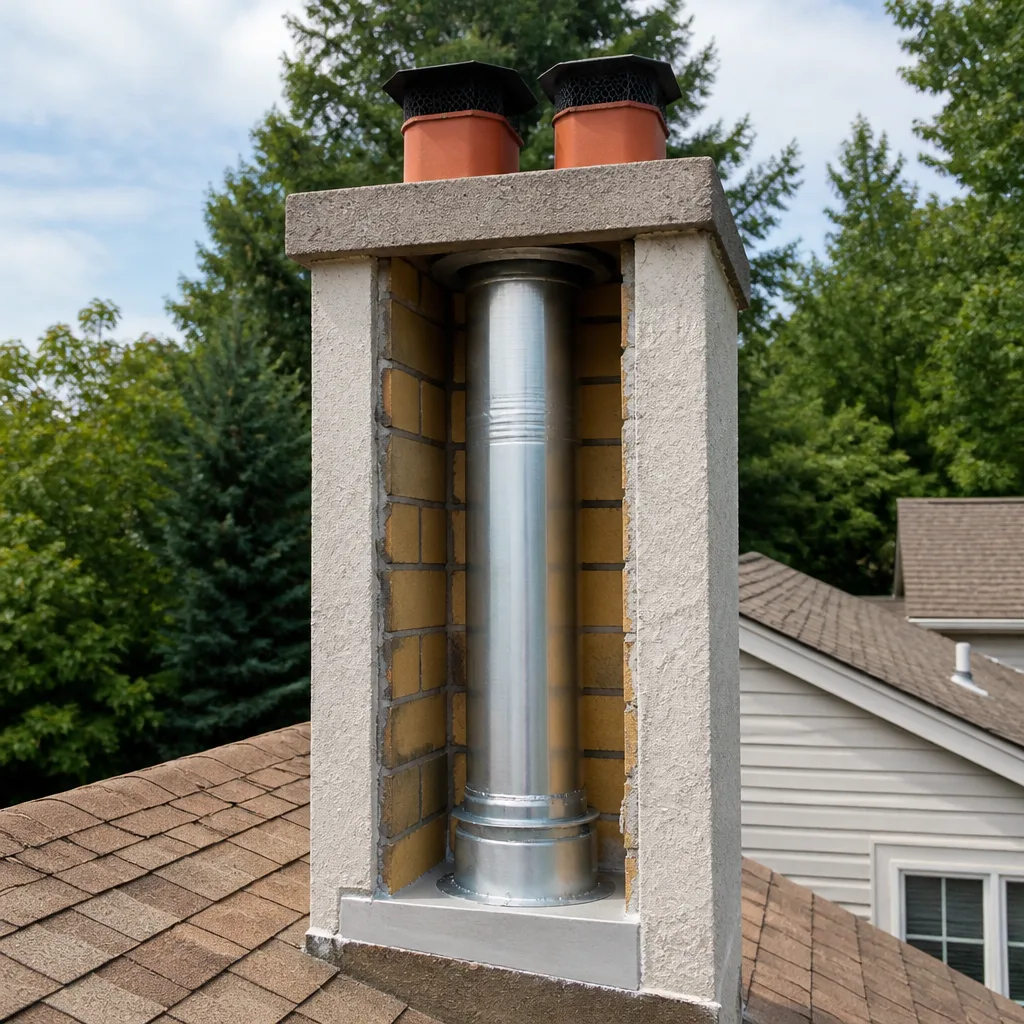 Flue relining
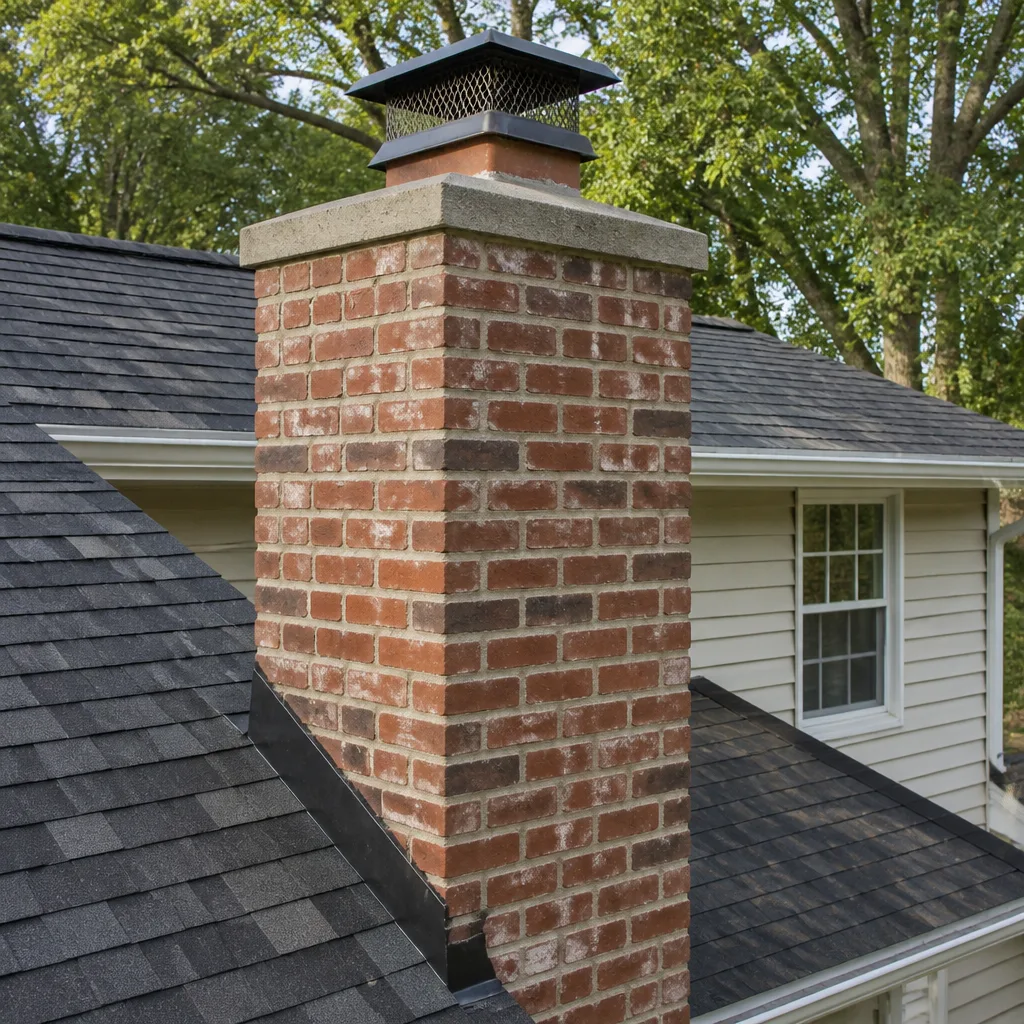 Masonry repair
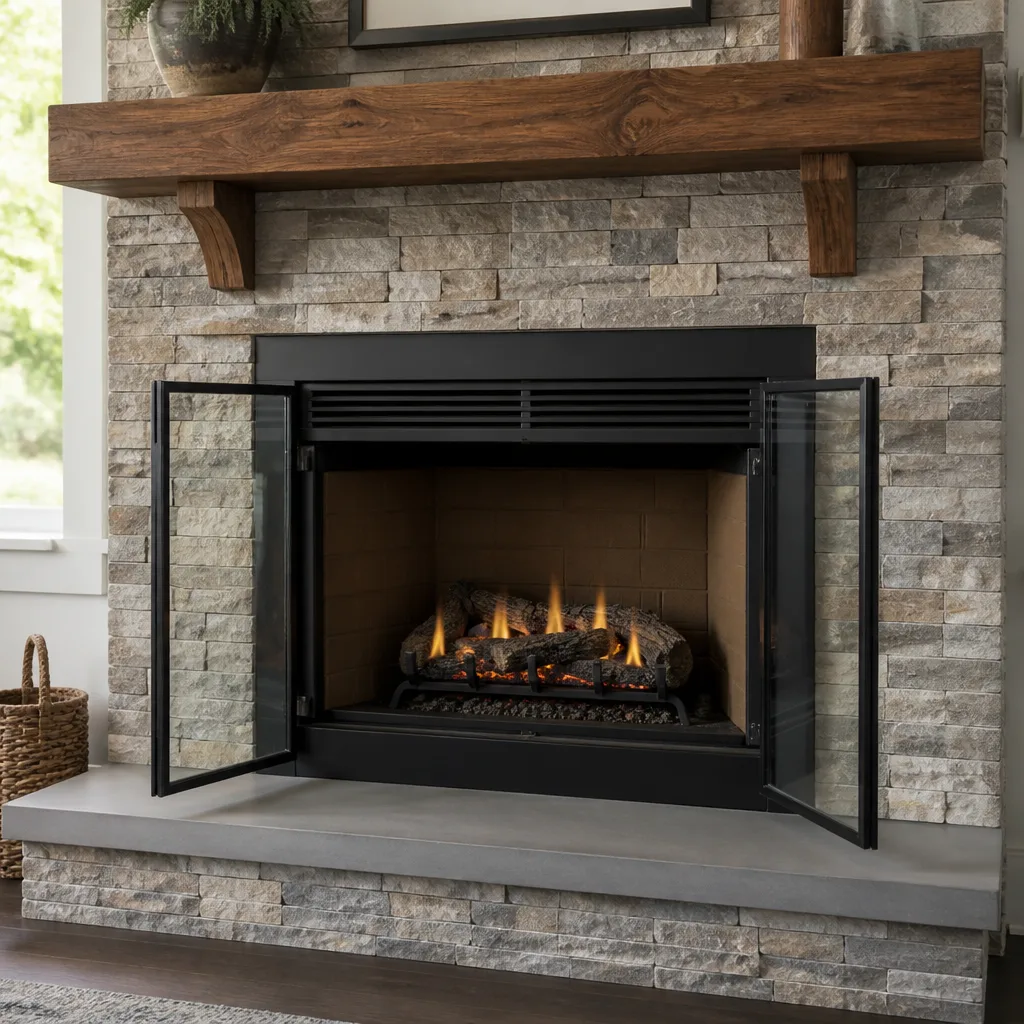 Gas fireplace service
Level 1 sweep and inspection to the NFPA 211 annual standard - flue, crown, cap, and flashing checked and photographed
Chimney sweep logs do not sweep chimneys. They loosen some creosote - which then falls where a brush and vacuum still have to collect it.
Chimney Cleaning Permits, Codes & Inspections in Fishers, IN: What You Need to Know
A chimney company that tells you no permits are ever needed for chimney work isn’t lying about the cleaning itself – but it may be leaving out the part about the repairs it’s also selling you. Cleaning is maintenance and doesn’t require a permit. Relining, cap replacement, firebox rebuilds, and anything that alters the structure of the chimney often do, and the line between the two is where homeowners get into trouble. Unpermitted chimney work tends to sit quietly until a real estate transaction, an insurance claim, or a home inspection pulls it into the light. This guide walks through what requires a permit in Fishers, how the code and inspection standards actually work, and how to check records on your own chimney.
Quick Answer
A routine chimney cleaning in Fishers does not require a permit. Permitted repair work is different: relining, firebox rebuilding, structural changes, and certain cap or chase modifications typically require a permit through the City of Fishers or Hamilton County before work begins. NFPA 211 is the national standard local inspectors reference for chimney systems, and a Level 2 inspection is the one most home sales and post-incident situations call for.
Styles & brands we work with
- Sweep & inspection
- Caps & crowns
- Flue relining
- Masonry repair
- Gas fireplace service
Table of Contents
- Cleaning Versus Repair: Where the Permit Line Sits
- Permit Thresholds for Fishers and Hamilton County
- NFPA 211 and How Local Inspectors Use It
- What a Level 2 Inspection Reveals That a Cleaning Report Won’t
- How Unpermitted Chimney Work Surfaces at Resale
- How to Request Chimney Inspection Records in Hamilton County
- How Fishers Weather and Housing Shape What We Find
- From Diagnosis to Repair: What the Process Looks Like
Cleaning Versus Repair: Where the Permit Line Sits
The single most useful distinction in chimney work is between maintenance and alteration. Sweeping removes creosote and debris from a flue that stays in its current condition. Alteration changes something about the system: the liner, the firebox, the crown, the cap, or the structural path of the flue. Maintenance is not permitted work. Alteration usually is.
In our experience across Fishers, homeowners hear “no permit needed” from a sweep and assume that covers everything that follows. It rarely does. Here’s how the split looks on a typical job:
- No permit typically required: standard sweeping, a visual check of the firebox, removing a bird nest, brushing the smoke chamber, cleaning a glass door.
- Permit typically required: installing a new stainless liner, relining after a flue failure, rebuilding a firebox, replacing a damaged crown, structural changes to the chase, adding or changing a fuel-burning appliance connection.
- Ask your local building department: minor cap replacement, damper work, mortar joint repair on the exterior stack. These fall into gray areas depending on scope and whether the structural footprint changes.
The rule of thumb we pass along: if the work alters how the chimney is built or what it’s lined with, assume a permit is in play until the city says otherwise. A chimney sweep who doesn’t know the difference is a real problem. A specialist does. When we quote repair work in Fishers, the permit question gets asked before the estimate is written, not after.
Permit Thresholds for Fishers and Hamilton County
The City of Fishers runs its own building department under the Hamilton County permitting framework. Any structural or mechanical work on a chimney system – relining, firebox rebuilds, chase modifications – should be confirmed with the city before work starts. The department can tell you exactly which category your job falls into, what inspections are triggered, and what the final sign-off looks like.
Here’s what a homeowner should actually do, in order:
- Ask your chimney contractor, in writing, whether the work they’re proposing requires a permit.
- Call the City of Fishers building department to confirm the scope classification.
- Get the contractor’s answer about who pulls the permit. The permit should typically be pulled by whoever is performing the permitted work.
- Ask what inspections the permit triggers, and confirm those inspections actually happen.
- Keep the permit number and the final inspection record with your home files.
Relining is the job most often at the center of this. A stainless liner installation is a mechanical alteration to the flue, and in most Hamilton County jurisdictions that’s permitted work. If a company is installing a liner for you and doesn’t mention the permit at all, that’s a signal worth paying attention to. We handle relining jobs using professional-grade materials like DuraFlex flexible liner systems and HeatShield resurfacing, and the permit conversation happens up front because it protects both you and the work itself.
Not sure whether your job requires it? Call the city. The building department is the authority, not the contractor, and not us.
NFPA 211 and How Local Inspectors Use It
NFPA 211 is the National Fire Protection Association’s standard for chimneys, fireplaces, vents, and solid fuel-burning appliances. It’s the document a Fishers building inspector references when they look at a newly installed liner, a rebuilt firebox, or a chimney connection. It’s also the standard a chimney professional follows when conducting an inspection, regardless of whether a permit is involved.
Three parts of NFPA 211 come up most often in our work:
- Clearances: the specified distance between a chimney and combustible material. Renovations that close a gap the original builder left open create a clearance problem NFPA 211 addresses.
- Liner requirements: flues must be lined with an appropriate material for the appliance connected to them. A clay-tile flue serving a wood fireplace is different from a stainless flue serving a gas appliance.
- Inspection levels: NFPA 211 defines the three levels of inspection – Level 1, 2, and 3 – and specifies when each is appropriate. A Level 2 inspection is the one tied to home sales, appliance changes, and post-incident evaluation.
When a building inspector evaluates permitted work, they’re checking the finished product against these requirements. When we inspect a chimney in Fishers, we’re checking the same things. The standard is what makes the work defensible: to the city, to your insurer, and to a future buyer. It’s why we work with industry-recognized materials from brands like Olympia Chimney and Gelco rather than materials of unknown origin, and why the inspection report cites what it finds rather than offering vague impressions.
What a Level 2 Inspection Reveals That a Cleaning Report Won’t
A cleaning report tells you what was in the flue and that it was removed. A Level 2 inspection tells you what the system actually looks like and whether it’s safe to use. They’re not the same thing, and the difference matters most during a home sale.
NFPA 211 requires a Level 2 inspection when a property changes hands, when a new appliance is installed, or when an event like a chimney fire has occurred. The Level 2 goes beyond the accessible portions of the flue and includes the attic, the crawl space, and any portion of the chimney that can be reached. A camera is used to see inside the flue, and the report documents what the camera shows.
Here’s what a Level 2 turns up that a basic sweep does not:
- Hidden cracks in clay tile liners that a visual check from the firebox can’t see.
- Gaps or disconnections at flue joints behind the visible stack.
- Incorrect clearances from combustibles in the attic or chase.
- Previous liner installations that may – or may not – have been permitted.
- Signs of past over-firing, chimney fire, or water intrusion.
- The condition of the crown, cap, and chase top, which a sweep from the firebox side won’t reveal.
For buyers in Fishers neighborhoods like Saxony, Brooks Chase, or the older pockets closer to downtown Fishers, this inspection is one of the more consequential items in the transaction. A Level 2 with photo documentation protects the buyer, gives the seller a clean disclosure, and gives the lender or insurer something concrete to rely on. Anything less leaves the chimney as an open question. We include camera verification and a photo report on our inspections for exactly this reason: the findings should be visible to the homeowner, not just described.
How Unpermitted Chimney Work Surfaces at Resale
Unpermitted chimney work is quiet. It doesn’t trip a breaker or leave a stain on the ceiling. It sits in the house until something forces it into the record, and that something is usually a real estate transaction, an insurance claim, or a home inspection triggered by the sale.
Here’s the sequence we see, generally speaking, when it happens:
- A buyer’s inspector notes a recent-looking liner or firebox rebuild and asks for documentation.
- The seller can’t produce a permit or inspection record.
- The buyer’s lender or insurer wants written confirmation the work was done correctly.
- A Level 2 inspection is ordered to verify the system.
- If the work doesn’t meet NFPA 211 requirements, remediation is quoted – which can mean redoing what was already paid for.
- Timelines extend, the transaction renegotiates, and the cost of the original work essentially doubles.
The remediation cost depends entirely on what was done wrong. An unpermitted liner installed at the wrong size for the appliance needs to be replaced. A firebox rebuilt without proper clearance to combustibles is a safety problem, not just a paperwork one, and it needs to be corrected before the house can close with a clear conscience. None of this shows up on a routine sweep report. It only shows up when someone looks.
Homeowners who call us to chimney repair around a pending sale usually know something is wrong but don’t know what. Documented findings from a camera inspection give them an answer they can act on. If your home was purchased in Fishers in the last decade and the chimney hasn’t been inspected since, it’s worth verifying the work that’s inside it.
How to Request Chimney Inspection Records in Hamilton County
For permitted chimney work, a record should exist. How to request it depends on the workflow, but the approach is the same: contact the City of Fishers building department, give them your property address, and ask for permit history related to chimney or fireplace work. Most jurisdictions will provide what’s on file, sometimes for a small records fee, sometimes by request only.
The process looks like this:
- Call or visit the City of Fishers building department and state your address.
- Ask for all permits and inspection records associated with chimney, fireplace, or flue work on the property.
- Request copies of any final inspection sign-offs, not just the permit applications.
- If no records exist, request written confirmation of that – it matters for insurance and resale.
If the records don’t exist for work that was clearly done, the safest path is a Level 2 inspection to document what’s actually in the chimney. That report becomes the substitute record. It’s not the same as a permit, but it tells a buyer, a lender, or an insurer what they need to know. In our experience, an inspection report is often accepted where a permit record isn’t available, provided it’s a Level 2 with camera documentation.
If you’re not sure where to start, we can help you figure out what to ask for. Fishers Chimney Sweep handles inspection and documentation as part of our core service, and the findings connect directly to repair work we can perform in-house.
How Fishers Weather and Housing Shape What We Find
Fishers is central Indiana – wet springs, humid summers, cold winters, and freeze-thaw cycles that hit masonry hard. A chimney in this climate sees outdoor temperature swings that crack mortar joints, separate crowns, and work water into masonry. Over enough winters, that freeze-thaw cycle is the reason a lot of the repairs we quote in Fishers begin as a small crack and end up as a rebuild.
Housing stock matters too. The newer construction in neighborhoods like Saxony and Fishers Pointe tends toward factory-built fireplaces with metal chases and prefabricated chimney systems. The older homes closer to the original town center tend toward masonry chimneys with clay-tile liners. Those two systems fail differently and are inspected differently. A camera inspection on a factory-built unit is looking for failed seals and disconnected sections. On a masonry chimney, it’s looking for cracked tiles, missing mortar joints, and spalling.
Fuel type shapes the maintenance conversation as well. A wood-burning fireplace builds creosote with use, and creosote is what a routine sweep removes. A gas fireplace leaves far less creosote but produces moisture that can degrade a flue over time, and that moisture problem is often invisible from the firebox. Either way, the chimney sweep is the starting point that tells us what we’re actually dealing with, before we recommend repairs.
From Diagnosis to Repair: What the Process Looks Like
An inspection that ends with a report and a shrug isn’t useful. The value of a professional chimney inspection is that the findings lead somewhere – a defined repair scope, using materials appropriate to what was found, with the permit and documentation handled as part of the work.
The path we follow for a repair job in Fishers:
- Inspection. Level 1, 2, or 3 depending on what triggers it. Camera verification and a photo report go with it.
- Findings review. We walk through what the photos show and explain what’s safe to defer and what needs action now.
- Repair scope and estimate. A written estimate with the material specified – not a range.
- Permit decision. Whether the work requires a permit is confirmed before the job is booked, not after.
- Execution. Relining, resurfacing, or rebuilding using professional-grade materials. Flexible liner installations use the DuraFlex system. Deteriorated flue liners that don’t need full replacement are candidates for HeatShield resurfacing, which restores the flue from the inside rather than tearing it out.
- Closeout. Documentation of the completed work, including inspection sign-off if a permit was involved.
The HeatShield option is where the permit and inspection conversation gets interesting. Resurfacing falls in a different category than full relining in some jurisdictions, and whether a permit is triggered depends on the local building department’s read of the scope. We ask. That’s the difference between a repair that holds up and one that gets flagged three years later when you sell the house. If you’re in Fishers and the inspection turns up a liner problem, the repair path is defined before anyone signs anything.
Common Mistakes to Avoid
- Assuming “no permit needed” covers the whole job. Cleaning doesn’t require a permit. The liner replacement that follows a cleaning often does. Get the answer in writing before the work is booked, not after.
- Accepting a cleaning report as documentation of the chimney’s condition. A cleaning report says what was in the flue. It doesn’t verify liner integrity, clearances, or crown condition. If your home is being sold in Fishers, the sale calls for a Level 2 inspection.
- Skipping the permit on a relining job to save time or cost. The unpermitted liner becomes a problem at the next home sale, and remediation is often more expensive than doing it correctly the first time.
- Hiring a generalist for a job that needs a specialist. A handyman can brush a flue. A handyman cannot tell you what an NFPA 211 violation in your flue looks like, or how to document a Level 2 inspection for a lender.
- Assuming pre-2000 chimney work in Fishers was permitted. It may have been, and it may not have been. Pull the records. If they don’t exist, order an inspection.
- Waiting until the first cold snap to think about it. Chimney inspection and repair queues tighten in fall. Late summer and early fall are the practical window to get a Level 2 on record before the heating season.
- Ignoring small masonry issues because they “look cosmetic.” A visible mortar crack or spalled cap in a Fishers freeze-thaw winter is the entry point for water, and water is what turns a small repair into a rebuild.
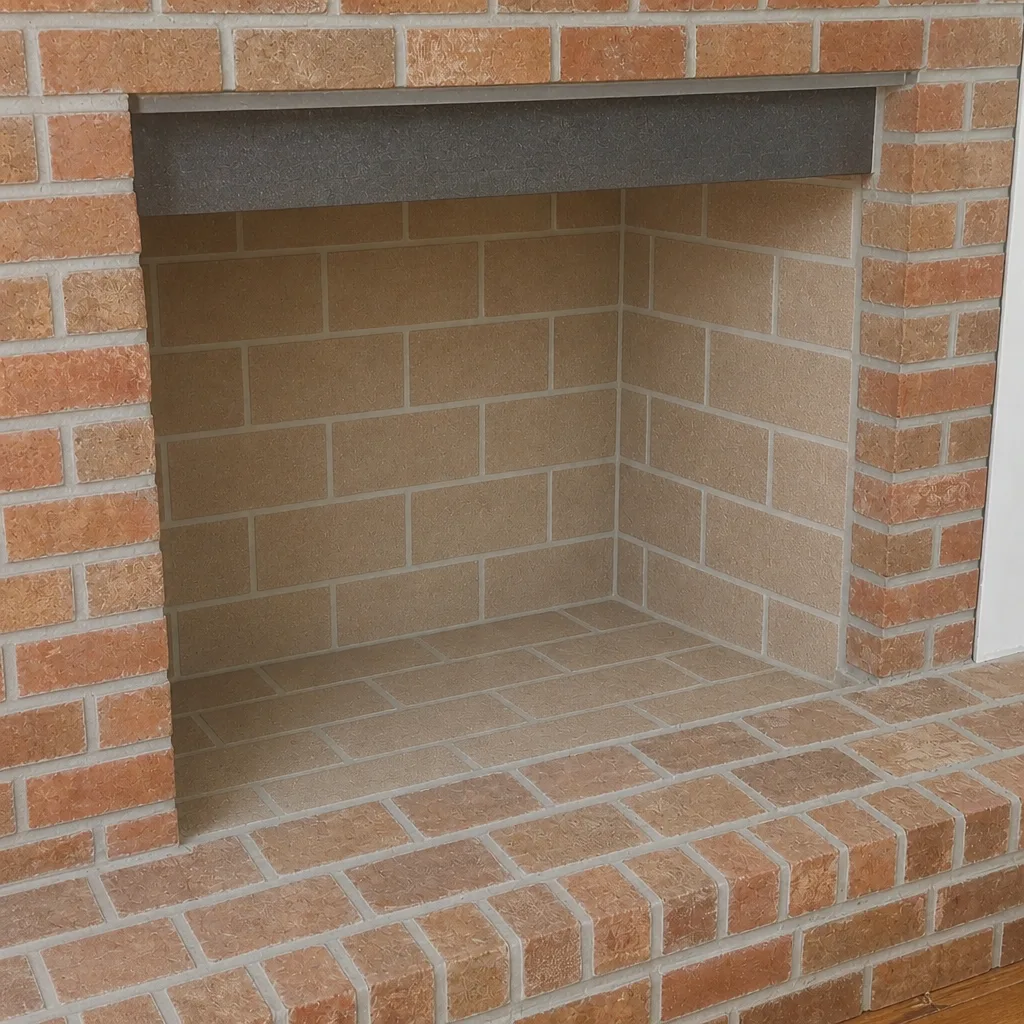
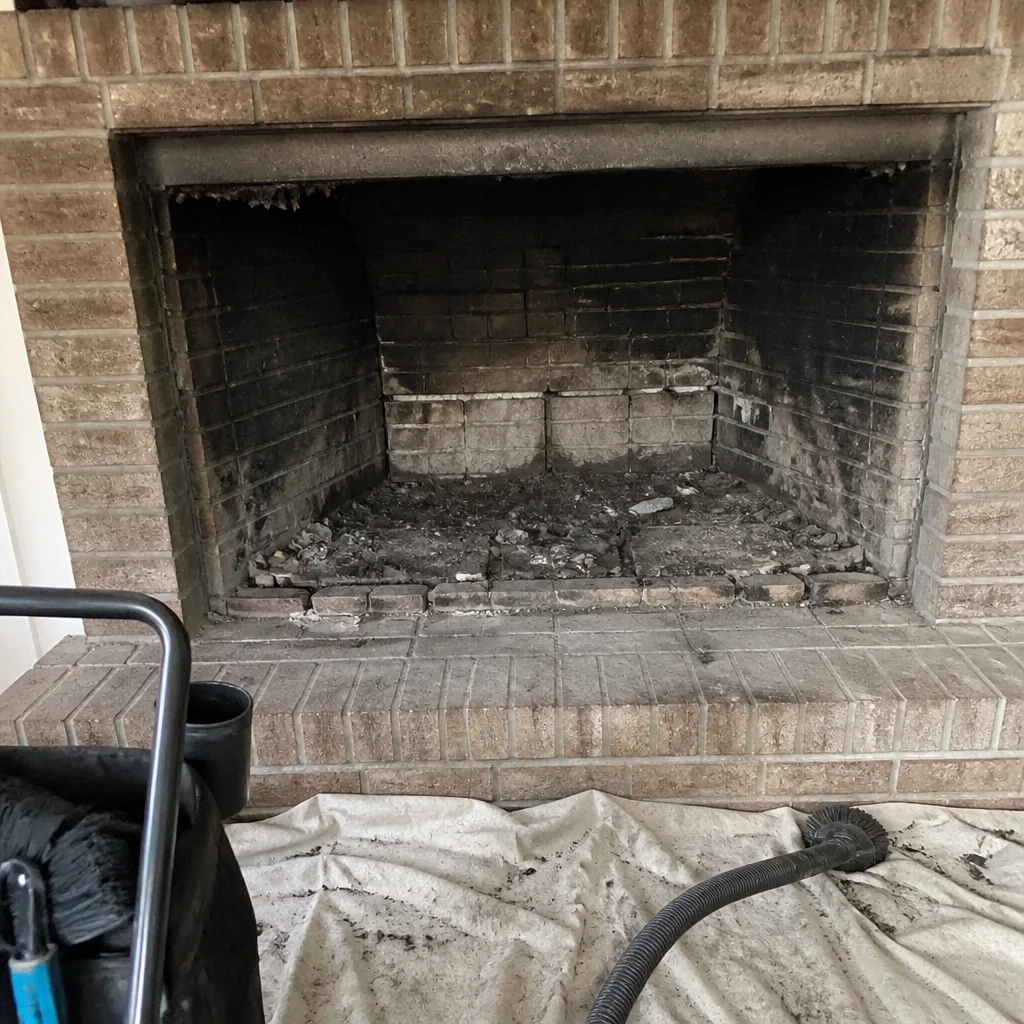
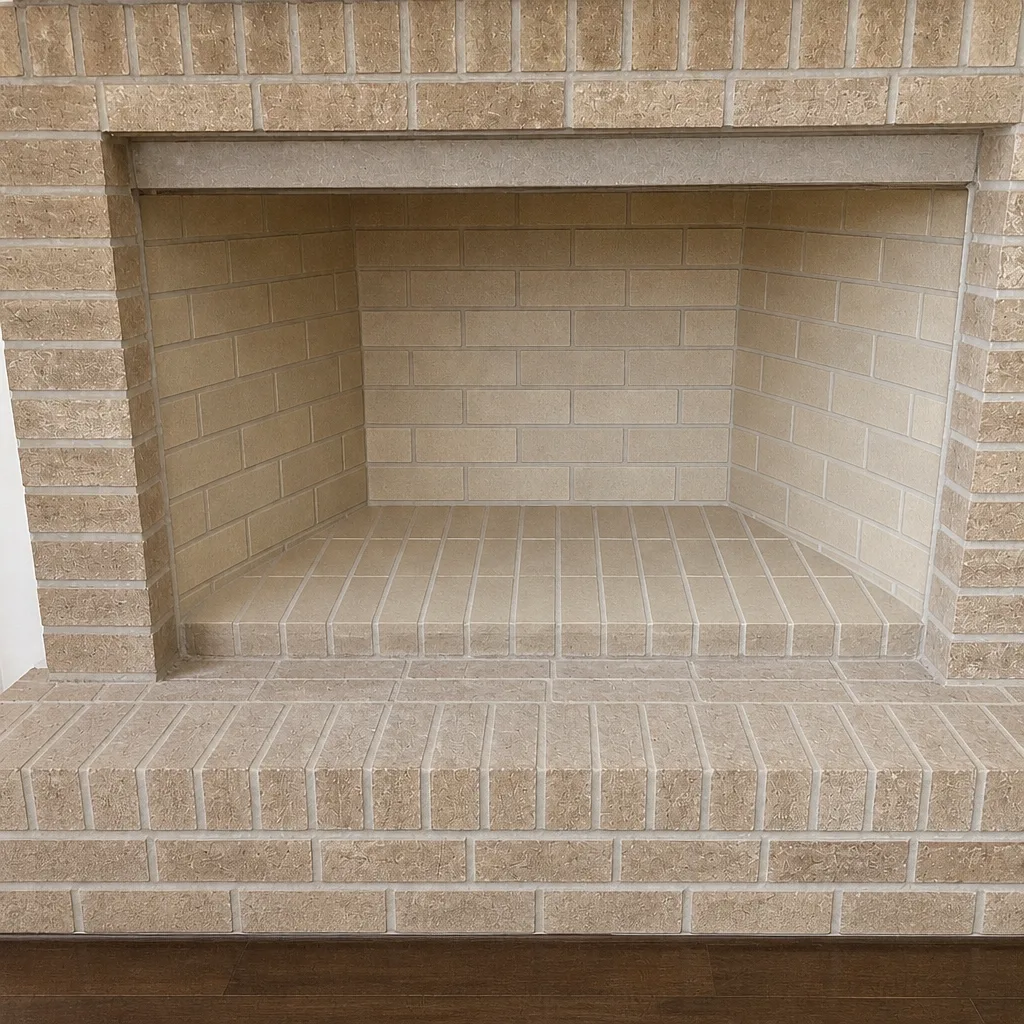
See the difference
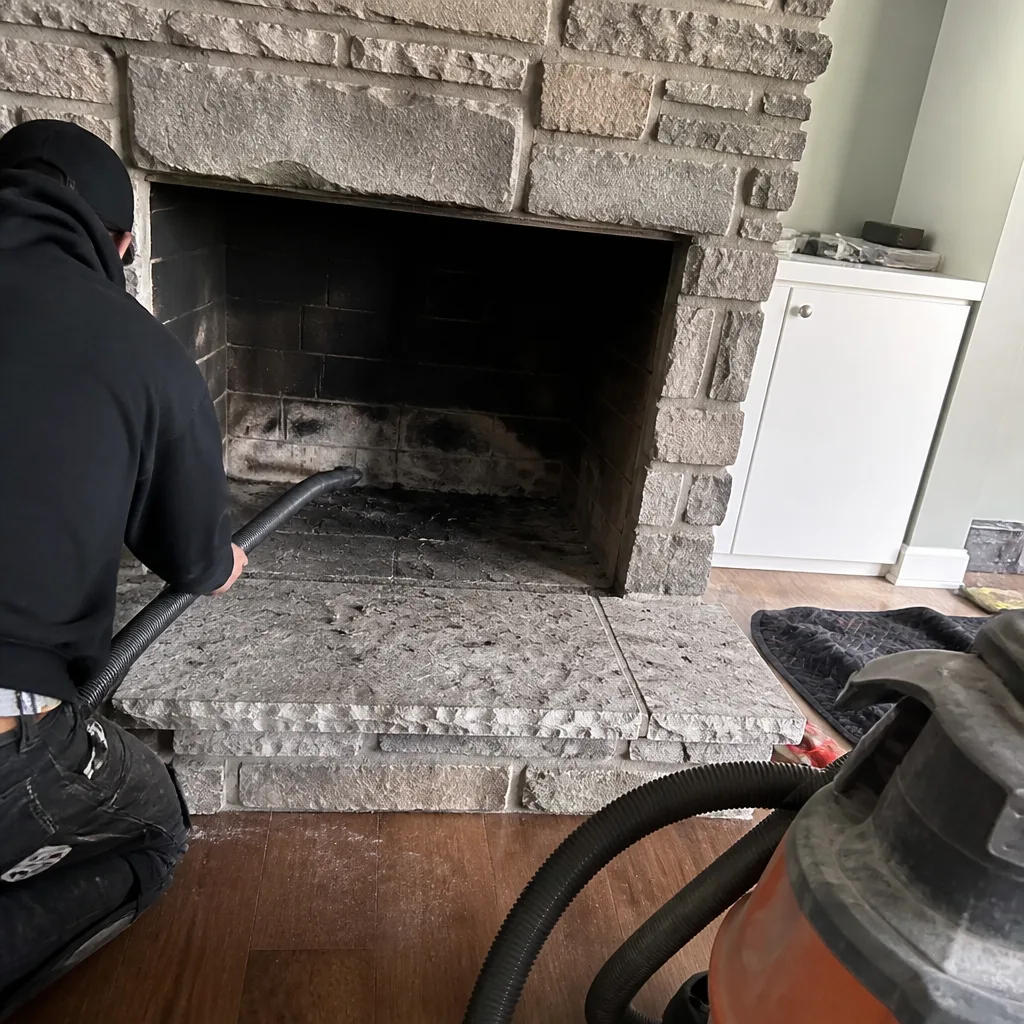 Before
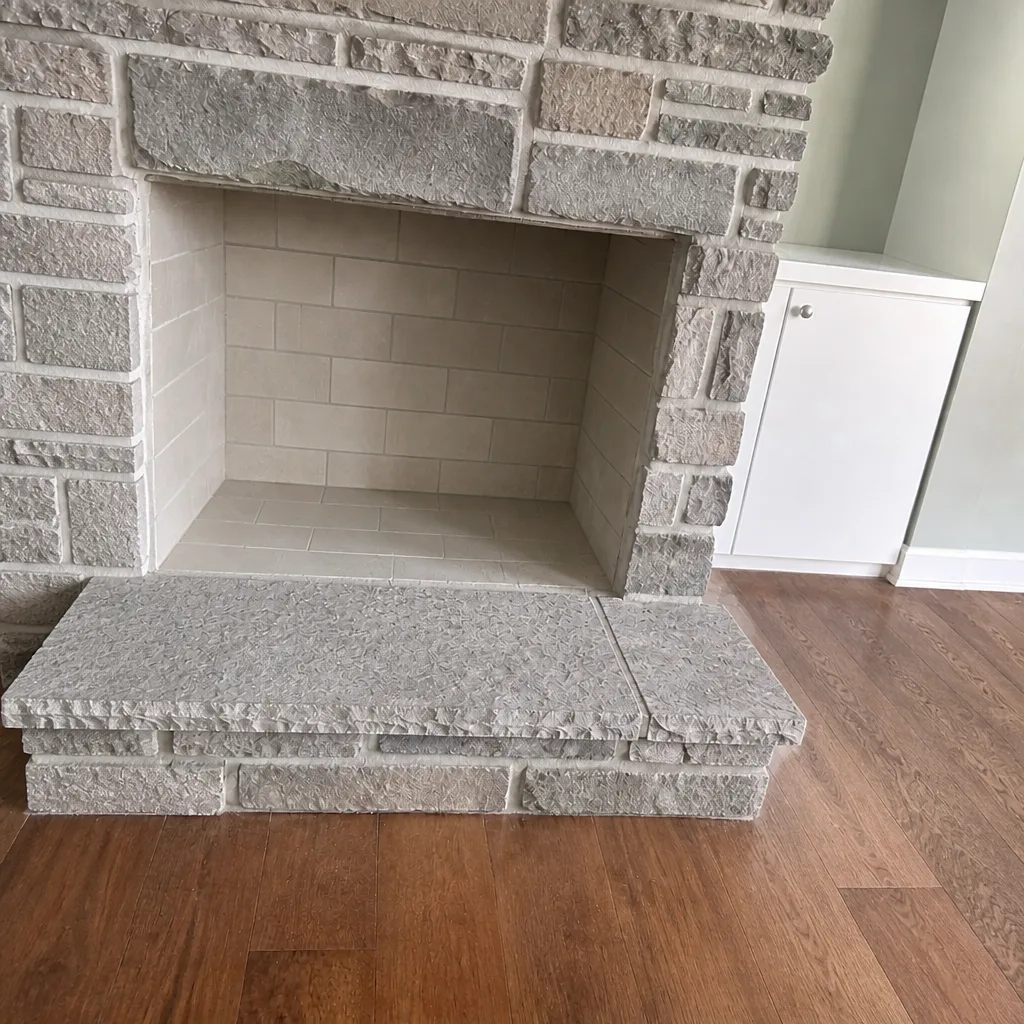 After
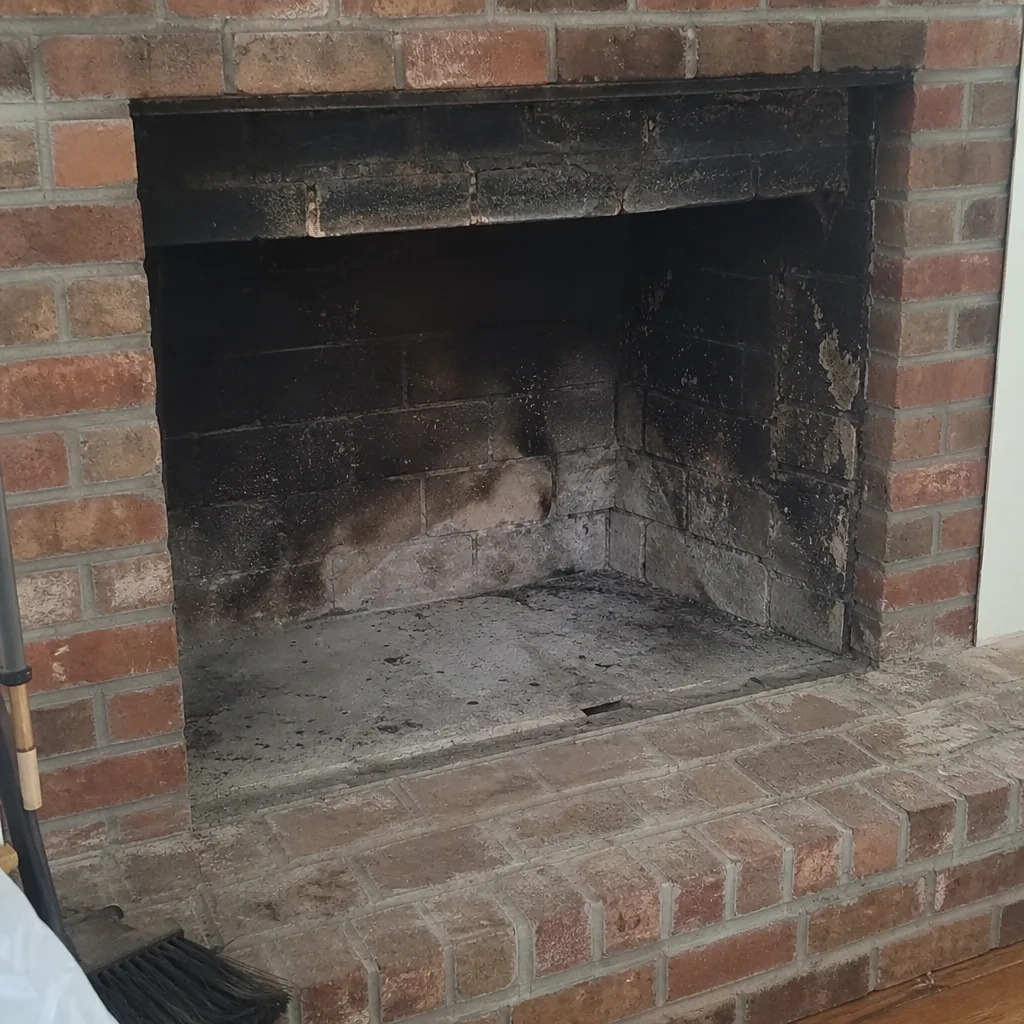 Before
 After
 Before
 After
When to Call a Professional
Call a specialist when the work involves anything beyond routine sweeping – liner decisions, firebox condition, documentation for a sale, or an inspection the lender or insurer has asked for. Call when you’ve just bought a Fishers home and don’t have chimney records for it. Call when a contractor has quoted relining or firebox work and hasn’t mentioned permits. Call when you’ve had a chimney fire, even a small one, or when the flue hasn’t been inspected since the appliance was installed. Call before the heating season if the chimney hasn’t been swept in over a year and you can’t document when it was last done.
Safety is the honest reason for this list. Creosote accumulation is a chimney fire risk, and a failed liner is a carbon monoxide path into the home. Neither of them announces itself. An inspection finds them. Fishers Chimney Sweep offers free estimates in Fishers – call (844) 761-5757.
Frequently Asked Questions
No. Routine chimney cleaning in Fishers is maintenance and does not require a permit.
What does require a permit is the repair work that follows a cleaning: relining, firebox rebuilds, structural changes. The distinction matters because a sweep and a relining are often quoted together, and only one of them is permitted work. Call (844) 761-5757 for an exact quote – estimates are free.
Usually, yes. Relining is a mechanical alteration to the flue, and in most Hamilton County jurisdictions that’s permitted work.
The scope and inspection requirements should be confirmed with the City of Fishers building department before work starts. A contractor who doesn’t ask the question is a red flag. Call (844) 761-5757 for an exact quote – estimates are free.
A Level 2 inspection is the NFPA 211-defined inspection required during home sales, after appliance changes, and following an incident such as a chimney fire. It goes beyond the accessible portions of the flue and includes the attic, crawl space, and camera verification.
If you’re buying or selling a home in Fishers and the chimney hasn’t been inspected, this is the one to order before closing. Call (844) 761-5757 for an exact quote – estimates are free.
Contact the City of Fishers building department and request the permit and inspection records for your property address. If records exist, they should show the permit and the final sign-off.
If no records exist for work you can see was completed, a Level 2 inspection documenting the current condition is the practical substitute. Call (844) 761-5757 for an exact quote – estimates are free.
It can, yes. Insurers and buyers may ask for documentation on recent chimney work, and a missing permit record becomes an open item in the transaction.
The remedy is documentation after the fact: a Level 2 inspection report with photo evidence, and any corrective work needed to bring the system to NFPA 211 standards. Call (844) 761-5757 for an exact quote – estimates are free.
Sweep whenever a season’s worth of wood has been burned, and inspect annually in the same visit. A chimney in active use in Fishers generally gets swept once a year; heavy use accelerates that.
The inspection that comes with the sweep is what catches liner and masonry issues before they become repairs. Call (844) 761-5757 for an exact quote – estimates are free.
The Bottom Line
Cleaning a chimney in Fishers is maintenance. Changing something about how it’s built is alteration, and the second category is where permits, NFPA 211, and inspection records come into the picture. Buyers, lenders, and insurers want a defensible paper trail, and unpermitted work tends to surface at the worst possible time. A Level 2 inspection with camera documentation is the substitute when records are missing, and it’s the right call before any sale or major repair. Our technicians have up to 14 years of experience with the full sweep, inspection, and repair cycle, and we handle the permit question before the estimate, not after.
If you want to know what’s actually inside your chimney before winter – and what it would take to bring it to standard – call Fishers Chimney Sweep at (844) 761-5757 for a free estimate. We answer 24/7. Fast dispatch from 7am to 7pm, Sunday through Friday. Whether you’re buying a home, selling one, or just got a quote you’re not sure about, we’ll show you what the camera sees and tell you plainly what can wait.
Written by the team at Fishers Chimney Sweep.