
Last updated November 15, 2026
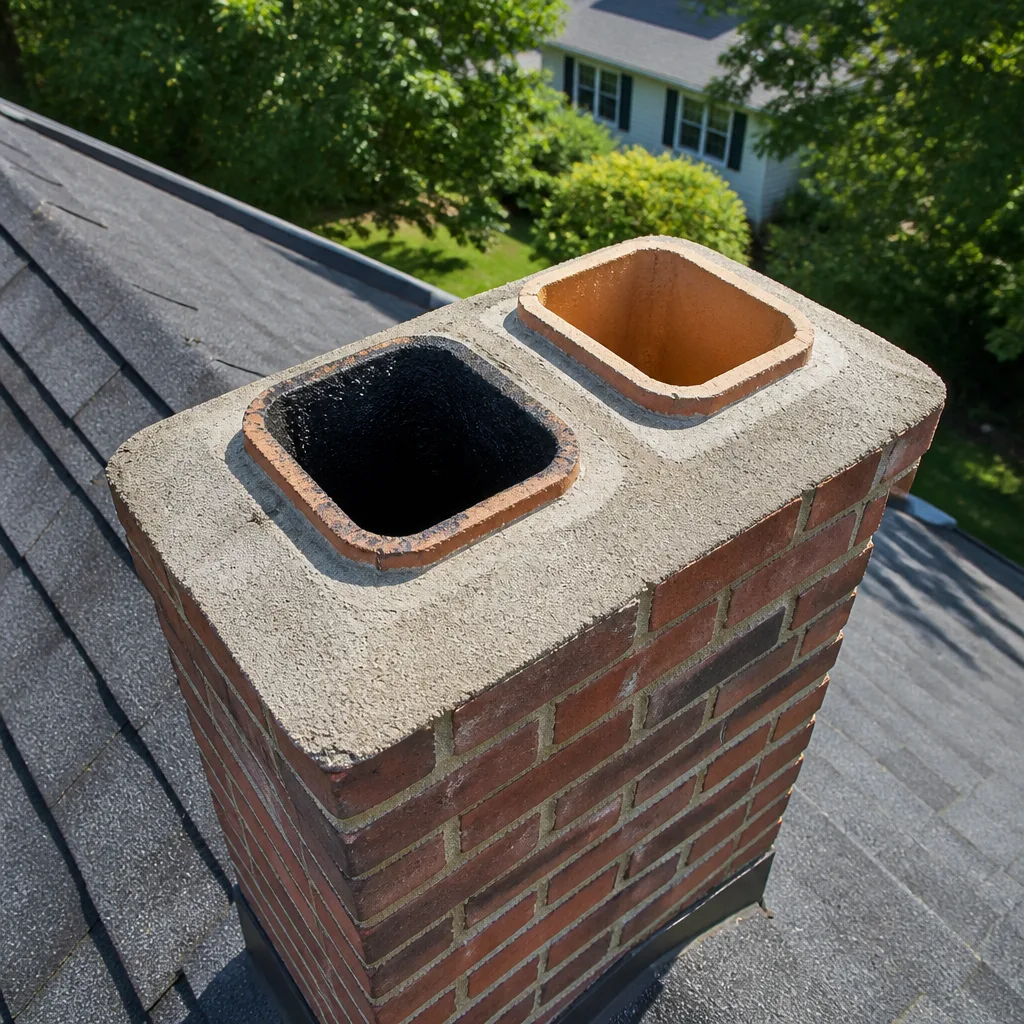 Sweep & inspection
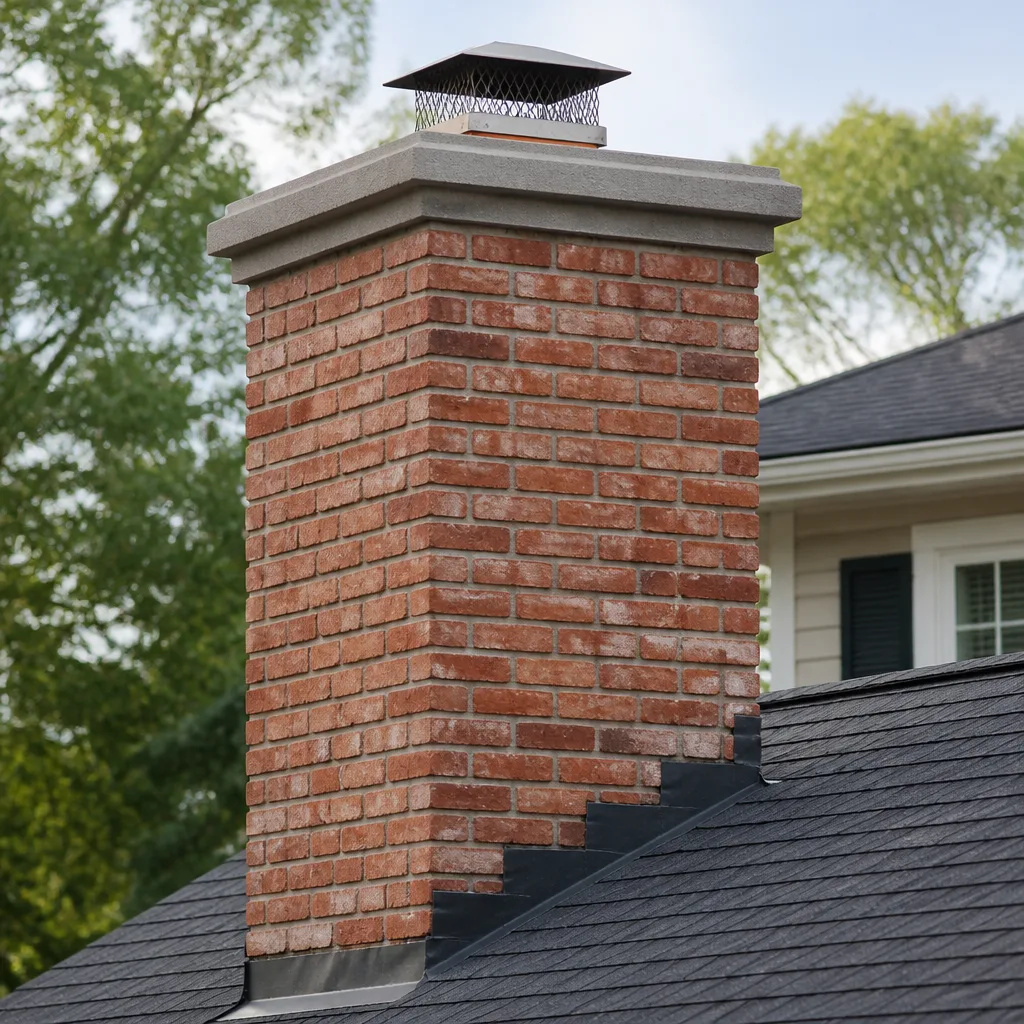 Caps & crowns
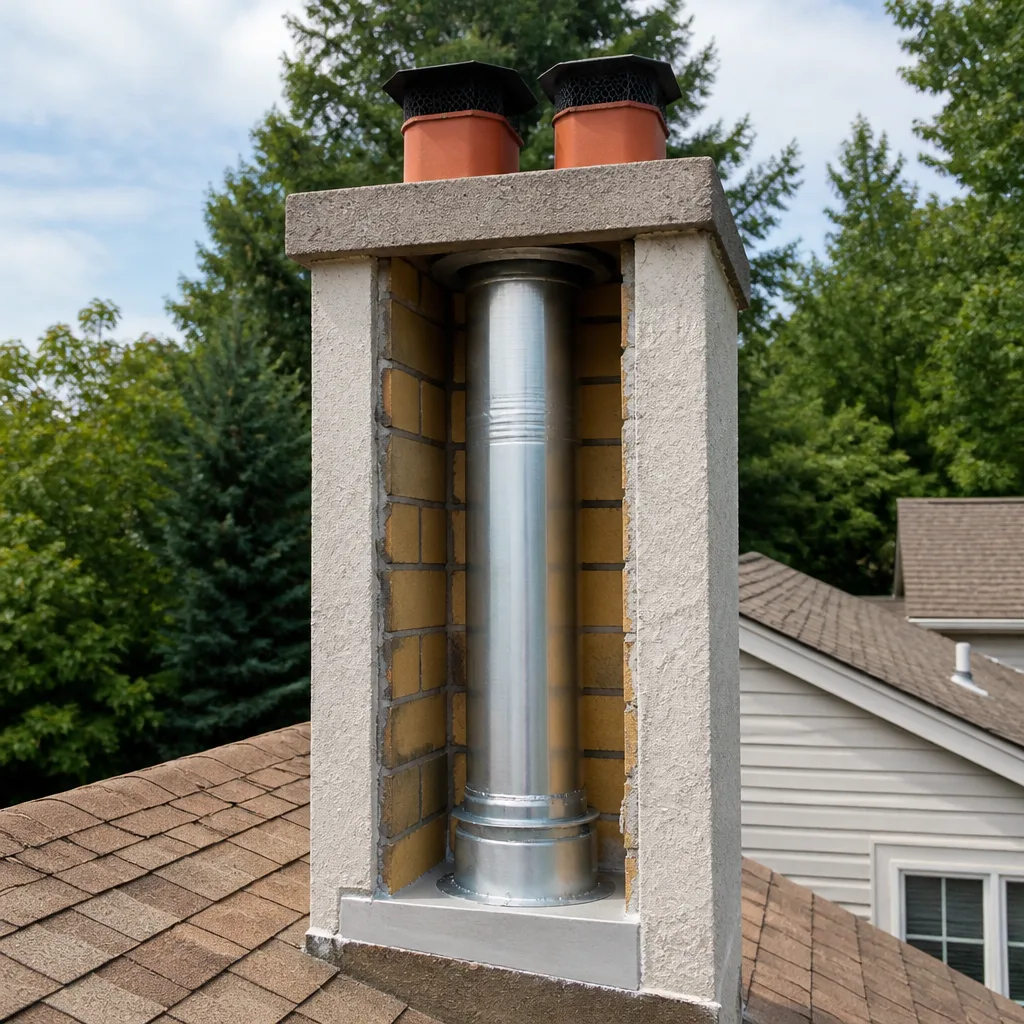 Flue relining
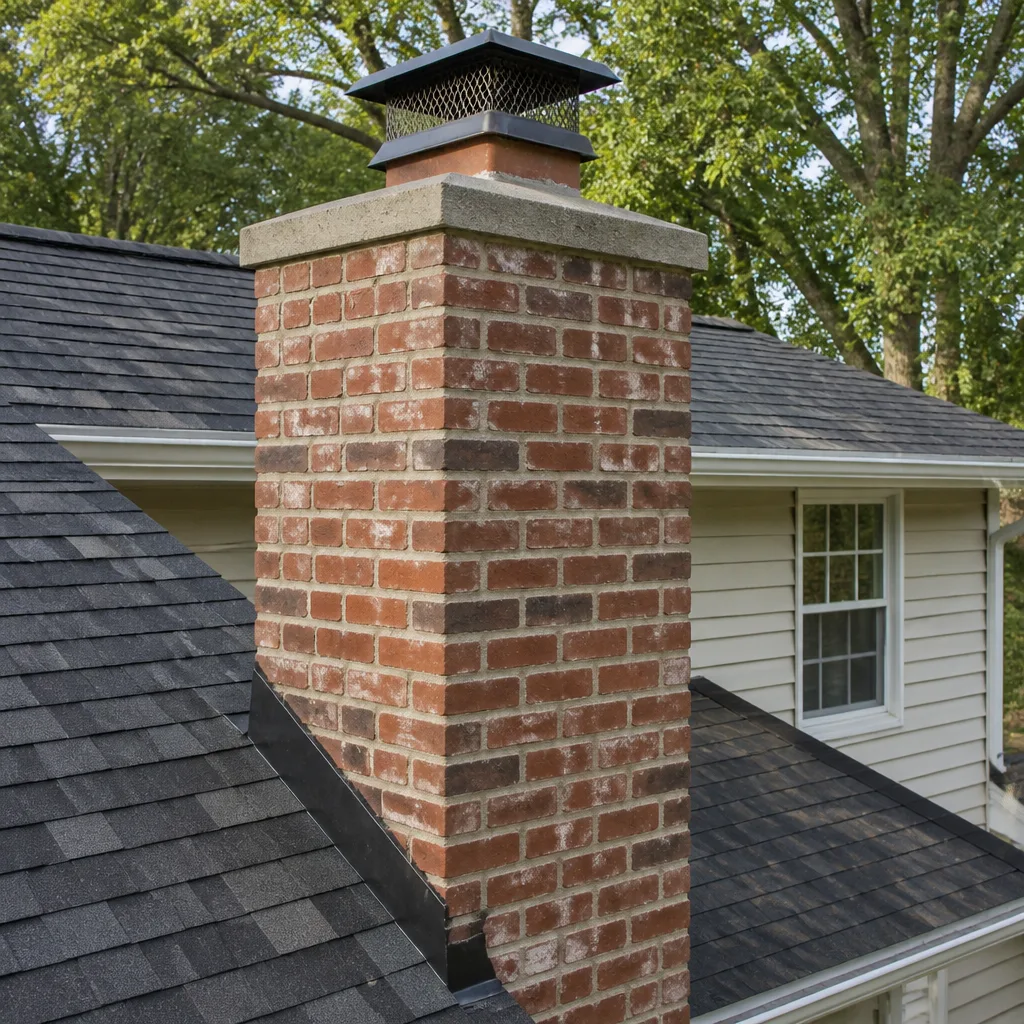 Masonry repair
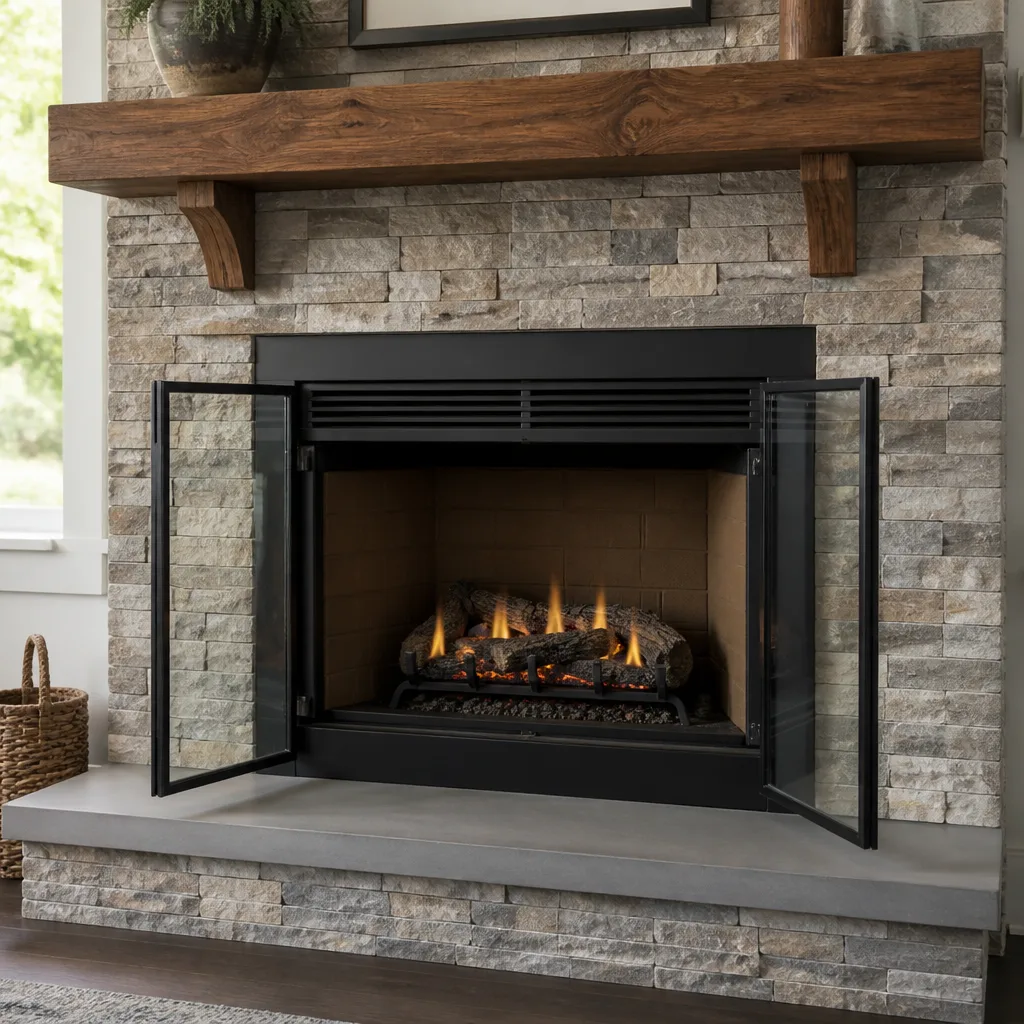 Gas fireplace service
Level 1 sweep and inspection to the NFPA 211 annual standard - flue, crown, cap, and flashing checked and photographed
Chimney sweep logs do not sweep chimneys. They loosen some creosote - which then falls where a brush and vacuum still have to collect it.
Seasonal Chimney Cleaning Care for Fishers: Year-Round Homeowner’s Guide
Most homeowners in Fishers treat a chimney sweep like an oil change: once a year, whenever it comes to mind. That’s the wrong model for a place with real winters. Central Indiana puts a chimney through four distinctly different kinds of stress in a single year, and each one shows up on a different part of the system. The October cleaning, the one everyone remembers to book, is actually the worst time to schedule it: availability tightens, first fires get lit before the work happens, and problems that started in spring have had six more months to worsen. This guide lays out what each season does to your chimney in Fishers, when to actually book service, and how a rolling two-year plan keeps repairs small.
Quick Answer
The best time to schedule chimney cleaning in Fishers is late spring through mid-summer, not fall. Book by May or June to beat the fall rush, get an inspection right after the heating season ends, and use the warm, humid months to address draft odors and any masonry repairs. If you haven’t cleaned yet this year, book now – waiting until October usually means a four to six week wait, often past the first cold snap.
Styles & brands we work with
- Sweep & inspection
- Caps & crowns
- Flue relining
- Masonry repair
- Gas fireplace service
Table of Contents
- The Best Service Window for a Fishers Chimney
- What Freeze-Thaw Cycles Do to Brick and Mortar
- Spring Priorities: What to Inspect Before You Close Up
- Summer Chimney Care: Why Odors Peak in Humidity
- Fall: The Compressed Shoulder Season
- Winter: What to Watch During Burning Season
- Building a Two-Year Rolling Maintenance Calendar
- Common Mistakes to Avoid
The Best Service Window for a Fishers Chimney
The best time to book chimney cleaning in Fishers is late spring through early summer – roughly May into July. That window sits in a sweet spot: heating season has ended, spring rains have already exposed any leaks, and appointment availability is at its widest. We’ve seen the same pattern repeat every year, and it usually looks like this:
- By late April: The last fires of the season are done. Any creosote build-up from winter is fully deposited and stable.
- May to July: Sweeps have open slots. Weather allows exterior masonry work. Humidity starts testing your draft and odor situation.
- August to September: The schedule starts filling. Homeowners who wait see longer lead times.
- October: The rush. Appointment availability drops and the first genuinely cold nights in Fishers often arrive before a late-booked appointment does.
- November forward: If your chimney wasn’t cleaned in the fall, you’re either burning into a dirty flue or waiting.
That’s the practical version of the seasonal question. A chimney in Fishers doesn’t need cleaning on January 1 or July 1 – it needs cleaning before the season you’ll actually use it. Cleaning in late spring means you’re ready the moment the first cold snap hits, and you’ve had all summer to fix anything the inspection turned up. It also means the techs aren’t jammed, so you can usually get the work done on a day that fits your own schedule instead of settling for a Thursday in November.
Our technicians have up to 14 years of experience reading exactly these cycles. When you call, tell us what kind of fireplace or appliance you run and when you last had it serviced, and we can tell you whether you’re due or still have time.
What Freeze-Thaw Cycles Do to Brick and Mortar
Freeze-thaw cycling is the single most damaging thing Fishers weather does to a chimney, and it runs roughly from November through March. The mechanism is simple: water gets into a small crack or a porous mortar joint, freezes overnight, expands, and cracks the masonry a little further. Then it thaws, more water gets in, and the cycle repeats. Over one winter a hairline crack can turn into a joint that’s missing mortar. Over three, it can move a brick.
Central Indiana has the exact range of temperatures that drives this. Days around freezing often warm enough to melt snow and soak the crown and the mortar. Nights take it back below freezing. A chimney that goes through four or five months of that gets hundreds of small expansion-contraction cycles, not a handful. The parts most exposed are:
- The crown: The sloped concrete top that sheds water. A cracked crown is the single most common entry point for water.
- Mortar joints: Especially on the south- and west-facing sides, where sun and ice work together hardest.
- The flashing: The metal seal where the chimney meets the roof. Small gaps widen with movement.
- The flue liner: Cracks in a clay tile liner let moisture behind the tile, where it freezes and splits the tile further.
This is why Fishers chimneys need more than a sweep. If the sweep finds crumbling mortar or spalling brick – brick faces flaking off – the fix is repointing or a crown repair, and those are typically easier to schedule in spring or early summer than during the heating season. Our chimney repair work picks up exactly where a thorough inspection leaves off, so you’re not hunting down a separate mason after the sweep tells you something’s wrong.
What you can do between professional visits: look at the chimney from the ground. If the mortar lines look eroded (you can scrape a key or a fingernail across them and it crumbles), if you see white staining, or if the crown is visibly cracked, those are freeze-thaw warning signs. Anyone who has ever tried to point up a chimney themselves knows how much risk is involved with a roof and height, so we recommend keeping the actual masonry work with a trained professional.
Spring Priorities: What to Inspect Before You Close Up
The right spring task in Fishers is an inspection after the last fire of the season, not a cleaning. The whole point is to catch what winter did while the evidence is still fresh and before summer humidity starts compounding it. If you do the inspection in May or June, you can usually get any repair done in June or July, before the fall appointment crunch.
A spring post-season inspection on a central Indiana chimney should cover a specific list:
- Creosote and soot level: How much has built up, and is it the fluffy kind or the glazed, hard kind that has to be removed by a specialist?
- Crown condition: Cracks, crumbling edges, separation from the flue tile.
- Mortar joints and brick faces: Crumbling joints, spalling brick, and white mineral staining that suggests water migration.
- Flashing and roof line: Rusted flashing, lifted edges, staining on the roof deck around the chimney.
- Flue liner condition: Cracks, gaps, or missing tile – the inside matters as much as the outside.
- Animal and debris intrusion: Nests, leaves, and anything else that moved in over the winter or early spring.
- Damper and firebox: A damper that no longer seats, or cracks in the firebox brick, are both worth fixing before the next fire.
Spring is also the time to close the loop before summer. If the inspection finds a cracked crown, that’s a small job now; if you wait until fall and the crack has grown, it may need more than a simple repair. Same with spalling brick: catching two or three spalling bricks in spring is a spot repair, while the same problem in October is a bigger, slower job. And if the inspection finds the flue liner has deteriorated, you have all summer to talk about options – from resurfacing to a full reline – without pressure about an upcoming heating season.
In our experience, the homeowners who get their chimney inspected in spring have lower repair bills over a period of years than the ones who book the first available October slot. The math is simple: small problems get small fixes.
Summer Chimney Care: Why Odors Peak in Humidity
Summer in central Indiana is hot and humid, and that’s when draft odors get their worst. The reason is tied to both moisture and temperature. A chimney works because hot air rises – that upward flow is the draft. When the outside air is as warm as or warmer than the inside of the flue, the draft weakens or stalls. Then you add humidity, and the creosote and soot left over from burning season absorb moisture. As they get damp, they release that characteristic smoky, sour smell back into the house, and because the draft is weak it drifts into rooms rather than up and out.
Three things are almost always behind a summer smell:
- Creosote acting like a sponge: Even a thin film of creosote can carry a smell when the air is muggy, especially in a chimney that hasn’t been cleaned recently.
- Weak draft: A flue that’s warmer than the outside is pushing air up; one that’s cooler or equal is doing nothing or, worse, working in reverse.
- Moisture intrusion: A cracked crown or missing cap lets rain in, which turns a mild smell into a strong one and encourages mold and mildew inside the flue.
The summer chimney tasks that actually help, in order of impact:
- Clean it before the humidity gets heavy. Removing creosote removes the source of most summer odor. A chimney sweep booked in late spring or early summer solves this before you notice the problem.
- Cap the flue. A proper cap keeps rain and animals out. Every Fishers chimney we inspect that has problems with moisture and odor is also a chimney we’d recommend a cap for, if it doesn’t already have one.
- Check for downdraft. Houses near tall trees or with chimneys on a shielded side sometimes pull air down even on warm days. A cap and, in some cases, a draft-improvement solution addresses that.
- Watch for water stains and efflorescence. If you see white staining on the brick outside or water marks inside the firebox, that’s moisture getting where it shouldn’t – and it’s cheaper to fix in July than to discover in January.
If you’re dealing with a summer smell in your Fishers home, don’t spray air fresheners and move on. Odors from a flue are information. They’re telling you the chimney is holding something it shouldn’t, usually creosote or moisture, and both have a fix.
Fall: The Compressed Shoulder Season
Everyone in Fishers wants their chimney cleaned in October. That’s understandable: the weather turns, the holiday season is coming, and the fireplace suddenly looks appealing. It’s also the least practical month to try. Appointment availability gets squeezed, the first genuinely cold nights often show up before a late-booked appointment does, and if the inspection turns up repair work you want done before the first fire, the schedule is already full.
If fall is the only time you can do it, get in early rather than late. The fire-safety reality is simple: a fire in a dirty, uncertified chimney is a fire that’s running a risk, and the only way to reduce that risk is a clean, inspected flue before you light up. Creosote burns hot, and glazed creosote – the dense, tar-like buildup that forms when fires burn cool and smoky – is the most dangerous kind. You’re just not in a position to know your flue’s state until someone who knows what to look for has done the work.
Your pre-season checklist for a Fishers home, in order:
- Book the sweep and inspection together – not one and then a call back later for the other. The inspection informs the sweep, and doing them in one visit saves time.
- Ask for findings and photos. You should not be told “you need work”; you should be shown why, and given findings you can verify.
- Test your smoke and carbon monoxide detectors – that’s a home-safety task, not a chimney task, but it matters just as much when you light the first fire.
- Test the damper before the first fire. It should open and close smoothly and seat fully.
- Have the chimney and flue checked if you’ve never had it done or if it’s been a couple of seasons. Old homes in Fishers sometimes still have an original clay liner that’s cracked, and that doesn’t show from outside.
Our chimney sweep service handles the whole visit – sweep and inspection together, findings explained – so you’re not splitting the job across multiple contractors. If this is your first time having it done in your Fishers home, or if you’ve just moved into a place with a chimney of unknown history, book early in the fall rather than waiting for the holiday crunch.
Winter: What to Watch During Burning Season
Winter, roughly November through March in Fishers, is when the chimney actually does its job and when the freeze-thaw cycles we talked about run their course. You can’t prevent the weather, but you can watch for the signals that mean “get this inspected” rather than “wait until spring.”
What a homeowner can reasonably watch during winter:
- Smoke that comes into the room. A little puff when you light a fire is normal. Smoke that comes back into the room on an established fire isn’t – it often means weak draft, a blockage, or pressure issues.
- Spewing or smoking from the top of the chimney. A sluggish, dirty fire does this.
- Sudden smells from the firebox. Strong smoky or sour smells while burning can indicate water intrusion or a buildup problem.
- Visible staining on the exterior brick or the ceiling around the flue. That’s moisture, and moisture in winter means freeze-thaw damage is in progress.
- A carbon monoxide alarm sounding. That’s an immediate call, no debate and no “give it a day”. Leave the house and call from outside.
On the safety side, this matters more than any other part of chimney care. Burning in a flue with heavy creosote can lead to a chimney fire, and a blocked or damaged flue can let carbon monoxide into the living space. We recommend a trained professional for anything involving a firebox, a flue, or the flue liner – and we recommend leaving the actual inspection and repair to them rather than relying on a visual look from the hearth. If you smell something or the alarm sounds, don’t test whether it’s “just a little smoke.”
If winter turns up a problem, we’re here for it. Our phones are staffed to take the call, and we can get a technician out to look at it. Call to get an inspection booked even if the burning season is under way – it’s a busy time, but it’s not impossible.
Building a Two-Year Rolling Maintenance Calendar
Here’s the plan we recommend to homeowners in Fishers, and it’s built around the idea that chimney care isn’t one annual task. It’s a rolling cycle where cleaning and monitoring trade off year to year. Even if your chimney gets an annual inspection, knowing which year is “cleaning focus” and which is “repair focus” keeps you ahead of problems without over-spending on unnecessary work.
Every year, both years of the cycle:
- Spring (May-June): Post-season inspection. Find out what winter did before summer humidity can make it worse.
- Summer (July-August): Anything the spring inspection flagged gets addressed now – crown repair, cap, masonry, liner resurfacing, or a note to revisit next spring if it’s minor.
- Fall (September-early October): Only if you didn’t clean in spring; otherwise this season is a light check – damper, cap, smoke and carbon monoxide detectors.
- Winter (November-March): Watch for the warning signs above, keep the fire burning hot and clean, and call if anything changes.
Year one – cleaning focus: Sweep and inspect. If the flue liner is in good condition and the creosote buildup is moderate, this is the maintenance year. Address minor masonry and cap issues now so they don’t compound over the next winter.
Year two – repair monitoring: Inspect early, and this is the year to plan larger work if the flue liner needs it. Many homeowners in this position end up needing a reline. We work with professional-grade liner systems including DuraFlex and HeatShield resurfacing, which lets us restore a deteriorated flue liner without a full tear-out in the right situations. That’s a conversation to have in summer, not in October.
Then alternate. The idea isn’t to invent more work – it’s to use a predictable rhythm so the chimney gets inspected after every winter, cleaned before every season, and repaired early in the cycle. If you’ve never set up a cycle like this, or you’ve inherited a Fishers home with an uncertain chimney history, our team can look at the condition and build the first two years around what’s actually there.
Common Mistakes to Avoid
- Waiting for October. The single most common scheduling mistake in Fishers is booking the sweep during the fall rush, when appointment availability drops and the first cold might arrive before your cleaning does. Book in late spring or early summer instead.
- Skipping the inspection because the chimney “looks fine.” The things that matter – a cracked flue liner, a glazed creosote layer, a gap in the flashing – are inside the flue or up on the roof. A chimney that looks fine from the sofa tells you almost nothing.
- Hiring a generalist who also sweeps chimneys on the side. A chimney is a specialized system, and a generalist handyman or HVAC company that sweeps chimneys as a side service may not have the tools, the training, or the liner knowledge to spot or fix the things that actually matter. We’re a chimney specialist – sweep, inspection, and repair from the same company – and we think that matters for your safety.
- Treating summer odor as a non-problem. A smoky smell in July in central Indiana humidity almost always means creosote or moisture. Ignoring it until fall lets water sit in the masonry through the summer, which makes the freeze-thaw damage worse once winter hits.
- Assuming a cleaning is all that’s ever needed. Cleaning removes what’s in the flue; it doesn’t repair a cracked crown, a deteriorating flue liner, or a failing damper. Those are repairs, and a good inspection is what separates one from the other with evidence, not guesswork.
- Relying on a “free chimney cleaning” pitch. A sweep that doesn’t include an inspection, or an inspection that’s going to find problems no matter what, is not the same as a professional chimney assessment. You should be able to see what was found – photos of the flue, the crown, the liner – before any repair is recommended.
- Doing masonry or liner work yourself. Climbing a roof and repointing a chimney, or trying to reline a flue, is not a weekend project. It’s dangerous, and the mistakes are the kind that show up a season or two later. Leave it to a trained professional.
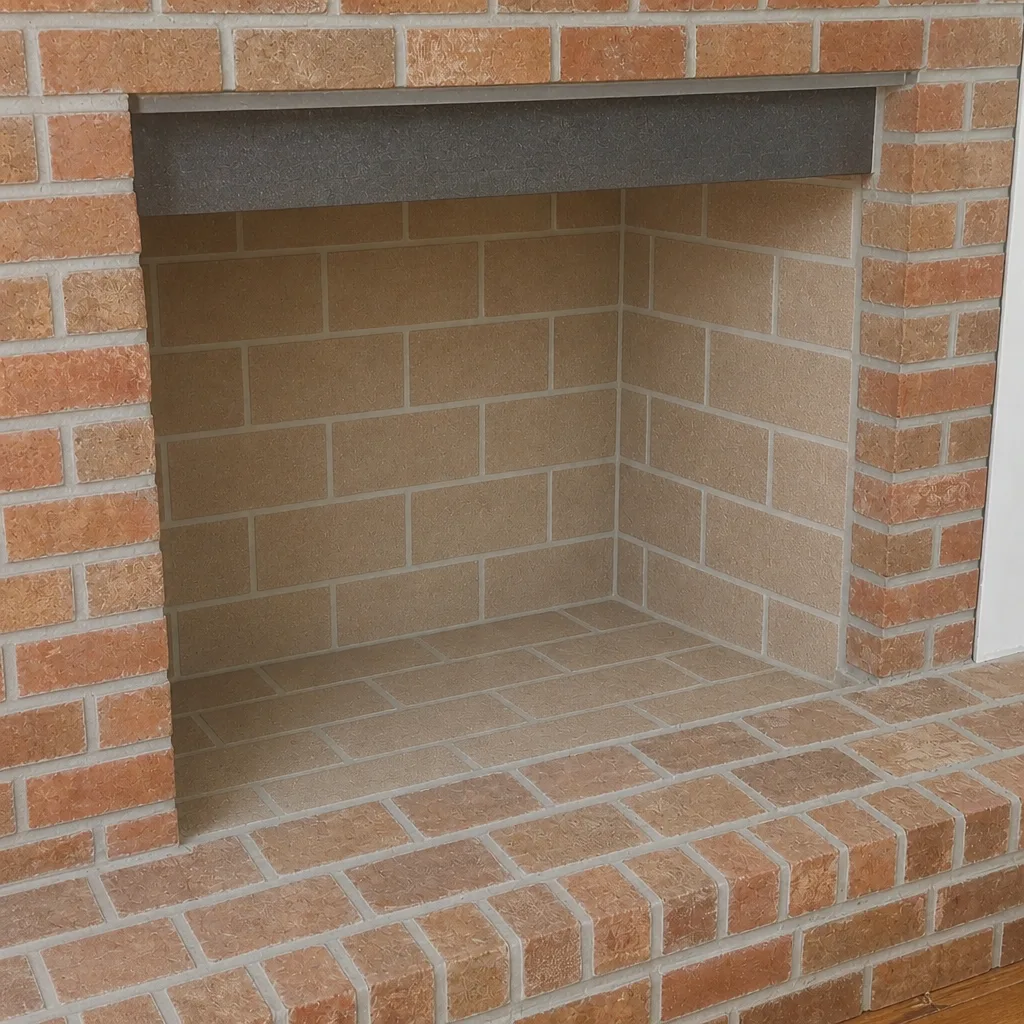
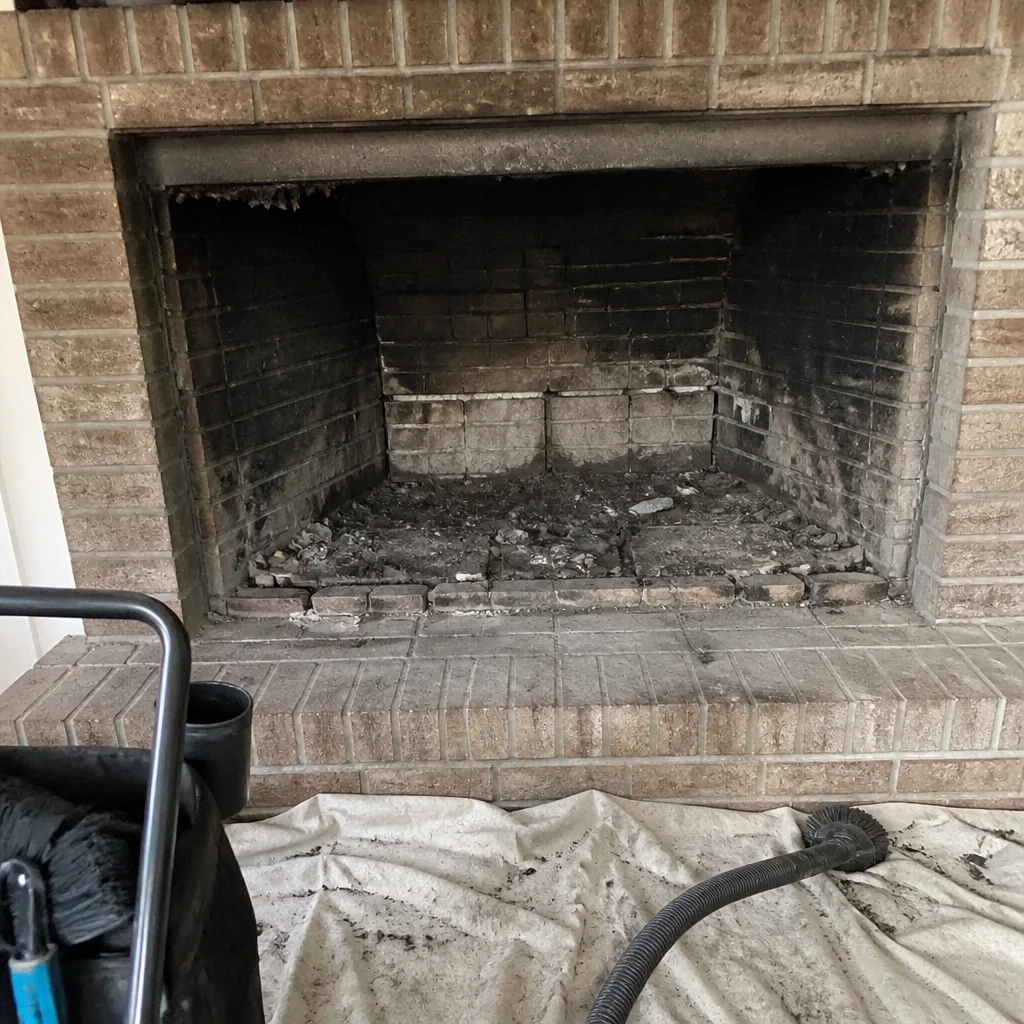
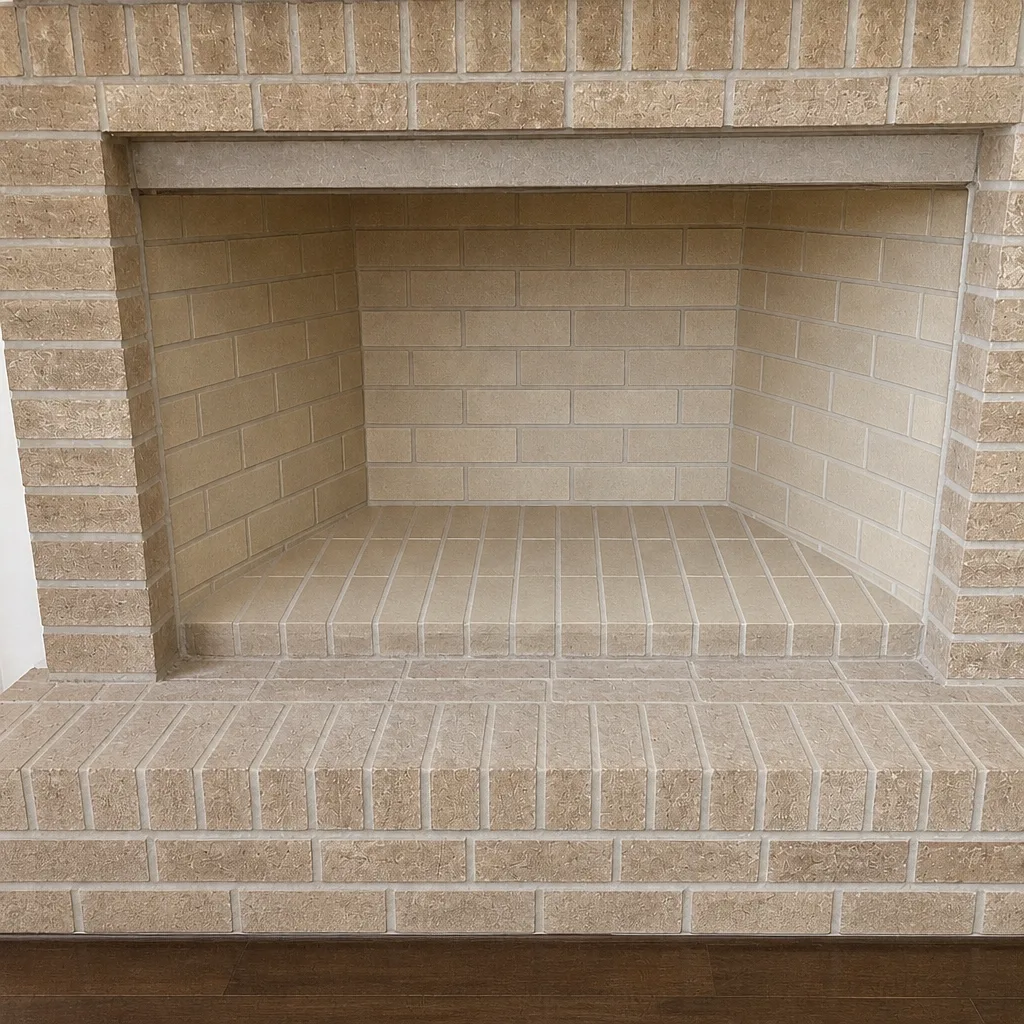
See the difference
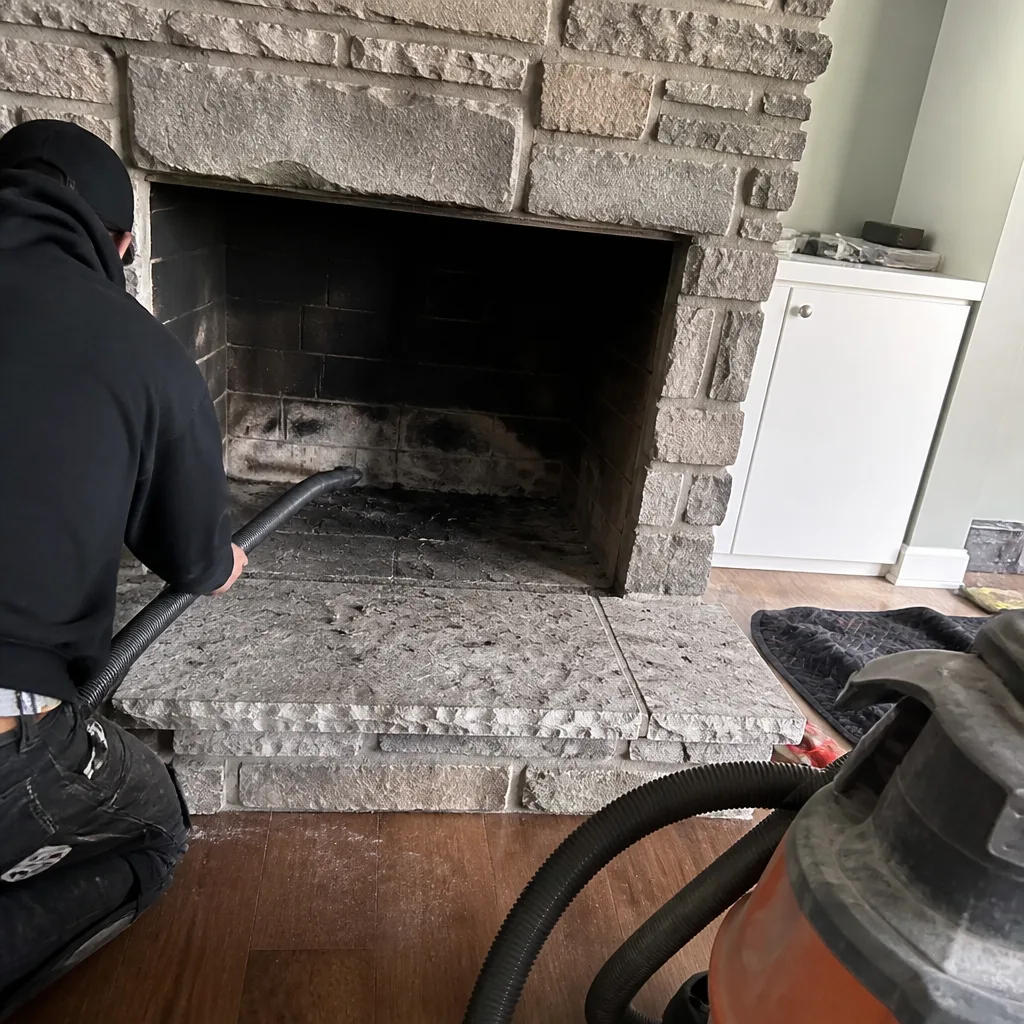 Before
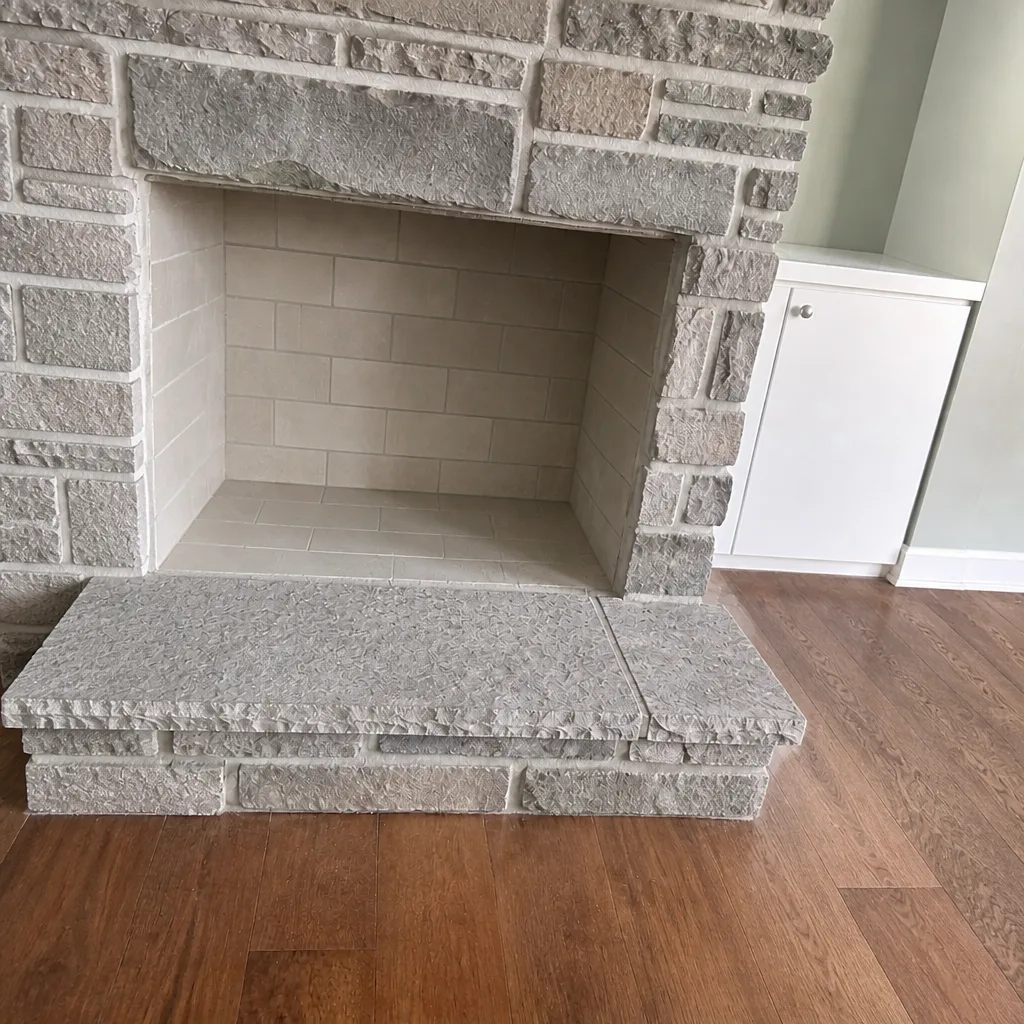 After
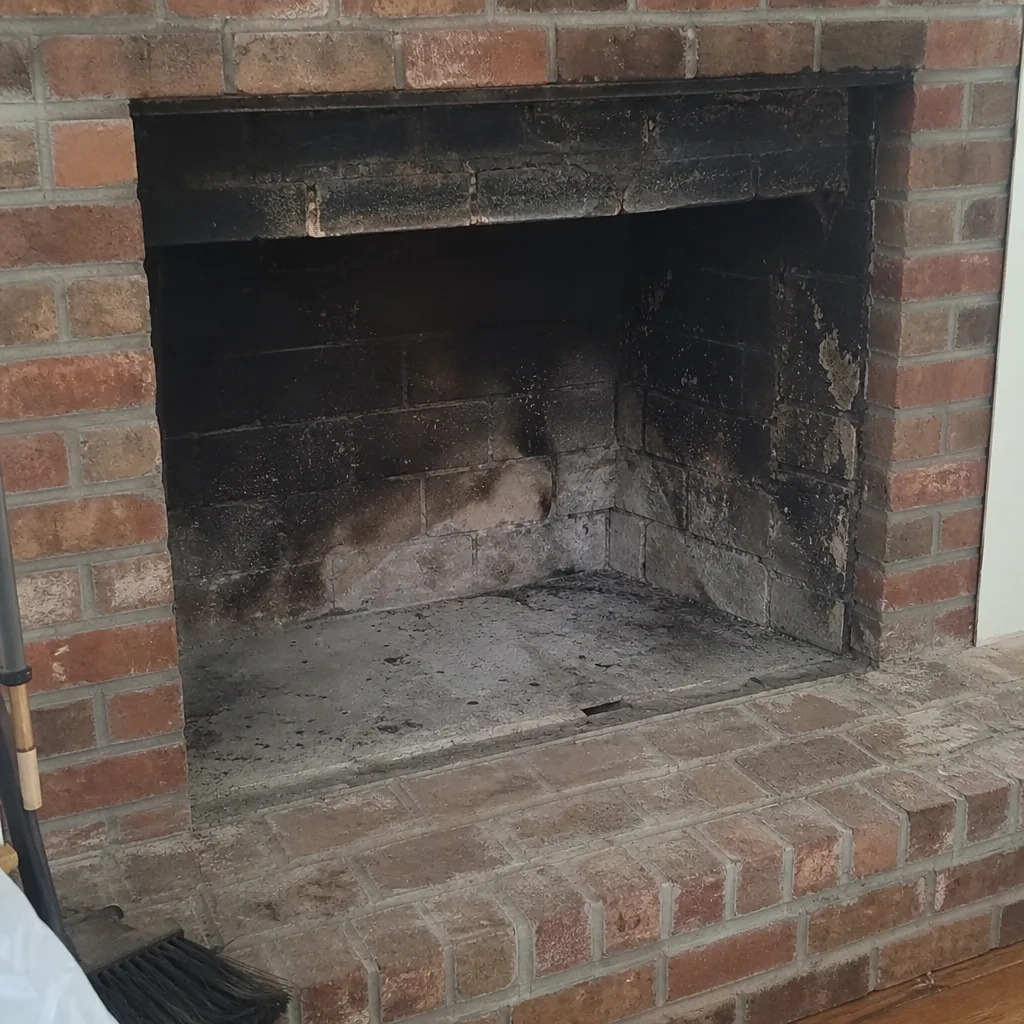 Before
 After
 Before
 After
When to Call a Professional
Some chimney situations need a pro now, and some can wait for the next scheduled visit. The ones that can’t wait: any smell of smoke that shows up when you’re not using the fireplace, a carbon monoxide alarm going off, visible water damage around the flue inside the house, an obvious crack or missing piece of masonry near the roofline, or anything that makes you hesitate before lighting a fire. Call now and let a technician assess it. The ones that can wait: a scheduled cleaning, a spring inspection, a crown that’s showing early wear from last winter. If it’s the latter, book it in the right season rather than the first available slot. Fishers Chimney Sweep offers free estimates in Fishers – call (844) 761-5757. We answer 24/7. Fast dispatch from 7am to 7pm, Sunday through Friday.
Frequently Asked Questions
Most wood-burning chimneys in Fishers should be swept once a year, with a full inspection each time. If you burn regularly, or if the flue is showing a hard, glazed creosote layer, you may need it looked at more often. Gas and fuel-burning appliance chimneys still need an inspection; the schedule depends on the appliance. Call (844) 761-5757 for an exact quote – estimates are free.
Not too late to try, but it’s the worst time to get scheduled. October is the busiest month for chimney sweeps in Fishers, so you’ll usually wait four to six weeks, and the first cold snap often arrives before your appointment. Book by May or June for the best availability.
Only if the liner is actually damaged, and you should be shown the evidence before anyone recommends it. A cracked or gaping clay tile liner is a real problem, but not every liner problem requires a full replacement – in some cases HeatShield resurfacing can restore a deteriorating liner without a full tear-out. Ask for the findings and photos before you agree to anything. Call (844) 761-5757 if you want a second opinion.
The most common cause is a combination of moisture and weak draft. Warm, humid air in summer can let creosote and soot absorb moisture and release odor, while the warm air outside can weaken the chimney’s normal upward draft. A good cleaning, a cap, and fixing any moisture intrusion usually solves it.
Creosote builds up on the flue walls, and the thicker and more glazed it gets, the higher the fire risk. You also lose the chance to catch small problems – a cracked crown, a failing liner, a loose flashing – while they’re still minor. The skipping doesn’t show up as a single dramatic event in most cases; it shows up as repair work you didn’t plan for. Call (844) 761-5757 to get back on a regular schedule.
Yes, to a degree – gas fireplaces don’t create the same kind of creosote as wood, but they still need an inspection and periodic service to check the venting and the appliance connection. We work with both wood and gas setups, so the same company that inspects your wood-burning chimney can look at the gas fireplace too.
Have the chimney swept and inspected, test your smoke and carbon monoxide detectors, and confirm the damper opens and seats properly. If any of that hasn’t been done, call before you light up. Book now – our schedules fill up fast in Fishers.
The Bottom Line
Fishers puts a chimney through real, four-season stress: freeze-thaw cycles from November through March that crack mortar, humid summers that bring out creosote and moisture odors, and a fall that compresses every pre-season chore into a few busy weeks. The fix isn’t more cleaning – it’s better timing. Book your cleaning in late spring, inspect after every winter, and build a rolling two-year cycle that alternates cleaning focus with repair monitoring so problems get caught before they get expensive. If you’re overdue, don’t wait for October. Call (844) 761-5757 for a free estimate, and we’ll help you get on the right schedule for your Fishers chimney.
Written by the team at Fishers Chimney Sweep.