
Last updated November 15, 2026
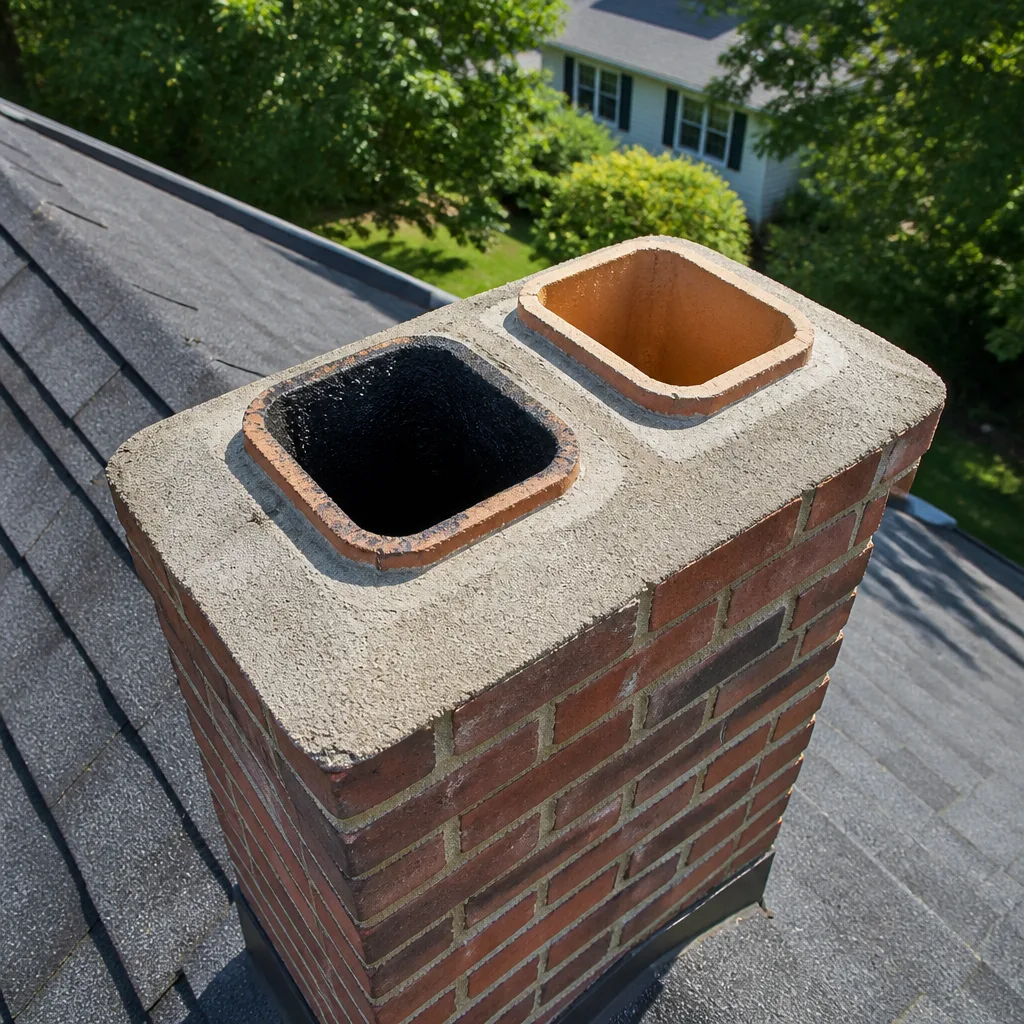 Sweep & inspection
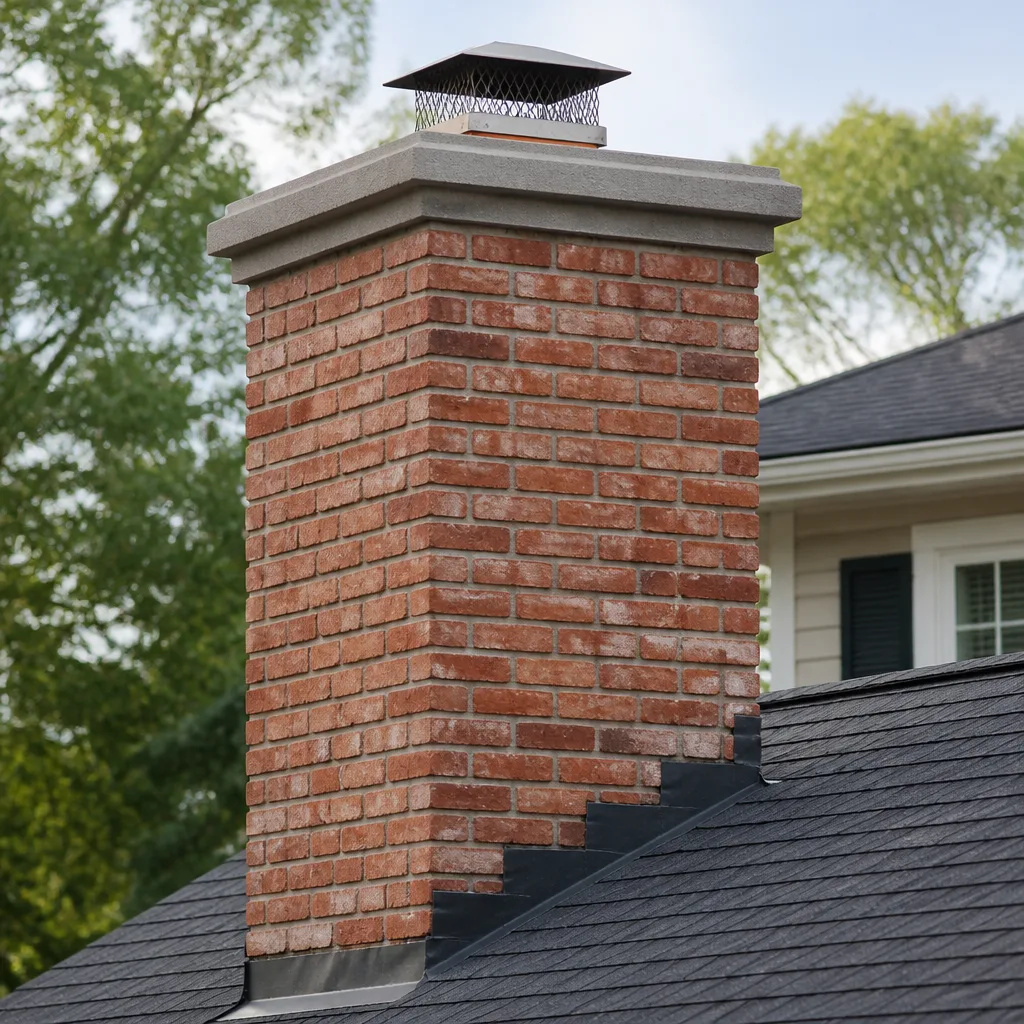 Caps & crowns
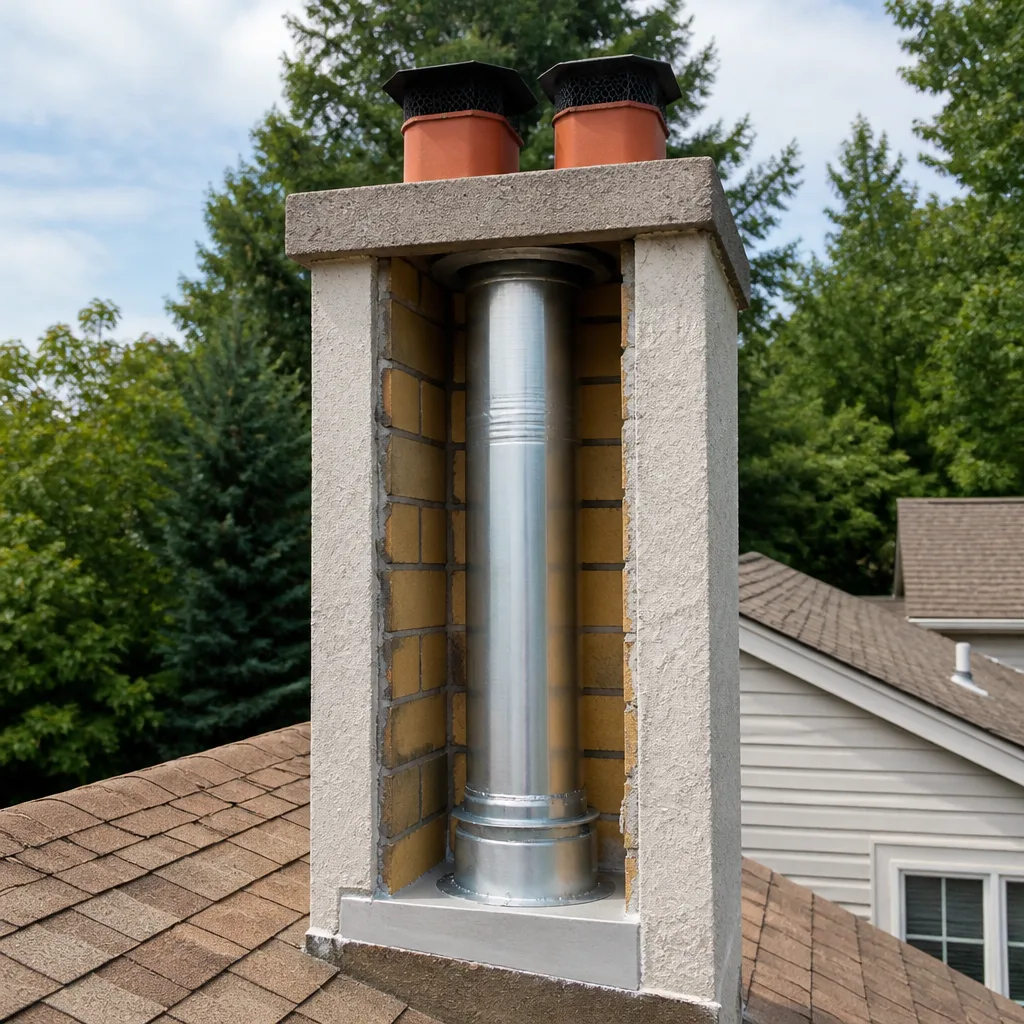 Flue relining
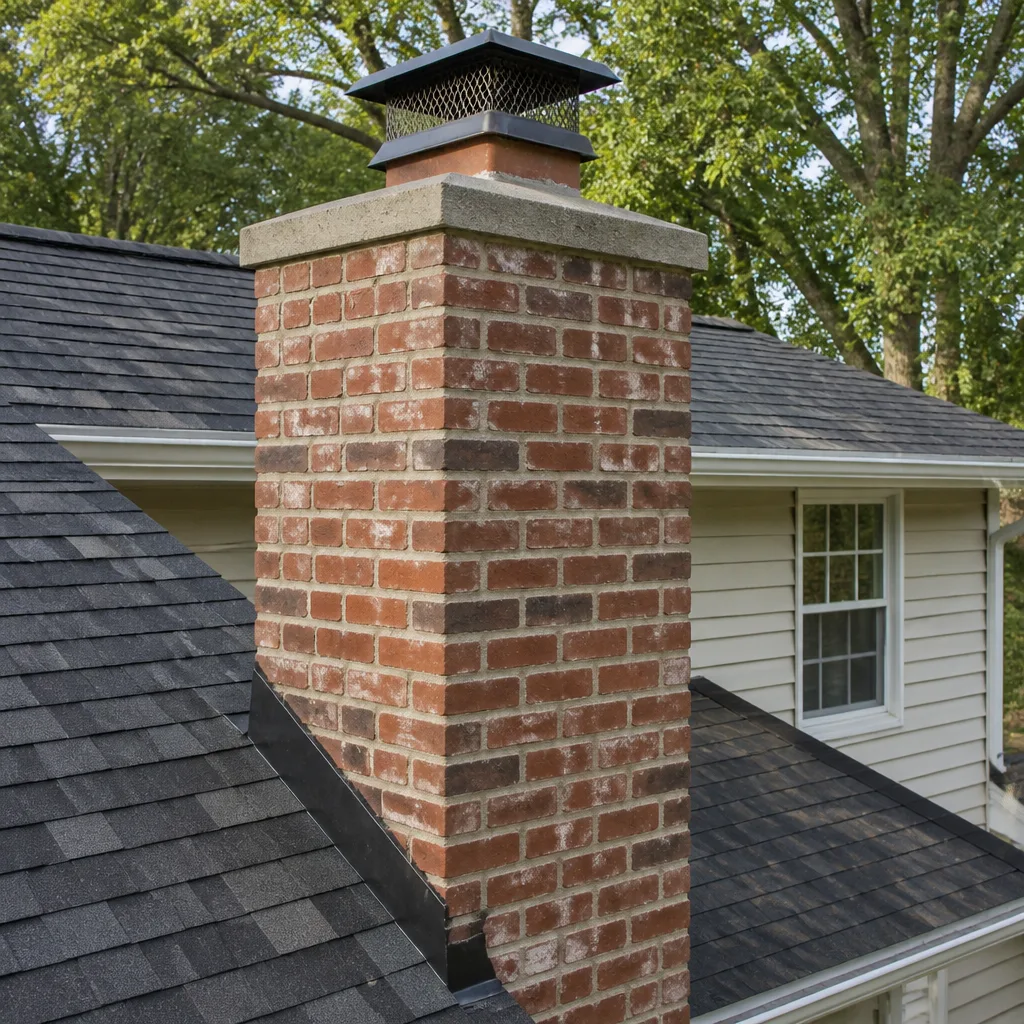 Masonry repair
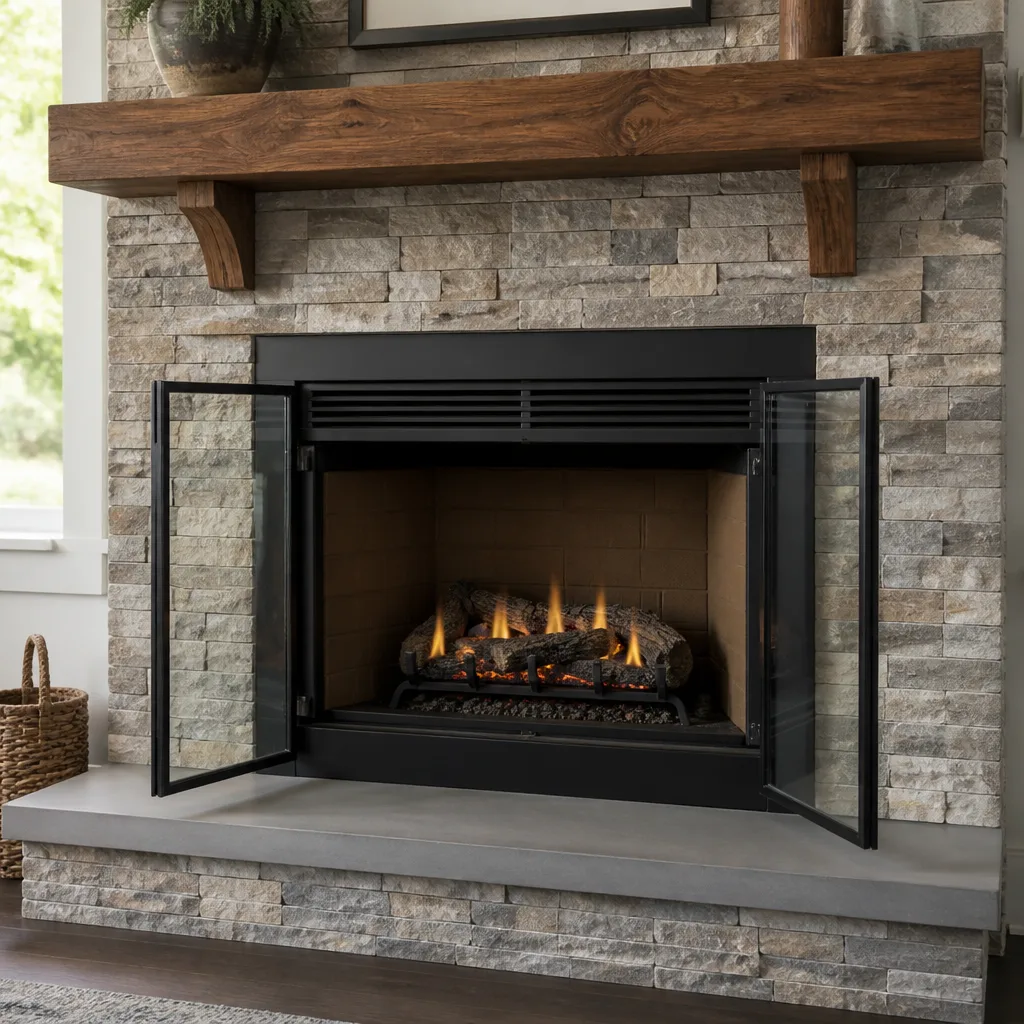 Gas fireplace service
Level 1 sweep and inspection to the NFPA 211 annual standard - flue, crown, cap, and flashing checked and photographed
Chimney sweep logs do not sweep chimneys. They loosen some creosote - which then falls where a brush and vacuum still have to collect it.
Chimney Cleaning Cost Breakdown: The Fishers Homeowner’s Reference for 2026
The $99 chimney cleaning special almost always becomes a $400+ visit once access, inspection, and actual cleaning are itemized – or worse, it stays $99 and skips the steps that justify the service. That gap is the thing most Fishers homeowners never get explained: the spread between a coupon sweep and a professional service isn’t markup, it’s scope. Two quotes can both say “chimney cleaning” and describe completely different work. This reference breaks down what each price tier actually includes, what it leaves out, and what that omission risks. You’ll finish knowing how to read a quote line by line, what drives cost up legitimately, and what to ask before anyone touches your flue in Fishers.
Quick Answer
A standard chimney sweep in Fishers typically runs $150 to $350 depending on flue configuration, access, and creosote stage, with a level 1 inspection usually folded into that price. Add a level 2 camera inspection and you’re generally looking at $200 to $450 combined. Heavy creosote removal, liner resurfacing, or relining pushes a visit into the $600 to $3,500+ range, and those figures should always come from a written, itemized estimate rather than a phone quote.
Styles & brands we work with
- Sweep & inspection
- Caps & crowns
- Flue relining
- Masonry repair
- Gas fireplace service
Table of Contents
- What Actually Drives Chimney Cleaning Cost in Fishers
- The Line-Item Breakdown: Where Every Dollar Goes
- How Creosote Stage Changes the Price
- Add-On Services: Warranted vs. Commonly Upsold
- Fishers Market Rates vs. Indianapolis Metro Averages
- How to Evaluate a Quote Document
- When Work Can Safely Wait (and When It Can’t)
- Common Mistakes to Avoid
What Actually Drives Chimney Cleaning Cost in Fishers
Chimney cleaning isn’t priced by the hour the way most home services are, and that surprises people. It’s priced by scope: the shape of the flue, how much creosote has built up, how hard it is to reach, and how much documentation the job requires. A straight, accessible flue on a modern Fishers home with light soot takes far less time and tooling than a rear-vented fireplace with an offset, a tight damper, or a masonry stack with three decades of glaze on the walls.
Here’s what legitimately moves the number:
- Flue configuration. Straight runs clean fast. Offsets, elbows, and rear-vented appliances need different brushes, rods, and more passes.
- Access. Roof access, damper clearance, and whether the appliance is wood, gas, or another fuel all change setup time.
- Creosote stage. Light soot and glazed creosote are two different jobs with two different tool sets (we cover this in detail below).
- Inspection depth. A visual level 1 inspection is quick. A level 2 camera inspection takes longer and produces a report.
- Documentation. Photo reports, written findings, and camera footage take time to produce and are part of what you’re paying for.
Indiana’s heating season is real, and Fishers homes burn hard from late fall into early spring. That burned volume is what produces the creosote, and it’s why a Fishers flue that skipped a year often needs more than a quick brush. Our technicians have up to 14 years of experience reading exactly this: how much a given flue has accumulated and what it will take to clear it safely. If you’re still deciding whether to book at all, the chimney sweep page covers what a visit actually involves.
The Line-Item Breakdown: Where Every Dollar Goes
A professional chimney quote should be itemized, and each line should map to a real task. Here’s what a complete sweep-and-inspect estimate contains, what each line typically costs, and what it’s actually paying for.
Inspection
A visual level 1 inspection is usually folded into the sweep price when it’s done at the same visit; standalone it typically runs $75 to $150. A level 2 camera inspection, which is what you want whenever there’s been a change to the system or a suspected problem, generally adds $100 to $250. The inspection is not a sales funnel. It’s the diagnostic that tells everyone what the flue actually looks like inside, and its findings should feed directly into any repair recommendation.
Cleaning labor
This is the core of the ticket, typically $100 to $250 for a standard sweep. It covers the technician’s time, the brushes and rods, drop cloths and containment, and the passes needed to clear the flue properly for the creosote stage involved.
Disposal
Soot and creosote have to go somewhere, and disposal is a small but real line, usually $20 to $50. Its absence from a quote isn’t automatically a red flag, but its presence tells you the provider is accounting for the full job.
Documentation
Camera footage and a written photo report are the difference between “trust us” and “here’s what we found.” When documentation is included, expect it reflected in the inspection line. When it’s missing entirely, you have no record of the flue’s condition before or after work, and that matters for your own records and for any future repair conversation.
A transparent estimate shows these as separate, readable items. A single “chimney cleaning: $99” line with nothing underneath tells you almost nothing about what’s included. When you’re ready to see how this looks on paper for your own home, we’re glad to walk through it; the Fishers Chimney Sweep team builds every estimate this way.
How Creosote Stage Changes the Price
Creosote is the single biggest variable in chimney cleaning cost, and it’s the thing a coupon price never accounts for. It forms in three broadly recognized stages, and each one demands different tools, time, and sometimes chemical treatment. This is why a flue that cleaned up for $150 last time can legitimately cost three or four times that now.
Stage 1: light soot and flaky deposit
The easiest and cheapest to remove. Standard brushes clear it in a normal sweep. If your flue is here, you’re in the low end of the range and the job is quick.
Stage 2: hardened, crusty deposit
Brushes and rods still remove it, but it takes more passes and more time. The price climbs because the labor does.
Stage 3: glazed, tar-like deposit
This is the hard one. Glazed creosote bonds to the flue wall and won’t come off with brushing alone. Removing it typically requires specialized rotary tooling and sometimes a chemical treatment to soften the glaze before it can be scraped back. This is where a sweep turns into a restoration job, and where prices move into the high hundreds or beyond. It’s also the stage most associated with chimney fire risk, and the reason we recommend addressing it before the next heating season rather than during it.
What we won’t do is guess. Before anyone quotes a stage 3 job, someone should have looked at the flue with a camera and shown you the footage. Our inspections are built to do exactly that, and the findings connect directly to repair work we can execute, using professional-grade materials from manufacturers like DuraFlex when relining is the answer. The full scope of repair work is covered on our chimney repair page.
Add-On Services: Warranted vs. Commonly Upsold
Add-on recommendations are where honest pricing and hard selling split apart. Some add-ons are genuinely necessary given what the inspection found. Others get attached to every ticket regardless of evidence. Here’s how to tell the difference.
Genuinely warranted, based on findings:
- Liner resurfacing or relining when the camera shows cracks, gaps, or deterioration in the flue lining. HeatShield resurfacing can restore a deteriorating liner without a full tear-out in the right conditions, which is often less expensive than full replacement and is work many chimney companies can’t offer.
- Cap and crown repair when the inspection shows water intrusion, a cracked crown, or a missing cap that’s letting debris and animals in.
- Damper or smoke chamber work when the inspection shows it’s affecting draft or safety.
- A level 2 camera inspection when there’s no record of one, or when the system has changed or been through a chimney fire or major storm.
Commonly upsold, ask for evidence:
- Chemical treatments presented before anyone has confirmed glazed creosote with a camera.
- Full liner replacement recommended when resurfacing would solve the problem. Ask why resurfacing isn’t an option.
- “System packages” that bundle services your inspection didn’t call for.
The rule is simple: nothing should be recommended without camera evidence you can see for yourself. If a provider can’t or won’t show you the footage behind a recommendation, that’s your answer. Flexible relining with systems like DuraFlex, and resurfacing with HeatShield, are things we handle directly rather than farming out, which keeps the diagnostic and the repair under one roof and accountable to the same findings.
Fishers Market Rates vs. Indianapolis Metro Averages
Fishers pricing sits slightly above the broader Indianapolis metro average, and there are good reasons for it that have nothing to do with markup. The metro-wide average for a standard sweep lands roughly in the $125 to $300 band; Fishers tends to run $150 to $350 for the same nominal service. The difference comes down to housing stock, travel, scheduling density, and the fact that a dedicated specialist operating in one area carries different overhead than a franchise routing trucks across a wide metro.
Why Fishers specialist pricing differs from franchise pricing
- Scope, not speed. A franchise model often prices for volume and routes many short visits. A chimney-only specialist prices for the full cycle: sweep, inspect, and repair capability behind it.
- Housing stock. Fishers has a mix of newer construction and established masonry fireplaces, and both configurations show up on the same street. That range means a quote has to account for the actual flue, not an average.
- Repair capability. A provider who can only sweep has to hand off liner and resurfacing work, which adds a second trip and a second markup. One company doing the full cycle removes that step.
- Documentation. Camera inspection and photo reports are more common among specialists, and they cost something to produce.
None of this argues that the highest quote is automatically the right one. It argues that a Fishers homeowner comparing a $99 franchise coupon to a $250 specialist quote needs to compare what each actually includes. Same city, same Fishers market, very different scope. Our technicians have up to 14 years of experience and we work with brands chimney professionals nationwide rely on, including Olympia Chimney and Famco, because the materials behind a repair matter as much as the labor.
How to Evaluate a Quote Document
A quote is a document, and it either holds up to reading or it doesn’t. Before you book, run through this checklist. If a quote fails several of these, it’s a sign the work behind it may be incomplete too.
- Does it itemize inspection, cleaning, disposal, and documentation separately? Combined lines hide what’s actually happening.
- Does it state the inspection level (1 or 2) and whether a camera is used? “Inspection included” without a level is vague.
- Does it name the creosote stage or describe what was found? A quote written before anyone looked at the flue is a guess.
- Does it separate recommended repairs from the base service? Repairs should stand as their own line, tied to a specific finding.
- Does it include a written estimate that sets the final price? Verbal quotes drift. Written estimates don’t.
- Does it say what happens if the scope changes mid-job? A well-run provider stops and re-quotes before doing extra work, not after.
When a quote is missing inspection detail, missing creosote findings, and missing documentation entirely, those absences signal the same thing: the work behind the number may be as thin as the paper it’s printed on. A complete quote answers all six questions above without you having to ask. That’s the standard we hold our own estimates to.
When Work Can Safely Wait (and When It Can’t)
The honest answer to “do I need this now” is sometimes no. Not every finding is urgent, and a good provider will tell you plainly when work can safely wait. The hesitation most homeowners carry is being told they need thousands of dollars of liner or masonry work they have no way to verify. That hesitation is reasonable, and it’s why nothing should be recommended without camera evidence you can see for yourself.
Work that can generally wait, with monitoring:
- Minor surface soot that’s not yet at a stage requiring chemical treatment.
- Cosmetic crown wear with no active water intrusion.
- A cap that’s intact but showing early wear.
Work that shouldn’t wait:
- Glazed stage 3 creosote, which raises chimney fire risk and gets worse with every burn.
- Cracked or deteriorated flue lining, which can let heat and combustion gases reach areas they shouldn’t.
- Any finding tied to carbon monoxide risk or blocked draft.
Safety is the reason to act, but scare-selling isn’t how we operate. If your chimney can wait, we’ll say so. When it can’t, we’ll show you why with the footage in front of you. And when heavy diagnostic or repair work is genuinely needed, that’s a specialist’s job, not something to work around. If you’d rather handle this before the next heating season starts, that’s the right timing, and it’s a conversation worth having early.
Common Mistakes to Avoid
- Booking the $99 coupon without asking what it includes. That price rarely covers access, inspection depth, or heavy creosote. Ask what happens if the flue turns out to be dirtier than the coupon assumes.
- Accepting a recommendation with no camera evidence. If someone tells you the liner needs replacing, ask to see the footage. A specialist will show you without hesitation.
- Comparing quotes without comparing scope. A $150 sweep and a $150 sweep can be entirely different jobs. Line items up side by side before deciding.
- Skipping the sweep because the fireplace “looked fine” last year. Creosote builds quietly, and a flue can look clean at the firebox while the upper flue is not. Fishers burns enough wood in a season that a skipped year adds up.
- Letting a generalist handle liner and flue work. Sweeping, inspection, and repair are a single continuous job. When they’re split among providers, findings get lost between them.
- Not asking when work can wait. A provider who tells you everything is urgent and nothing can wait is telling you about their sales style, not your chimney.
- Ignoring a cracked crown or missing cap over the warmer months. Water and animals get in while the fireplace sits idle, and the repair gets larger by the time you notice.
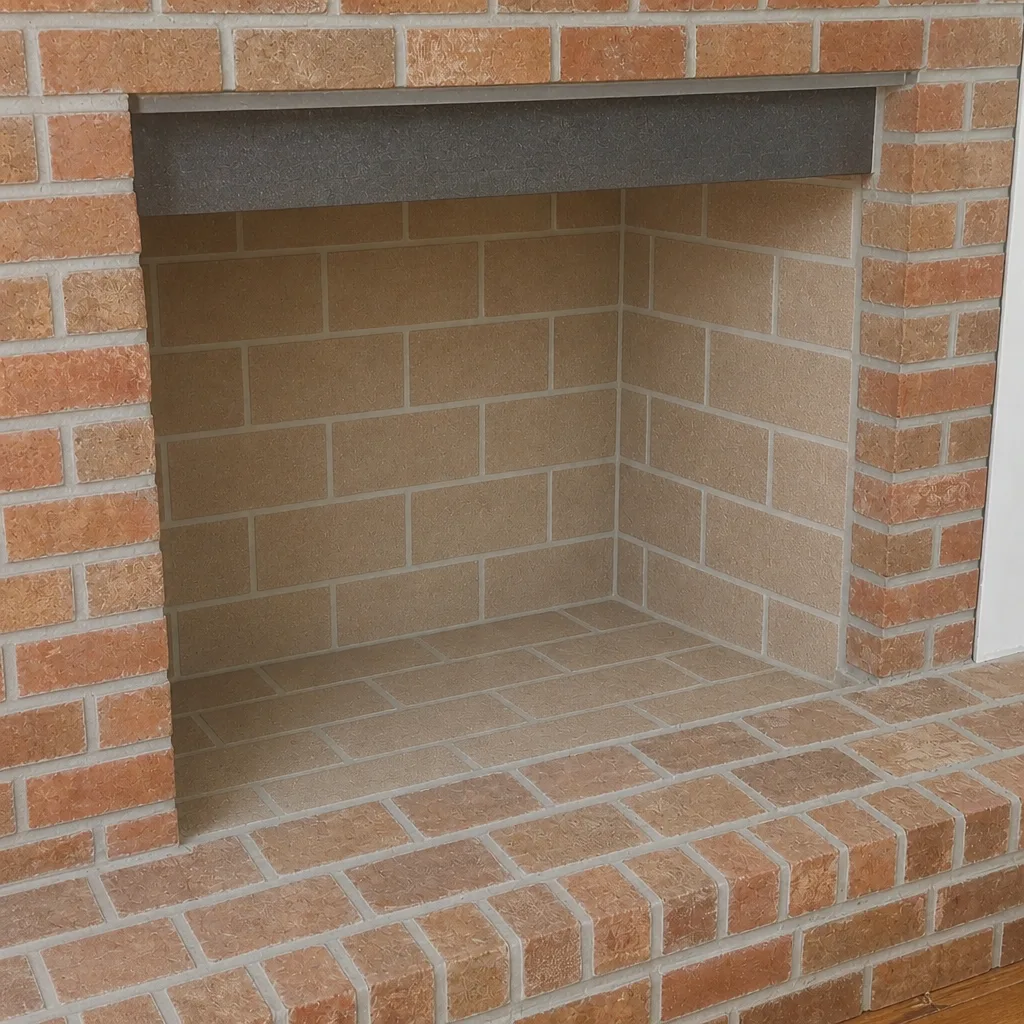
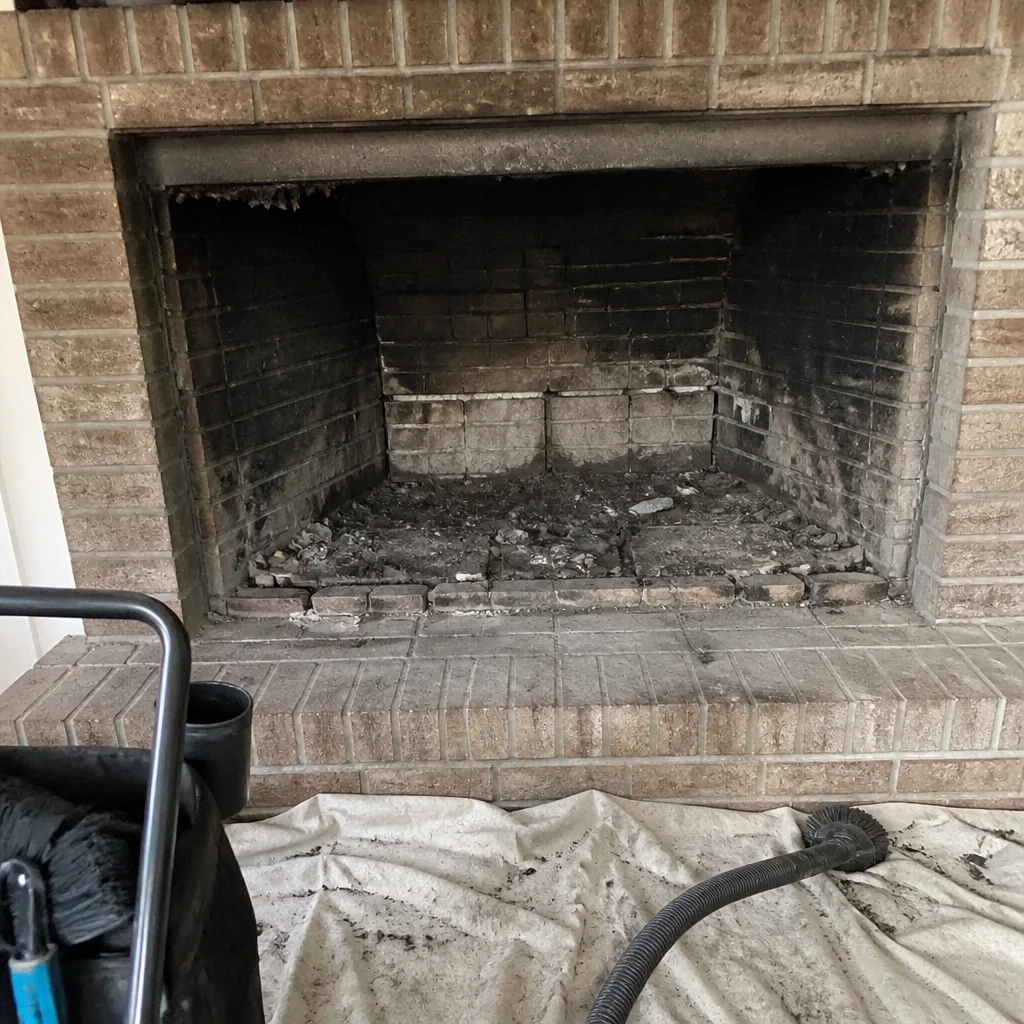
See the difference
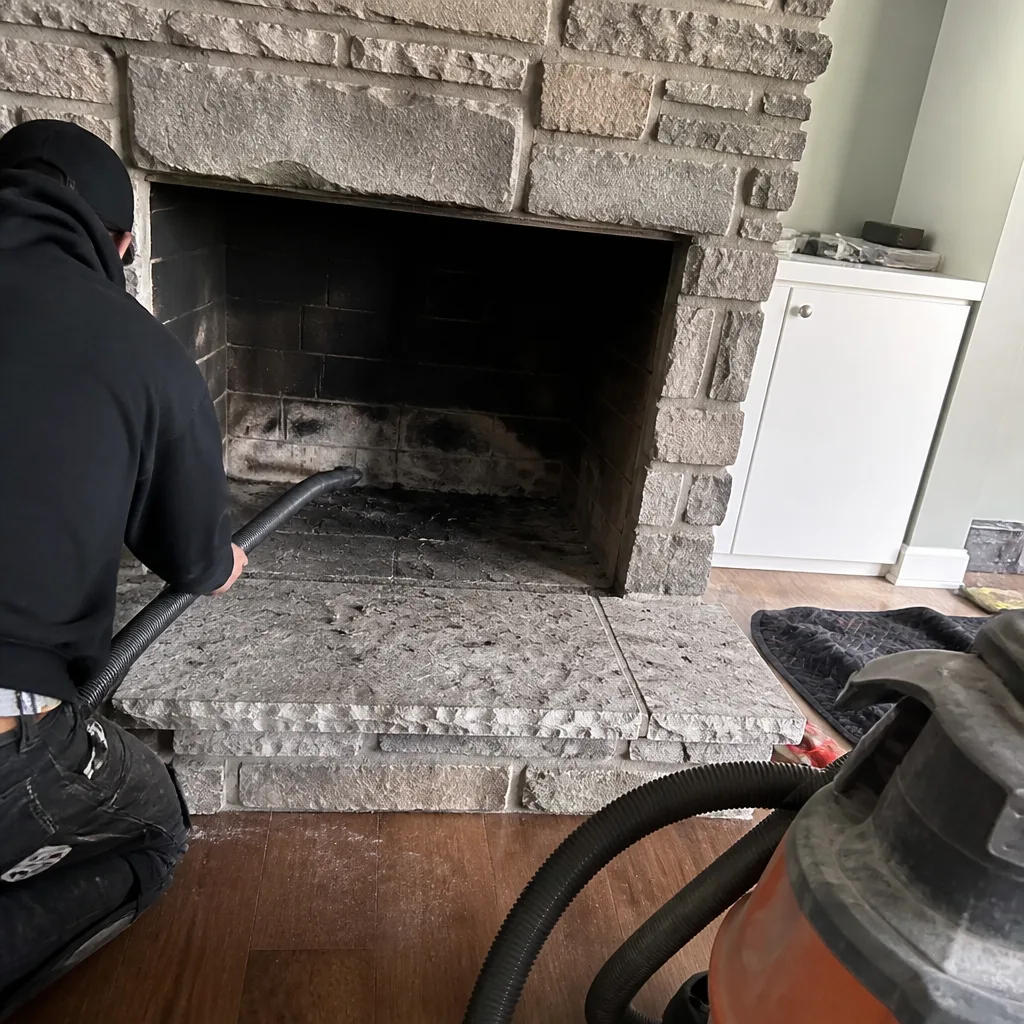 Before
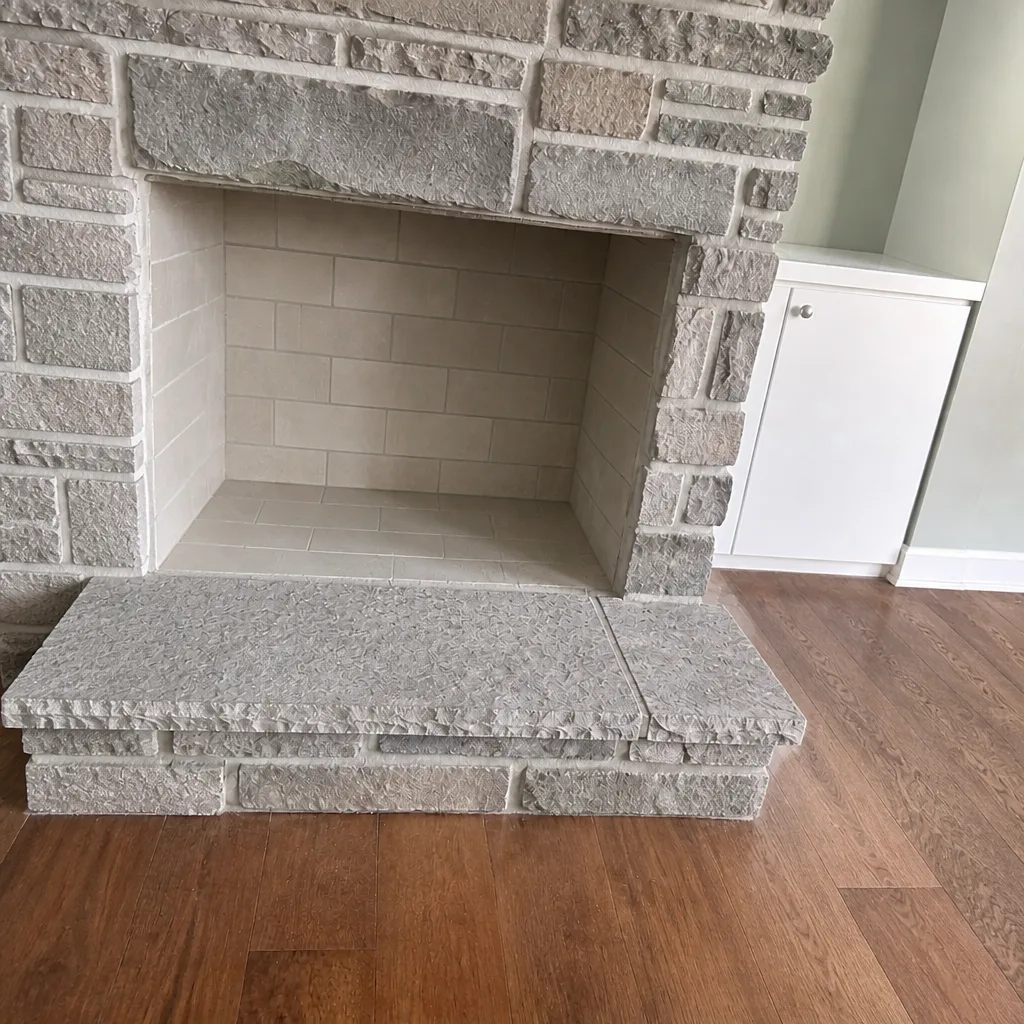 After
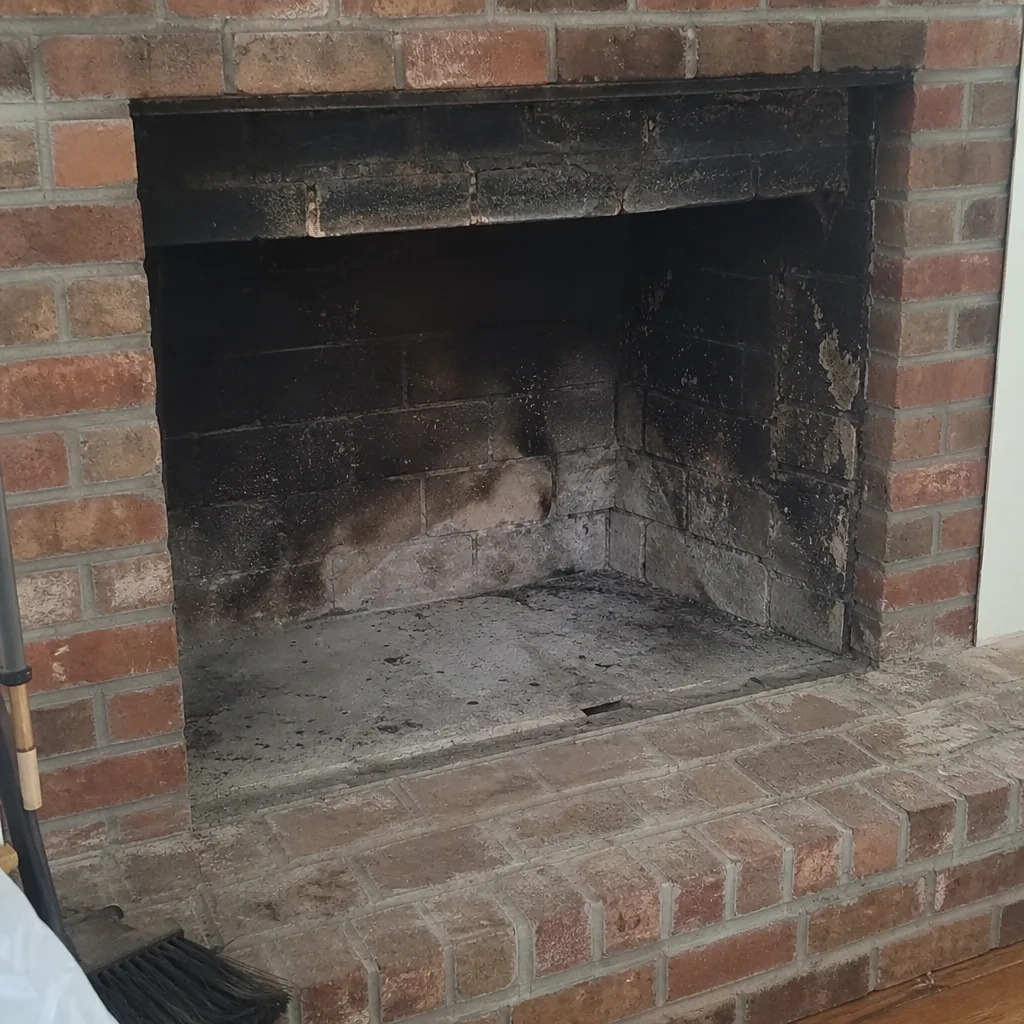 Before
 After
 Before
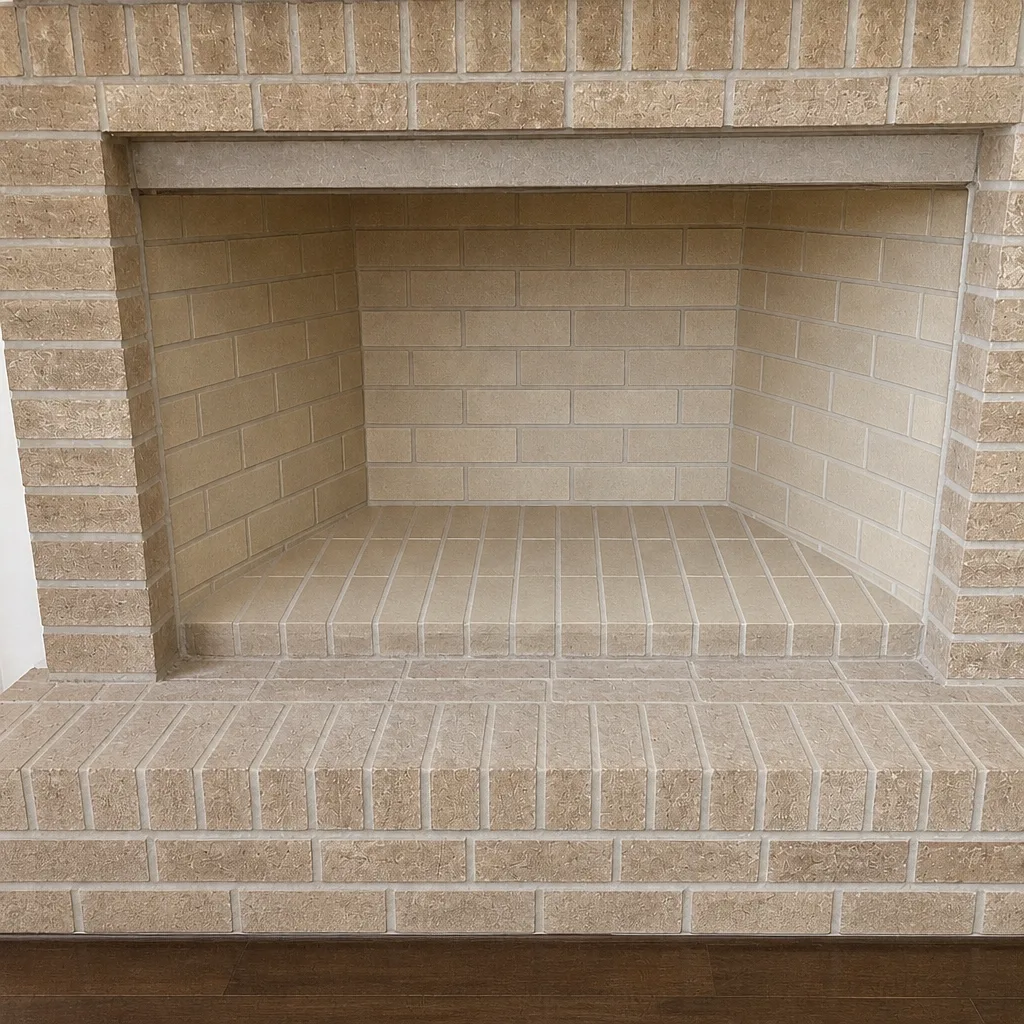 After
When to Call a Professional
Call when you don’t have a record of the flue being inspected, when the fireplace has been used heavily for a season without a sweep, or when you’ve noticed anything that suggests a draft or venting problem. Call before your first burn of the season if the chimney hasn’t been looked at recently, and call right away if you suspect glazed creosote, a damaged liner, or a chimney fire has occurred. Call if a previous provider recommended liner or masonry work and you couldn’t verify it, because a camera inspection should answer that question directly. And call if you’re simply unsure whether the work can wait, because a specialist will tell you honestly either way. Fishers Chimney Sweep offers free estimates in Fishers – call (844) 761-5757. We answer 24/7. Fast dispatch from 7am to 7pm, Sunday through Friday.
Frequently Asked Questions
A standard chimney sweep in Fishers typically runs $150 to $350 depending on flue configuration, access, and creosote stage, with a level 1 inspection usually included in that price. A level 2 camera inspection generally brings the combined cost to $200 to $450. The written estimate sets the final price. Call (844) 761-5757 for an exact quote – estimates are free.
Only if the inspection shows a genuine problem, and you should be able to see the camera footage that proves it. Cracked or deteriorated linings do need attention, but HeatShield resurfacing can restore a deteriorating flue without a full tear-out in the right conditions, so a full liner replacement isn’t always the answer. Ask why resurfacing isn’t an option before accepting a replacement quote. Call (844) 761-5757 to have the flue inspected and shown to you directly.
Once a year is the standard guidance for a wood-burning fireplace in regular use, and more often if you burn heavily or notice buildup. Fishers’ long heating season means a flue can accumulate meaningful creosote within a single winter. If it’s been more than a year, book a sweep before the next season. Call (844) 761-5757 for a free estimate.
Creosote keeps building, and at stage 3 it glazes onto the flue wall where brushing won’t remove it, which raises chimney fire risk and makes the eventual job more expensive. Skipped sweeps also let small liner and crown problems go unnoticed until they’re larger repairs. The risk isn’t immediate, but it compounds with every season. Call (844) 761-5757 and we’ll tell you honestly where your flue stands.
Fishers pricing typically runs a bit above the broader metro average because of housing stock variety, travel and scheduling density, and the cost of producing camera documentation and carrying repair capability in-house. It reflects scope, not markup. Compare line items side by side rather than the bottom number. Call (844) 761-5757 to see a fully itemized estimate for your home.
Often, yes, when the repair is straightforward and the findings are confirmed during the inspection portion of the same visit. Larger jobs like full relining may need a scheduled follow-up, and the estimate will spell out the timeline. What stays constant is that inspection findings drive the repair plan directly. Call (844) 761-5757 to book a sweep and inspection together.
The Bottom Line
The difference between a $99 coupon and a $350 professional sweep is scope, and this guide has laid that scope out line by line: inspection depth, cleaning labor, disposal, documentation, and the creosote stage that determines how much work is really involved. Add-ons are warranted only when camera evidence supports them, and repairs should connect to findings you can see for yourself. Fishers pricing sits slightly above the Indianapolis metro average for reasons that hold up to scrutiny, and a well-written quote makes all of it visible. Know what’s inside your chimney before winter, and ask for the estimate in writing.
If you’d like a free, itemized estimate built on an actual inspection rather than a phone guess, call (844) 761-5757. We answer 24/7. Fast dispatch from 7am to 7pm, Sunday through Friday.
Written by the team at Fishers Chimney Sweep.